
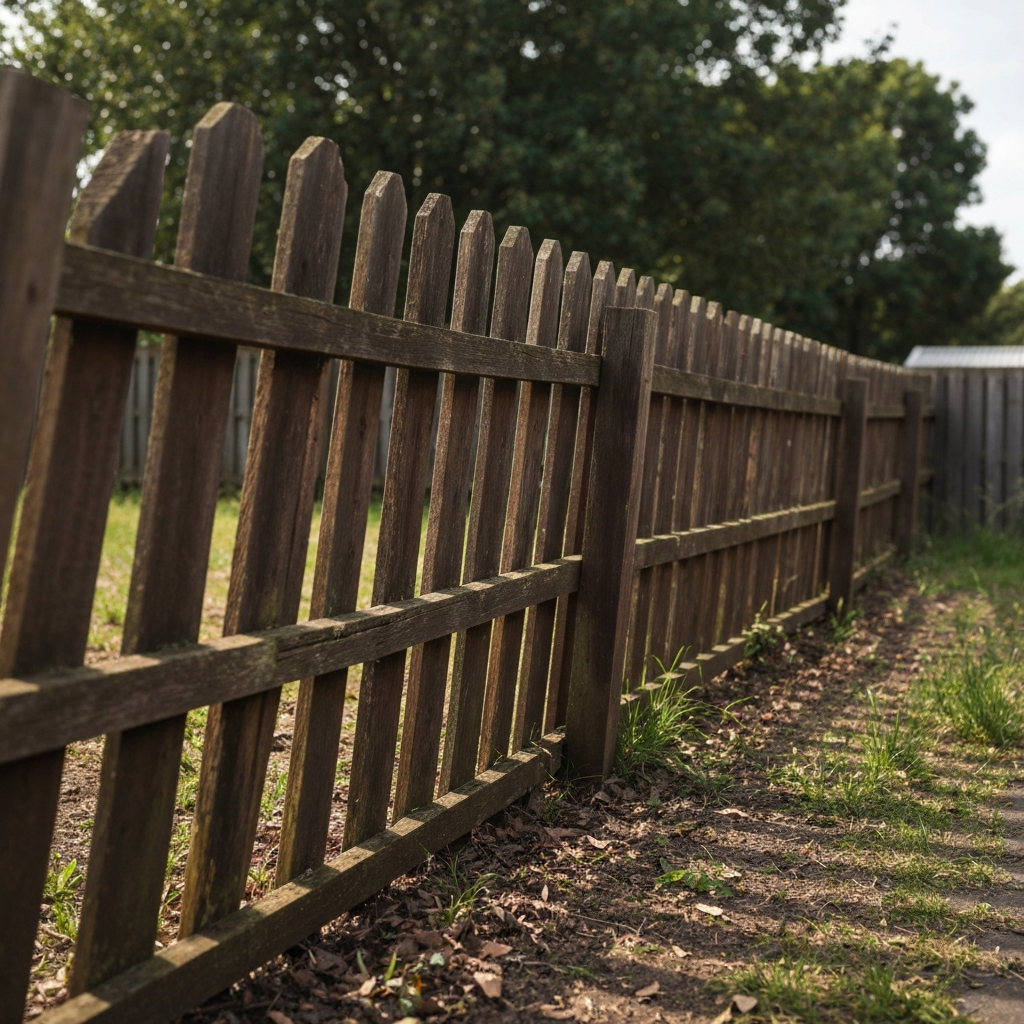
Just How Weather Condition Impacts Fencing Installment High Quality
Fence setup looks simple when you're viewing it from the footpath. A few articles, some rails, panels that secure into place, and suddenly the boundary looks finished. After that the weather condition shows up.
Wind, rainfall, warmth, humidity, frost, and even the means the sunlight bakes a surface can silently decide whether a fencing really feels solid in a year or begins to sag, spin, or stop working at the fasteners. In my experience functioning together with Fence contractors and Fence company teams, the difference in between a fencing that holds its line and one that requires attention is often not the materials. It's the timing, the website preparation, and the installer's judgement in actual weather.
This is a useful guide to exactly how climate influences fencing setup quality, what it indicates for Fence installer selections, and the smart actions Fencing contractors Melbourne teams take when problems change.
Why weather condition affects fencings more than most people expect
A fencing is not simply a barrier. It's an engineered system of loads, movement, and add-on points. Posts take flexing. Rails take stress and compression. Panels act like sails in wind. Concrete and dirt supply the stiffness at the base. Wood and metal broaden and agreement with temperature level and wetness. Also the "simple" part, like lining up messages, is sensitive to ground conditions.
When weather condition changes during setup, three things have a tendency to occur:
First, the structure can alter faster than the installer can react. Wet soil compacts in different ways, and dry dirt can be too loose to hold limited article positioning. Second, materials behave in a different way as they splash, cozy, or freeze. Third, teams lose control of timing. If the timetable slips due to rain or high winds, the fencing can be finished in problems that make later activity extra likely.
I have actually seen fencings set up in excellent product bundles go wrong since the job occurred in the incorrect window. Not dramatically wrong like "panels falling down overnight," but progressively incorrect. That gradual drift is usually exactly how climate shows up.
Rain: the silent quality awesome for foundations and bases
Rain is usually dealt with as a nuisance, something teams can "press via" with additional treatment. In some cases that holds true for surface job, however foundations are the component that obtains the most sensitive.
Wet soil changes how messages behave
When the ground is saturated, message openings can end up being unpredictable, particularly in clay or mixed dirts that sag when disturbed. The concrete may be put right into an opening that later on collapses slightly. Even a small adjustment at the base can cause visible leaning, particularly with tall paling fences or gates.
In sensible terms, if an opening is rinsed or partly replenished with waterlogged dirt, the blog post ends up in a foundation that is less uniform. Harmony matters. It's not regarding "toughness" alone, it has to do with consistency around the post.
Concrete treating relies on temperature and moisture
Rain influences concrete treating by changing the water content at the surface area and by keeping the foundation also wet for also long. Concrete sets with chain reaction, and those responses still require suitable conditions to get to the stamina you expect.
If it's drizzling progressively, installers may wind up adding cover prematurely or leaving surfaces exposed in a manner that deteriorates the completed face. On the other hand, pouring right into heavy rain without appropriate set-up is likewise a trouble since you can get a watery mix at the edge of the article surround.
Good Fencing installers manage this by tracking conditions and protecting the put. They'll additionally speak with you truthfully when the weather condition is most likely to postpone cure time.
Slippery ground and alignment errors
Rain is also a placement problem. Blog posts and rails require tidy measurement and secure ground. When the ground is glossy, tiny missteps can equate right into uneven post lines. A fencing may look right on the day, yet if messages were set a little off, panels will pull versus that countered later.
If you've ever before seen a team utilizing a laser level or string line, you'll see how frequently they stop, examine, and change. In rainfall, that careful rhythm is harder to maintain, so quality relies on staff experience and pacing.
Wind: not almost safety and security, it has to do with the physics of installation
Wind is where fencings can obtain actually tricky. People typically believe wind only matters throughout panel taking care of. Actually, wind affects article security while the holes are open, while rails are being connected, and after the work is partly complete.
Partial fences end up being huge wind loads
A fencing unfinished is like a framework with missing tightness. Panels aren't yet secured into the full system, so the fence can behave like a sail. When a team is attaching rails to freestanding messages, wind can press the framework and force motion before the connections set.
If wind is strong enough, also briefly, it can twist messages by a percentage. That spin may be subtle initially, however it ends up being noticeable once the panels are completely taken care of and the system is filled in several directions.
Fasteners and rail straightness
In gusty problems, it's more difficult to maintain rails aligned and completely seated. A rail that is slightly off can trigger voids or unequal spacing. Those spaces are often criticized on "panel variation," however the reality frequents the straightness of the line at the time of fixing.
Wind also makes it more difficult to deal with lengthy materials safely. Teams could transform their arrangement to decrease threat, and those modifications can alter how properly the rail is held while fastening.
The sensible reasoning point
A good Fence company doesn't go after "good enough" end results in high wind. Rather, they change the timetable or sequence. They could establish blog posts, allow them secure, and return for panel installment when conditions are calmer.
That decision is part of high quality. A fence contractor's task is not only to install. It's to install in a way that prepares for movement.
Heat and sun: products increase, work reduces, and finishes can misbehave
Heat has a dual impact. It alters exactly how materials behave, and it alters how much time it considers work to be done properly.
Timber and coated metals respond to temperature level and drying
With lumber, extreme warm speeds up drying. That can affect any type of pre-treatment or adhesives utilized. With steel components, heat can transform the way coatings treatment and exactly how surface areas bond if you're making use of details fixings.
Metal can likewise increase, and after that contract as the day cools. If rails are repaired at height temperature level and the system loosens up later, it can create tension on fasteners. In time, that stress and anxiety can contribute to loosening up or misalignment.
For powder-coated or galvanised elements, the finish resilience is typically great when set up appropriately. The threat is much less about the coating "melting" and much more regarding workmanship under thermal stress and anxiety: warped rails, hurried positionings, and correctings driven in a manner in which later permits movement.
Concrete positioning in hot weather
Concrete in warm problems can set quicker at the surface area. That means installers have much less time to control placement. If the job is rushed since the team is attempting to complete prior to the day ends, you can wind up with foundation locations that don't combine properly or with minor article movement prior to the concrete locks in.
In scorching weather condition, high quality comes to be about pacing. The very best groups reduce sufficient to maintain dimension limited and to allow proper completing and curing.
Worker tiredness shows up in the fence line
Heat influences people. Tiredness changes stance, hold, and decision-making. I've seen it: when a crew is worn out, they inspect alignment much less typically, and that's where uneven lines begin. Weather doesn't just alter products. It changes the installer's performance.
Humidity and recurring dampness: the rust and rot timeline
Humidity is not constantly dramatic like rain or wind, however it matters because wetness sticks around in moist problems and in shaded areas.
Metal rust at fixings
Fence installments rely on a great deal of tiny user interfaces: screw heads, brackets, rail links, and signs up with where layer sides can be prone. In humid settings, moisture can rest against those user interfaces. If galvanised or coated parts are reduced, pierced, or otherwise breached without appropriate deterioration defense, you can set up a long-lasting problem.
This is one reason lots of fencing contractors Melbourne teams respect just how parts are taken care of and where they pierce openings. It's also why installers that do top quality job frequently take added care with touch-ups and appropriate repairings rather than making use of whatever is at hand.
Timber rot risk in shaded, wet spots
Timber fences are especially sensitive in areas where water gathers, where vegetation holds wetness, or where the ground stays damp after rain. If blog posts are not installed with good clearance and drain factors to consider, you can get faster decay near the base.
The article base layout and dirt contact issue. A tiny improvement in how the message rests and exactly how water moves away can include years to life span. Climate defines the wetness pattern, yet installment specifies just how hardwood experiences it.
Frost and freeze-thaw: when the ground ends up being the contractor
Frost is a side case in some regions, however in cooler seasons it can be the distinction between a fence that stays true and one that shifts.
Freeze-thaw cycles disturb foundations
When water in soil ices up, it increases and can raise disrupted ground. If a fencing is installed right before a frost period, the article can experience activity as the ground increases and contracts.
If the setup process leaves pockets of water around articles or inside the hole, freeze-thaw effects can be amplified. Also in reasonably stable ground, timing issues. In my experience, fencings mounted with excellent foundation deepness and correct concrete placement are a lot less most likely to move than hurried installs.
Moisture caught at the base
With wood and steel posts, moisture trapped near the base can lead to various anxieties during cold. It may not "snap" anything promptly, however it can loosen fixings or advertise activity at the ground interface over time.
The installer's response issues below. A strong Fence contractor will certainly plan around the period rather than deal with frost days like any kind of other.
Storms and sudden modifications: the work that gets finished "due to the fact that the rain quit"
One of one of the most typical high quality compromises happens when the weather breaks briefly. A shower clears, the sun comes out, and every person is eager to maintain momentum. Sometimes that's penalty. In some cases it is how you get a fence that looks penalty on the first day and acts terribly later.
The danger isn't just the noticeable wetness. It's what's underneath. Dirt can look fine at the surface while still being soft and saturated listed below. Concrete could be poured onto a sub-base that is not secure. A crew may set placement promptly since the ground appears company, after that later on, after more rain, the base shifts.
Weather can be deceptive. The appropriate concern is not "Is it raining currently?" It's "How damp is the dirt, and exactly how steady will it be when the next weather condition event hits?"
How pros manage weather without overcomplicating the job
Good Fence company work is not around awaiting excellent conditions forever. It has to do with selecting sensible windows and utilizing methods that minimize level of sensitivity to weather swings.
You can commonly identify specialist high quality in the method a Fence installer discuss planning:
They inquire about drain, slope, and neighboring plants. They consider dirt kind. They inspect if there's a history of flooding in the area. They speak about the treating time for concrete and the moment required prior to hefty wind tons the structure.
Even without hearing all the information, you can see the outcomes in careful blog post placement, constant spacing, and strong gate procedure. Gates are specifically revealing since they call for real geometry. Weather condition can quickly screw up gate frames if foundations or rails relocate while the system is being set.
A functional look at "climate home windows"
On most work, the team's choices boil down to timing, sequence, and defense. As an example, you can often wage noting and excavation when rain is light and short-lived, but avoid putting concrete when downpours loom. Likewise, you could mount blog posts on a moderate day and come back on a calmer period for panel accessory if wind is forecast to be high.
This isn't fear. It's risk management.
What you can ask a fence contractor on a borderline weather day
If you're hiring Fence contractors, you don't need to end up being a meteorologist. You do need to ask the right inquiries so the task isn't "climate hurried." Here are some beneficial prompts that highlight whether the Fence contractor is intending or improvising.
- What's your advised timeline given today's rainfall projection and the next 48 hours?
- How do you secure concrete pours from washing out and surface weak point in wet weather?
- What's your approach when wind is solid during panel or rail installation?
- Do you adjust deepness or post-set strategy if dirt is saturated or really soft?
- How long needs to the concrete remedy before rails and panels are fully fixed?
A Fence company Melbourne group that gives confident, particular solutions is usually experienced with these actual weather conditions. The most effective answers don't sound rehearsed. They discuss website elements, like soil condition and drain, and they reference cure and managing time.
Trade-offs: waiting costs cash, hurrying expenses extra later
There's a genuine service side to weather. Waiting can hold off a task, which can suggest different work scheduling or product exposure. Hurrying can likewise trigger added expenses, however much less visible prices, like callbacks for re-straightening, re-fixing loose panels, replacing rusty hardware, or dealing with gate placement issues.
From a consumer viewpoint, it can really feel uncomfortable to pay for delays. Yet I've watched fences fall short since a person wished to finish prior to a weekend break or due to the fact that the projection "looked penalty."
One useful frame of mind is to consider the fence as a long-term job. Weather condition is not a one-day hassle. It's the atmosphere your fence is going to reside in, so the setup should be aligned with that said reality.
When the weather condition is minimal, the appropriate solution is generally not a full stop for every little thing. It's a mindful choice of what can be done safely and appropriately, and what requires to wait.
Concrete, blog post deepness, and why weather changes the "appropriate" foundation behaviour
Many people focus on the fencing style, the panels, the colour, the design. Weather condition changes exactly how structure decisions ought to be made since soil behavior changes.
In damp weather condition, you require stability. In hot weather, you need regulated positioning and proper loan consolidation. In frost durations, you require sufficient deepness and proper set up so ground activity has much less leverage.
A Fence installer that comprehends soil and weather condition will deal with structure positioning as the core quality action. They'll take some time to get correct hole depth, prevent slumping, and pour with suitable attention to curing.
If you have actually ever before seen an article that is slightly loose at the base, it's rarely an apparent error. More frequently, it's a small structure concern that weather amplified.
Materials and climate: various fencing kinds, different vulnerabilities
Not all fencings reply to weather the exact same way.
- Timber fencings are susceptible to moisture period, blog post base contact, and drain. They appreciate exactly how promptly surface areas dry after rain and exactly how water behaves around the base.
- Metal fences are at risk at user interfaces, correctings, and finishing sides where deterioration can start. They also respect thermal activity throughout warm days.
- Mesh or panel systems can be vulnerable to wind tons throughout setup if panels are partly dealt with or if rails are not aligned tightly.
Fencing contractors Melbourne frequently see a mix of these, since properties differ. Some backyards have sheltered courtyards. Others available to revealed winds. The climate effect is site-specific, and an excellent Fence contractor accounts for that instead of utilizing one approach everywhere.
Anecdote from the area: the "clear skies" after a storm
A task I remember included a boundary fence that required substitute after an old section fell short. Rainfall had been constant over night, and the day started with mist. By late morning, the sky looked clear and the ground appeared company enough to keep functioning. The team proceeded with excavation and established posts.
They took care with one thing that lots of staffs miss. They didn't deal with "dry-looking dirt" as secure dirt. They inspected exactly how the opening walls behaved when touched, and they prevented pouring into locations that were still soft or dropped. They additionally prepared curing time so articles were not totally packed up until the concrete had actually set sufficient to handle movement.
When the next weather condition front rolled in later on in the week, the fence stayed right. Not due to the fact that the materials were amazing, but due to the fact that the setup had actually valued soil behaviour and treatment time.
That's the genuine lesson. Climate can resemble it mores than, however soil usually isn't "over it" yet.
Making climate component of the top quality plan, not an afterthought
Weather is going to take place on your fencing task. The only question is whether the installation reacts with judgement or neglects it.
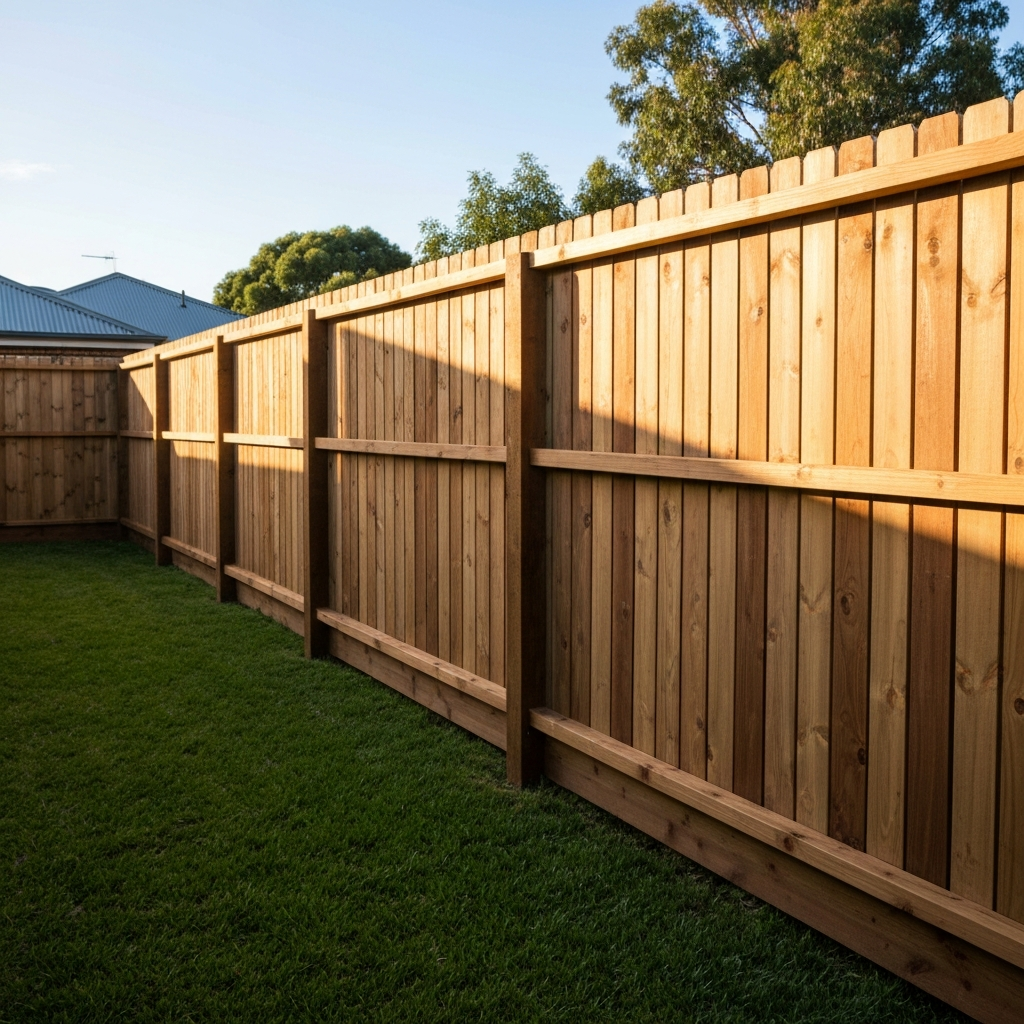
When you hire Fence company groups, you desire the staff to deal with weather as an engineering restriction. That appears in careful dimension, appropriate sequencing, and a concentrate on article structures and treatment time. It also turns up in interaction. If the Fence installer notices getting worse conditions and advises pausing a pour, that's not a hold-up for the sake of it, it's safeguarding the fence line you're paying for.
If you remain in Melbourne, or anywhere with quick seasonal changes, it's specifically worth choosing a Fence contractor with experience in regional climate patterns. "Great products" and "good style" still matter, but they don't override inadequate timing.
When the projection is marginal, do not look for the cheapest day. Search for the most deliberate plan.
Final takeaway: climate does not spoil fencings, poor sequencing does
A fence falls short when the system is forced into movement it wasn't planned for. Rainfall softens the structure. Wind spins an insufficient structure. Warmth adjustments how products sit and emphasize dealings with. Frost examinations whether the base can stand up to dirt development. Humidity accelerates deterioration and rot threat at prone interfaces.
The top quality difference you can feel later, the fencing that stays straight and entrance hardware that keeps working, generally originates from set up decisions made during the job, not after it.
Choose Fence contractors that prepare around weather condition, ask the right concerns, and don't deal with "virtually dry" as the like stable. That's exactly how a fencing ends up being greater than a weekend break job, it comes to be a reliable border that takes on the environment it was constructed in.