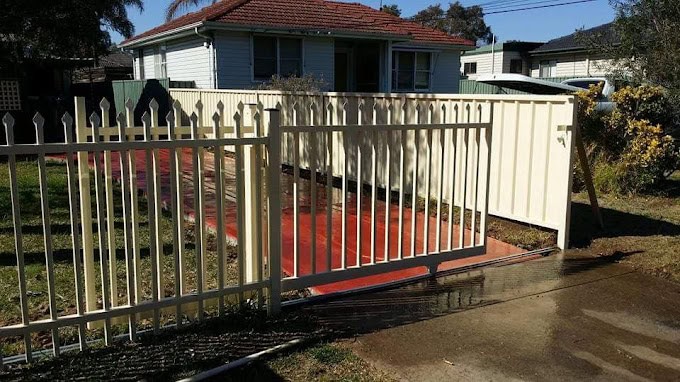
Using Stress vs. Tension-Free for Chain Link Fences
A wire mesh fence looks simple up until you're the one describing, with receipts, why it's starting to droop after the first period. I have actually stood on both sides of that discussion, first as the fencing contractor trying to supply a clean install, and later as the individual the fencing owner calls when the "it'll tighten up" guarantee becomes a weekend break project.
The big choice is usually stress versus tension-free. Theoretically, it seems like a tiny information. In the area, it alters every little thing about exactly how the fence behaves under wind, just how it handles line articles and top rails, and just how much time you end up investing on changes instead of installing.
Let's talk with it like it's your fencing, your cash, and your reputation.
What "tension" really implies in chain link
When people claim "stress," they're generally discussing just how the fabric is tensioned at the ends and secured through the line of blog posts. The majority of tensioned installments make use of a stress bar or a tensioning system at the edge articles or end messages, drawing the chain link material limited before attaching it along the run.
That stress matters since chain web link is not a rigid material. The material stretches and unwinds. Also if it really feels tight on day one, it will certainly reply to weather. Warmth expands the steel, cold can shrink it, wind flexes it, and gravity does its task via years, not days.
A tensioned fence beginnings with the material under a regulated stretch. That provides you an extra secure standard. You get much less of the "wavy" appearance and you minimize the possibility that the fence will look loose soon after installation.
A tension-free installment, often called a slack or non-tensioned method, focuses extra on establishing messages appropriately, running the textile, and attaching it without pre-stressing the product. It's not that the material has absolutely no slack. It's that the system is made to rely on the message line, braces, and overall design rather than pulling the textile limited at the start.
That distinction appears technological. It is, but it additionally shows up visually within months.
The sincere compromise: tight currently versus tight later
Here's the uncomfortable reality: neither tension neither tension-free is instantly "better." Each method is a technique for managing movement.
Tensioned fencings: the usual benefits
Tension helps you regulate the initial appearance and reduce very early sag. When the material is pulled tight and secured at the ends, the fence often tends to keep a straighter profile. That matters if you're trying to sell a clean aim to neighbors, residential or commercial property managers, or a fencing company's clients who respect aesthetic appeal.
Tensioned systems additionally tend to handle wind tons more predictably, as long as the blog posts are sized and spaced correctly. A wire mesh fence is essentially an adaptable screen, and stress makes it extra immune to that "flap" effect.
In practical terms, I have actually seen tensioned fences remain looking great through seasonal temperature swings, where tension-free fences can begin showing noticeable slack earlier. That distinction is particularly noticeable on longer runs with consistent material coverage.
Tension-free fences: why people choose it
Tension-free is often selected for price control, rate, or certain website problems. If you have minor grade challenges, complex angles, or you want a simpler arrangement that reduces the moment spent tensioning, a non-tensioned method can be appealing.
There's likewise a fact some property owners do not state out loud: they don't desire a fencing that looks "limited like a drum" right after mount, since they understand the material will move. A tension-free approach can look more flexible as it relaxes, though it can still sag.
If the fence line is short, post spacing is tight, and the material is suitably connected along the way, tension-free can function well. The secret is not treating it like tensioned job without the tension. The system still needs to be engineered, just differently.
Wind, grade, and blog post layout: the genuine drivers
Tension is just one piece. The larger chauffeurs are what's occurring to the blog posts and how the fence is anchored and braced.
Wind tons do not care just how tight you made it
Wind bends the fabric and lots the articles. On a well-built fencing, that flex is taken care of. If messages are under-sized, spaced also much apart, or otherwise correctly supported at ends, the fencing will certainly relocate whether the textile was tensioned or not.
I bear in mind one set up where the stress looked wonderful on pick-up day. The very first strong wind came through and the fence line had a visible wave. It wasn't a "tension failing." The bracing at the end blog posts was insufficient for the site direct exposure. We reconstructed the incurable framework and the issue eased significantly. The material stress was never the whole story.
Grade adjustments punish sloppy geometry
If your fencing line follows unequal grade, the fabric needs to change between heights. With tension, you're asking the textile to draw right into placement. If the blog posts aren't readied to produce a regular structure, tension can magnify visual problems since the fabric wants to be straight while the posts force it to bend.
Tension-free installations can often mask small disparities, yet they don't eliminate them. Ultimately, the slack ends up being a style of activity, not just a short-term adjustment.
Corner and end assemblies matter most
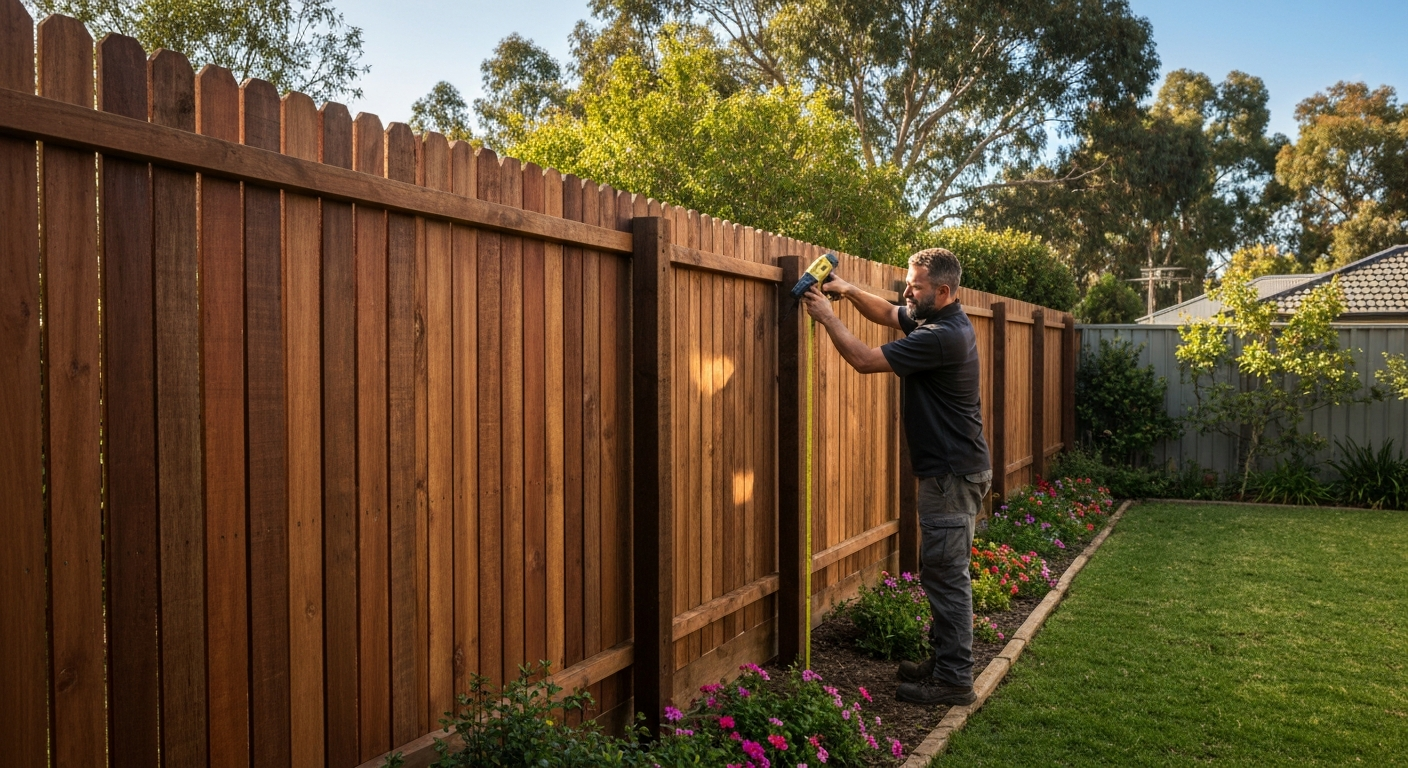
If you're going to buy stress, you need strong end posts, edges, and supporting. Those terminal factors are where stress equates right into pressure. Weak edge frameworks will bow or shift. After that the fencing loses the benefit of being drew tight in the very first place.
A fencing owner may think "the material sagged," but the root cause might be incurable setting up motion. That's why stress choices need to begin at the ends, not in the center run.
How it looks over time: what proprietors in fact notice
People notice three things: droop, waviness, and elevation variation.
A tensioned fence commonly reveals waviness later, due to the fact that it starts tighter and unwinds gradually. Height variation can still occur if line messages are not steady or if the terminal frameworks move.
A tension-free fencing can look acceptable early, after that show relaxed earlier. The textile can start drooping between blog posts, and the leading side can establish a mild curve that comes to be a lot more obvious as the season cycles.
It's also worth discussing the leading rail (if set up) and how it's secured. A leading rail can create a visible straight line even if the material is not completely tensioned, however it relies on just how it's affixed and aligned. If the leading rail is a little off, stress can pull the fabric right into alignment and make the rail appearance "also worse" from a distance. I have actually found out to examine the rail course before making a decision exactly how hostile to be.
Cost and labor: stress is time, yet tension-free can be time too
On a typical task, tensioned setup includes additional labor steps. You're measuring, tensioning, protecting the fabric at terminals, and afterwards continuing attachments along the run.
But tension-free isn't automatically quicker in the real world. If tension-free cause additional improvements due to the fact that the fence doesn't rest the method the client anticipates, you can lose time later on. Also, installers still require to preserve constant fabric height and effectively attach it. The labor shifts instead of disappears.
When I'm encouraging a fencing contractor or a fencing company team on approach choice, I look at the overall task end result, not simply the minutes spent pulling fabric. The far better question is: which approach straightens with the site problems and the end goal?
When tensioned secure fencing is the better call
Tensioned installs typically make good sense when you want a crisp, consistent look and you have the terminal structures and blog post layout to support it. That's especially real in open locations where wind is consistent and the fencing line is long sufficient to show movement.
In my experience, tensioned fence tends to perform well when:
- you have longer straight keep up fewer interruptions
- the fence is exposed to wind
- the client expects a tight, tidy top side visually
- you're utilizing effectively sized bracing at corners and ends
- post spacing is ideal for the material and height
Even then, stress does not forgive bad article positioning. If posts are established erratically or terminal structures are weak, the tension system just moves the stress and anxiety to where it can't be resisted.
When tension-free can function better
Tension-free can be a solid option in details situations. It's not a faster way for bad layout, but it can be the right fit when you want much less mechanical stress in the fabric and you expect movement to happen slowly and acceptably.
A tension-free approach commonly functions much better when:
- the fence line is shorter or has regular article stabilization
- the website has grade and alignment issues where best tension placement would certainly look forced
- you're dealing with locations where accessibility or format makes tensioning difficult
- the client favors a fencing that kicks back without significant visual stress effects
- the design integrates excellent rail assistance and constant attachment points
The important detail is fastening. A tension-free fencing still needs strong add-on factors so the fabric does not "float" between posts. If you connect loosely, slack develops into sag faster than you 'd expect.
The concealed variable: textile type and exactly how it behaves
Not all chain web link textile behaves the very same. Heavier gauge material, various mesh sizes, and differing finishings all alter just how the textile stretches and just how it holds up over time.
I will not claim there's a global policy like "always stress 2 inches." What issues is compatibility between:
- fabric weight and stiffness
- how high the fence is
- post spacing and blog post strength
- terminal bracing capability
If a fencing is too light for the exposure or too tall for the terminal support, you can stress it and still wind up with a fencing that doesn't remain true. Conversely, tension-free can collaborate with lighter material if the system is made to lessen slack accumulation.
A practical choice structure I make use of onsite
When I'm standing at a fencing line with a staff, I'm not determining based upon preference. I'm deciding based on risk.
Here's exactly how I think of it when contrasting stress versus tension-free for chain link fences.
Quick on-site check prior to picking a method
- Look at terminal blog posts, edges, and supporting ability, not just line articles
- Measure article spacing against the fence height and anticipated wind exposure
- Check grade shifts, particularly where the fencing line climbs up or drops
- Inspect the leading rail plan, if one is made use of, for positioning and rigidness
- Talk to the customer about appropriate appearance changes over time
That's the sensible component. When you have those solutions, the option becomes apparent more frequently than you 'd think.
Installation information that make or damage either approach
People love to say about stress due to the fact that it feels like the making a decision variable. Actually, the details you apply around tension control matter more.
Attach factors and tension distribution
If you stress the textile yet don't affix it properly along the line, the material will certainly still work itself loose or settle erratically. If you do not tension it but your attachments are inconsistent, slack will certainly gather in the same weak points every time.
The goal is even fill circulation. That indicates the material is supported along the course, not simply yanked at the ends.
Terminal positioning and bracing
A terminal framework that leans also somewhat will relocate the entire system. Once it relocates, stress can not hold the textile in a straight line. The ideal strategy is to repair incurable alignment and bracing first.
If you're running a fencing job for a homeowner, you're likewise safeguarding your company. A fencing company that cuts edges on terminal strength usually pays for it later on in labor telephone calls, which are costly and rarely set up at hassle-free times.
Corner actions is not a "collection and fail to remember" situation
Corners focus stress. Whether you make use of tension or otherwise, corners require thoughtful construction. With tension, corner blog posts should resist the pulling forces. Without tension, corners can still change as a result of wind and the fencing's capability to "find slack."
This is where experience matters. It's also where an excellent fencing contractor gains trust fund, due to the fact that they're not just setting up material, they're building a system that stays steady with real weather.
Common errors I've seen
If you have actually ever before inherited another person's work, you've most likely observed patterns. Tension-related troubles typically originate from the installer trying to compel a weak system to act like a solid one. Tension-free troubles often come from under-attaching fabric and presuming slack will remain where it starts.
Here are the mistakes I see most often, no matter technique:
What to avoid on your following chain web link project
- Tensioning without adequate end or edge supporting
- Setting messages as well much apart for the fence height and exposure
- Treating quality shifts like they don't affect fabric alignment
- Over-relying on appearance at set up day as opposed to security over periods
- Using inconsistent attachment techniques along the fence run
These problems turn up whether you're benefiting a fence company that desires the task to look terrific quickly, or for a fencing contractor who intends to maintain labor tight and proceed to the following website. The fencing does not appreciate the schedule.
Edge cases that alter the answer
Sometimes the "best" approach ends up being a compromise.
Sloped runs with fars away between posts
On a slope, stress can make the fence appearance directly while the blog posts force the geometry to fight. In these instances, I'm a lot more cautious with just how tension is used and just how line articles are set. Tension-free can in some cases stay clear of developing an aesthetic dispute between material straightness and post elevation changes, however just if the attachments are strong and consistent.
Wind corridors
If the fence sits in a wind hallway, slack can become pumping movement, and pumping produces much faster put on. Right here, tensioned systems usually win, yet only when incurable settings up and article spacing are crafted for that exposure.
Properties with constant maintenance access
If your customer expects to adjust the fence later on, a tension-free method can be acceptable. It might not look identical at year two compared to year one, yet it can be less complicated to cope with. If the client wants very little intervention, tensioned techniques plus solid building and construction usually have the edge.
So which one needs to you choose?
Here's the blunt answer: select the approach that matches the toughness of your framework and the expectations of the owner.
Tensioned wire mesh fence have a tendency to deliver much better very early appearance and an extra regulated settling, especially on revealed websites and longer runs, if the incurable assemblies and blog post layout are up to the task. Tension-free chain link fences can be perfectly acceptable when the website conditions and article structure support the textile, and when the owner comprehends that slack can create quicker in exchange for a calmer, much less mechanically stressed out look.
If you're handling a fence task, it's much less regarding selecting a side and more concerning lining up 3 things: post strength, terminal supporting, and fabric add-on quality.
Real-world takeaway from the field
The best fencings I've seen are not the ones with one of the most "tight" look on day one. They're the ones that maintain their form after climate, after a season of temperature level adjustment, and after a person bumps the fencing with a vehicle or a lawn mower since mishaps happen.
When I'm collaborating with fencing contractors and fencing company teams, I push the very same message: tension is a device, not a guarantee. A tension-free build isn't instantly inferior, and a tensioned build isn't automatically superior. The system wins.
Pick stress when the work conditions support it, and you desire an uniform finish. Pick tension-free when the website and design call for it, and you can maintain consistent assistance along the run. Regardless, construct it like it will certainly exist when the climate quits being polite.
And if you ever obtain stuck, keep in mind the simplest rule that keeps returning from years on work websites: begin with the ends, respect the messages, and treat the material as something that will certainly move, due to the fact that it will.