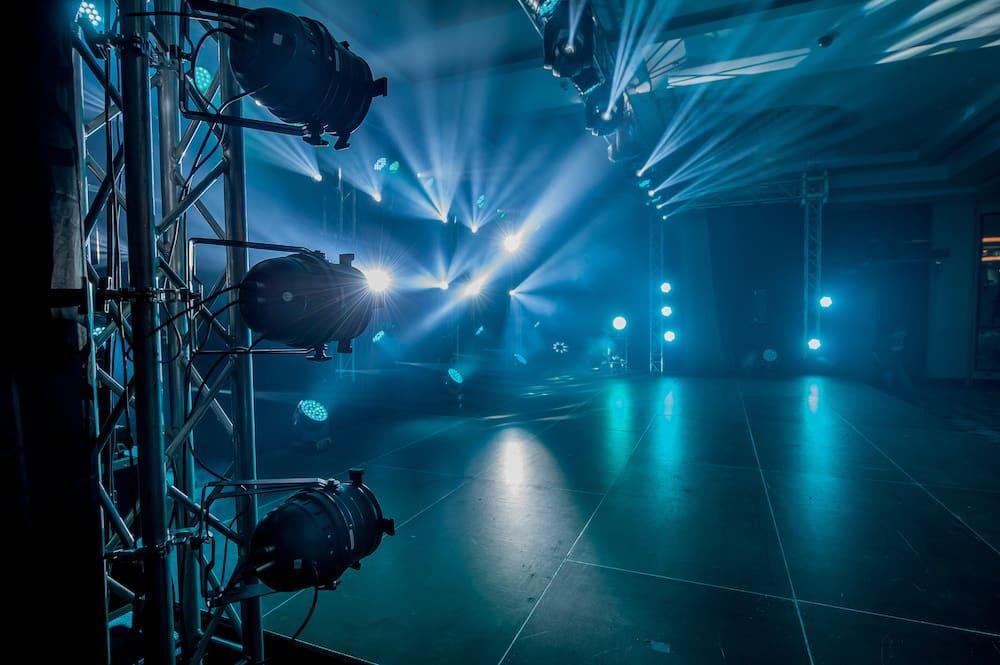
Understanding Moving Head Lights
Moving head lights are dynamic fixtures commonly used in entertainment venues. They are designed to project beams of light that can be directed and manipulated during an event. These lights can rotate and pivot, allowing users to create captivating visual displays. The sophistication of moving head lights has made them a staple for concerts, theaters, and various celebrations. By adjusting angles and colors, they help enhance the overall atmosphere of an event.
Different types of moving head lights serve specific purposes. Spot moving heads concentrate a tight beam on a particular point, while wash lights produce a broader, softer glow that can fill a space with color. Beam lights create sharp, narrow beams for impressive effects, while hybrid fixtures can combine effects from multiple types. Understanding these distinctions is important when choosing equipment for your event's visual needs. Each type offers unique features that can enhance the audience's experience.
In professional events, moving head lights have various applications. They play crucial roles in set design, mood lighting, and highlighting performers or speakers. For instance, during a concert, these lights can dynamically follow the lead singer, creating a more engaging performance. In corporate events, they can draw attention to key presentations or focus on guest speakers. Overall, what type of moving head light to use often depends on the specific event format and desired atmosphere.
Assessing Event Requirements
When selecting moving head lights, understanding the event size and layout is vital. A large arena may require more powerful fixtures to ensure visibility from every angle. Conversely, smaller venues could benefit from fewer lights that are strategically placed. It’s essential to consider not only the space dimensions but also the ceiling height and any architectural features that could obstruct light distribution. Mapping out where the lights will be placed helps ensure a cohesive lighting design.
Another important consideration is whether the event will occur indoors or outdoors. Outdoor events have different requirements due to factors like sunlight and weather conditions. Lights may need to be brighter to compete with ambient light during the day. Additionally, outdoor fixtures must be weather-resistant to ensure functionality despite rain or wind. On the other hand, indoor events may prioritize aesthetics and color quality. Understanding these contrasts helps in making informed decisions.
The nature of the event is crucial when assessing lighting needs. Concerts often demand high energy and dynamic lighting effects, while conferences focus more on clear illumination for speakers. The type of audience also plays a role; younger crowds might appreciate vibrant light shows, while corporate professionals may prefer subtle, elegant lighting. Recognizing the specific context of each event allows better tailoring of lighting solutions.
Evaluating Features of Moving Head Lights
In evaluating moving head lights, brightness and lumens rating are key features to consider. Higher lumen ratings equate to brighter lights, which are essential in large venues. Brightness also affects how colors appear to the audience, so it’s a crucial feature to assess. Next, control options allow the user to manage the lights efficiently; DMX systems are standard in professional setups, while wireless control offers convenience in dynamic situations. Selecting the right controls can enhance the functionality of the lights significantly.
Another crucial factor is the range of motion, which includes pan and tilt angles. A fixture that covers a wide range of motion can create more dynamic effects. This means it can reach various spots on stage or within the event space with ease. Additionally, color mixing capabilities determine the versatility of the lighting, allowing for different moods and themes. Gobo wheels and effects also add complexity to the visuals, letting designers incorporate textures and patterns that can enhance storytelling.
Strobe and dimming features contribute to the lighting effects that make an event unique. Strobe lighting can energize performances, while dimming capabilities allow for smooth transitions between different segments of a show. Moreover, beam angle and zoom range must be evaluated, as they impact how focused or wide the light beams will be. Comprehensive performance features ensure the moving head lights meet diverse effects and styles needed for various types of events.
Comparing Brands and Models
When exploring moving head lights, it's wise to consider the top brands in the industry. Brands like Martin, Chauvet, and ADJ are known for their quality and innovation. Each brand offers a range of models that cater to different event requirements. Price points, durability, and performance may vary widely among them, so it's important to compare these aspects. Familiarity with reputable brands can help in selecting a product that meets both functionality and reliability.
Popular models often stand out due to their specifications. For instance, the Martin Mac series offers exceptional brightness and advanced effects, while Chauvet products may emphasize affordability without sacrificing quality. Evaluating these aspects helps in determining which models provide the best value for your budget. Longevity and durability also play a crucial role; lights that can withstand frequent use and transport are preferred for professional settings. A sound choice in models ensures a future-proof investment.
Choosing a moving head light from established brands not only enhances reliability but also opens up a world of support. Manufacturers usually provide extensive documentation and customer service, which can be an advantage for event planners. This support can be crucial when troubleshooting or upgrading equipment. It's essential to match the model with your specific needs while keeping future events in mind to avoid potentially costly mistakes.
Budget Considerations
Establishing a realistic budget is essential before purchasing moving head lights. Determine how much you are willing to spend while also accounting for the features you need. Balancing cost with quality is important; choosing the cheapest option might lead to poor performance. When budgeting, remember to include potential expenses for accessories like DMX controllers or additional mounting gear. It’s also wise to consider maintenance costs over time.
One of the options worth exploring is whether to rent or buy moving head lights. Renting can be cost-effective for one-time events, but purchasing offers long-term benefits. If your events are frequent, investing in a good set of lights may save money in the long run. Weighing the pros and cons of each option helps in making the right financial decision.
Understanding budgeting also involves knowing the value of features. Higher-priced lights might offer enhanced capabilities, which can justify the investment. However, ensure that these extra features align with your event's goals. Consulting with experts or conducting thorough research can also provide insights into making an informed decision without overspending.
Technical Specifications and Compatibility
Technical specifications play an essential role in the selection of moving head lights. Start with power consumption; it's crucial to ensure your existing electrical setup can handle the new equipment. Knowing the wattage and voltage requirements helps prevent issues down the line. Furthermore, look into the rigging and mounting options that come with the lights. Ensure that your venue can accommodate these fixtures safely and securely.
Compatibility with existing equipment is another important consideration. If you already have a sound or light system, make sure your new lights can integrate seamlessly. This includes ensuring they support the same control systems and protocols. Incompatibilities can lead to operational challenges, which could hinder your event's success. Also, assessing whether the lights are upgradeable can provide assurances for future expansions.
Another often overlooked aspect is the mobility of the lights. If your events take place in various locations, weighing the weight and portability of the moving heads is necessary. Some lights are easier to transport than others. Investing in lightweight, easy-to-setup fixtures can make a big difference in event logistics.
Vendor and Supplier Selection
Choosing a reliable vendor is crucial for acquiring moving head lights. Researching potential suppliers helps ensure you're dealing with reputable sources. Look for vendors that specialize in lighting equipment and have a solid track record. Reading reviews and testimonials from other customers can provide insights into their reliability. A trustworthy supplier can offer better support and guidance throughout the purchasing process.
Warranty and support services are other factors to consider when selecting a vendor. A good warranty can protect your investment, while responsive support can address any issues that arise after the purchase. Knowing that you have someone to reach out to in case of problems gives peace of mind. Additionally, some vendors offer demonstrations or rentals, which can help you make more informed decisions.
Establishing communication with potential vendors is essential. Don’t hesitate to ask questions about their products, recommendations, and any after-sales support. Building a relationship with a supplier can also lead to future discounts or exclusive offers. Ultimately, your choice of vendor can significantly impact not only the quality of your equipment but also your overall event success.
Testing and Demonstration
Testing moving head lights before purchase is vital. Getting a hands-on experience can help you better understand their functionality and performance. Requesting a demonstration or trial is a smart move, as it allows you to see how they perform in real-time. Observing how the lights respond to controls helps ensure they meet your requirements. It's an opportunity to evaluate effects, colors, and mobility.
During a trial, pay attention to how easily you can operate the lights. Can you effectively change settings and trigger different effects? Is the control interface user-friendly? Assessing these features can provide insights into whether the model suits your event style. Additionally, it's beneficial to test in an environment similar to where your event will take place. This can showcase any lighting difficulties you wouldn’t see in a showroom.
Evaluating performance in real event scenarios is also important. When testing, consider varying aspects of the event, like audience movement or changing performances. This can help you gauge if the lights can adapt to different situations. Observing how they contribute to the overall mood of the event is critical to ensuring you make the right choice for your future events.
Installation and Setup
Understanding installation requirements is necessary for moving head lights. Proper setup is essential to achieving the desired lighting effects and ensuring safety. It's crucial to follow the manufacturer's guidelines for rigging and mounting. Each venue is unique, so customizing the installation based on the space is often required. Make sure to have the right tools and hardware on hand to facilitate the installation process.
Ensuring safety protocols aren't compromised is vital when setting up moving head lights. Secure fixtures properly to prevent accidents during performances. Consult with a professional if you're unsure about the installation process. A sturdy setup not only provides peace of mind but can also enhance the overall performance of the lighting effects. Regularly checking installation integrity can prevent potential mishaps during events.
Deciding between a professional setup or DIY also depends on your team's expertise. If you're not confident in your abilities, hiring a professional can save time and headaches. On the other hand, if your team has experience, a DIY approach can be more cost-effective. Assess your resources and comfort level before making a decision. Investing in quality installation can pay off in better lighting performances during your events.
Long-term Maintenance and Support
Routine maintenance practices are essential for maximizing the lifespan of moving head lights. Regular cleaning and inspections can prevent downtime and costly repairs. Dust and debris can affect performance, leading to diminished light quality. It’s important to set a maintenance schedule to check all components consistently. Keeping them in good condition ensures reliability over time.
Access to replacement parts and servicing is also crucial. Choose moving head lights from manufacturers that offer a variety of components for repairs. Being able to replace worn-out parts helps maintain performance and avoid extensive repair costs. Additionally, having a good relationship with service providers can streamline the repair process when needed.
Lastly, consider manufacturer support and service agreements. A manufacturer that stands by its products provides access to expert advice and resources for troubleshooting. Support in understanding technical issues can save time during critical events. Engaging in maintenance agreements may also provide periodic check-ups and updates, ensuring your equipment stays in top condition throughout its service life.
Future-Proofing and Scalability
Future-proofing your moving head lights can be beneficial if you plan for long-term use. Consider models that support upgrades and new technologies. As lighting technology evolves, having the option to enhance your equipment can extend its relevance. This flexibility allows you to adapt your setups for future events without having to replace entire systems.
Scalability is especially important for event planners managing different sizes and types of events. Choosing versatile moving head lights that can perform well in various settings can make scaling easier. This might mean selecting fixtures that offer both power and finesse to suit intimate gatherings or larger concerts. A scalable approach to lighting also provides opportunities to expand your inventory as your demands grow.
Keeping up with technological advances ensures that your lighting solutions remain cutting-edge. Stay informed about trends in the industry, whether through attending trade shows or participating in forums. This knowledge helps in making informed choices when upgrading or purchasing new products. Ultimately, investing in future-proof and scalable lighting solutions enhances your capability to deliver engaging events that captivate audiences.