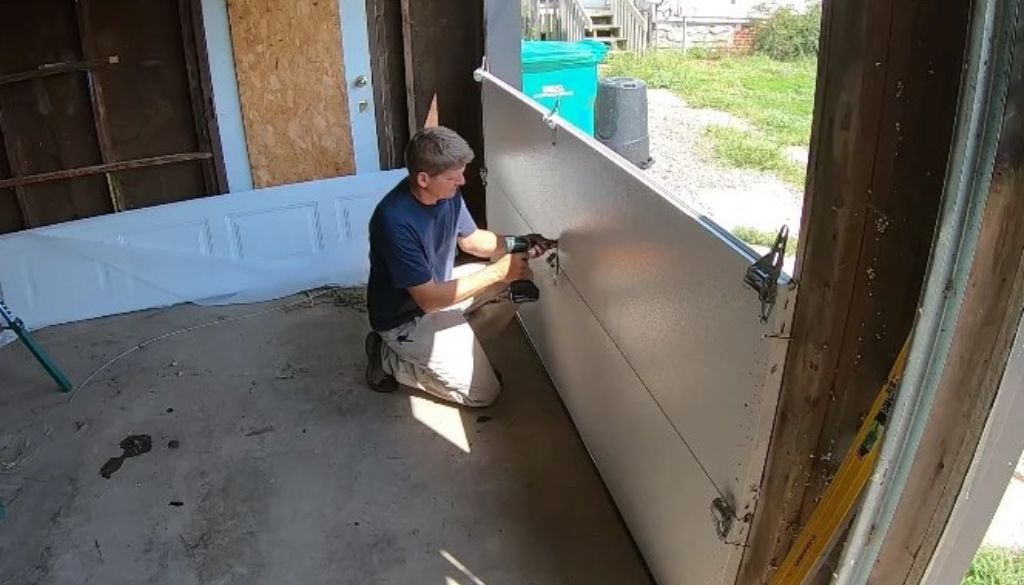
Garage Door Lubrication Guide: Where to Apply Silicone-Based Lubricant
A garage door is one of the largest moving systems in a typical home, yet most of its daily work happens quietly in the background until something starts squeaking, grinding, rattling, or sticking. When that happens, many homeowners reach for the first spray can on the shelf and coat anything that moves. That approach can make the door messier, noisier, and harder to inspect later.
Good garage door lubrication is more selective. The goal is not to soak the system. The goal is to reduce friction at the parts designed to pivot, roll, or flex while keeping lubricant away from areas where it can attract dirt, interfere with traction, or hide damage. Silicone-based lubricant is commonly recommended for garage door maintenance because it leaves a slick protective film without behaving like heavy oil. Used correctly, it helps hinges move freely, rollers travel more smoothly, and springs operate with less surface friction.
Lubrication will not repair a broken spring, straighten damaged garage door tracks, correct poor garage door balance, or make unsafe garage door sensors safe again. It is a maintenance task, not a cure-all. Still, when done with care, it can quiet a healthy door, reduce wear on moving parts, and make routine garage door inspection easier.
Why silicone-based lubricant is preferred for garage doors
Garage doors collect dust, grit, pollen, leaves, and road debris from vehicles. Any product used on the door has to work in that environment. Oil-based products can leave a wet film that attracts and holds dirt. Over time, that mixture can turn into sticky residue around hinges, rollers, and track openings. Instead of reducing friction, the buildup can make movement feel rougher.
Silicone-based lubricant is better suited to many garage door components because it provides lubrication without the same dirt-holding behavior associated with heavier oils. It is especially useful on metal hinges, garage door rollers, and springs, where controlled movement matters. It also tends to be easier to apply in a thin coat, which is exactly what most parts need.
A common mistake is treating WD-40 or similar water-displacing products as a universal garage door lubricant. Those products may have uses around the house, but they are not the preferred choice for ongoing garage door lubrication. For hinges, rollers, and springs, a silicone-based garage door lubricant is the more appropriate option.
There is also a judgment factor. A small amount in the correct location can help. A heavy coating everywhere can create a new maintenance problem. If the door looks wet, drippy, or dust-coated a few days after lubrication, too much was applied or it was applied in the wrong places.
Start with a clean, safe door
Before applying anything, take a slow look at the door while it is fully closed. The closed position lets you see the hinges, roller brackets, lower fixtures, and much of the track path without standing under a moving door. If you have an automatic garage door opener, do not rely on the remote while your hands are near moving parts. Keep the door still while inspecting and lubricating.
A garage door system includes panels, tracks, rollers, hinges, springs, cables, and often an opener. These parts work together. A lubrication job is a good time to notice whether something is bent, loose, cracked, frayed, or out of place. That does not mean every homeowner should perform garage door repair. Some parts, especially garage door springs and garage door cables, are tied directly to the stored energy that balances the door’s weight. When those parts are damaged, professional service is the safer path.
Dirt should be removed before lubrication where practical. Wiping exposed hinge areas and the outside of roller stems with a dry cloth can prevent grit from being pushed deeper into moving parts. If the garage door tracks have visible debris, clean the track surfaces rather than spraying lubricant into them. Tracks guide movement. They are not meant to become greasy channels.
A clean door also makes troubleshooting more honest. If a hinge is cracked, a roller is worn, or a bracket is pulling away, lubricant may briefly change the sound but it will not solve the defect. A quiet but damaged door is still damaged.
Where to apply silicone-based lubricant
The best lubrication points are the components that pivot, roll, or flex as the door travels. On a sectional garage door, those areas repeat from panel to panel. You do not need to flood them. Aim for a light, controlled application, then operate the door to distribute the lubricant through normal movement.
Hinges between door sections
The hinges are among the most important lubrication points on a sectional door. They allow the panels to bend as the door moves from vertical tracks into the horizontal overhead tracks. Each time the door opens or closes, these hinges pivot. Dry hinges often produce squeaks, creaks, or a raspy metal sound.
Apply silicone-based lubricant at the hinge pivot points, not across the entire hinge face. The pivot is the area where one part of the hinge rotates against another. On many doors, a short spray directed at that joint is enough. After lubrication, open and close the door to work the lubricant into the hinge.
Pay attention to changes in sound. A hinge that remains noisy after light lubrication may be loose, worn, or contaminated with grit. A hinge that looks bent or cracked should not be ignored. Hinges carry movement between panels, and a failing hinge can affect the way rollers enter and leave the tracks.
Garage door rollers
Garage door rollers guide the door along the tracks. Depending on the door, rollers may be mounted through hinges or brackets. They are common sources of squeaking, rattling, and uneven movement when dry or worn.
The correct target is usually the roller stem and bearing area, not the track itself. The roller needs to turn freely as it follows the track. A light application where the roller rotates can reduce friction. Avoid coating the wheel surface so heavily that it transfers lubricant onto the track.
Roller condition matters. Lubricant can help a dry roller, but it cannot restore a damaged one. If a roller wobbles, binds, or appears badly worn, garage door troubleshooting should move beyond lubrication. A noisy roller that does not spin smoothly may need replacement. Because rollers interact with the track and door balance, homeowners should be cautious, especially near lower brackets and cable attachment points.
Torsion springs and other spring surfaces
Garage door springs store and release energy to balance the door’s weight. Torsion springs, which are mounted above the door, unwind as the door opens. They are commonly used on heavier or high-use doors. Because springs do hard mechanical work, their surface condition matters.
A light coat of silicone-based lubricant on the spring surface can reduce friction between the coils as the spring moves. The key word is light. The spring does not need to be soaked. A thin application across the accessible spring surface is enough, followed by a few door cycles to help distribute it.
This is one area where safety judgment is essential. Springs are under tension. Do not loosen hardware, remove parts, adjust spring tension, or try to correct a balance problem during lubrication. If the spring is broken, stretched out of shape, visibly damaged, or accompanied by a door that feels unusually heavy, stop using the door and arrange qualified garage door repair.
Lubricating a torsion spring may quiet minor coil noise, but it will not change the spring’s job. The spring system must properly balance the door. If the door slams shut, will not stay in position, or strains the garage door opener, the issue is not a lubrication problem.
Bearing plates and metal contact points near the spring system
On torsion spring systems, the shaft and bearing areas support movement as the spring system operates. A small amount of silicone-based lubricant may be appropriate at accessible metal contact points where rotation occurs. Do not disassemble anything to reach these areas. If a part is not safely accessible from a stable position with the door closed, leave it alone.
This is also where experience matters. A faint mechanical sound during operation may be normal. Grinding, scraping, or movement that looks uneven is not something to mask with spray. Since torsion spring hardware is part of the counterbalance system, unusual behavior deserves professional inspection.
Locking hardware and pivoting handles
Some manually operated doors have locks, handles, or latch rods. If these parts bind, silicone-based lubricant can help the pivoting or sliding contact points move more freely. Use it sparingly. Locking hardware can collect dust quickly, and too much lubricant may make the mechanism gummy over time.
For homes with an automatic opener, manual locks should be handled carefully. A locked door connected to an opener can create serious strain when someone presses the remote. If a lock is used, the opener and lock arrangement must make sense together. Lubrication may keep the lock moving, but it does not solve misuse.
Where not to apply lubricant
The most common lubrication mistake is spraying the garage door tracks. It seems logical because the rollers move through the tracks, but the track is a guide, not a sliding surface that needs to be greased. Lubricated tracks collect dirt, and that dirt can interfere with smooth roller travel. If tracks are dirty, clean them. If tracks are bent or misaligned, lubrication will not correct the problem.
Do not spray garage door sensors. Safety sensors, often called electric eyes, are part of the entrapment-protection system on automatic garage doors. Residential automatic garage door openers manufactured for the U.S. Market on or after January 1, 1991 are required to comply with entrapment-protection requirements. These systems are intended to reverse the door when something enters the closing path. Their reliability depends on correct installation, maintenance, and alignment. Lubricant belongs nowhere near the sensor lenses or wiring.
Do not spray the opener’s drive system unless the opener manufacturer’s instructions specifically call for it. The garage door opener and the door are related, but they are not the same system. The opener moves the door. The springs balance the door. If the door is hard to lift, the opener should not be forced to compensate. Lubricating door hardware may help normal movement, but it should not be used to hide an overworked opener.
Do not lubricate frayed cables, cracked brackets, damaged hinges, or loose fasteners as if lubrication were a repair. Garage door cables are part of the lifting system. If they show damage or do not sit properly, stop operating the door. Spraying them may make them look better for a moment, but it does not restore strength or correct routing.
A practical lubrication sequence for homeowners
A careful sequence helps prevent missed parts and over-application. Keep the process simple and controlled. Work with the door closed, use a stable position, and avoid placing fingers near pinch points between panels, hinges, rollers, and tracks.
That short routine is often enough for a healthy door. The value comes from restraint. If the first pass does not quiet the door, a second heavy pass is rarely the answer. The remaining noise may be caused by worn rollers, loose hardware, track issues, poor door balance, or opener strain.
Reading the sounds your garage door makes
Lubrication is partly preventive and partly diagnostic. A homeowner who listens carefully can learn a lot from the way a door sounds before and after service.
A squeak from the middle of the door often points toward hinges. As the sections bend through the curved track area, dry hinge pivots complain. If the squeak improves after lubrication, the source was likely friction at the hinge. If it remains, inspect the hinge more closely.
A rolling rumble or chatter may involve garage door rollers. Rollers that do not turn freely can drag, bounce, or rattle in the track. Lubricant can help if the issue is dryness. If the roller is worn or damaged, replacement may be the real fix.
A sharp popping or coil noise near the header area may involve torsion springs. A light coat of silicone-based lubricant may reduce surface friction between coils. However, spring noise deserves caution because springs are critical to garage door balance. Any visible spring damage or door weight problem should be treated as a safety issue.
A scraping sound may indicate contact between moving parts that should not be rubbing. This can happen when tracks are dirty, bent, or not guiding the rollers smoothly. Lubrication on the track can hide the symptom without addressing the cause. Clean the track, observe the roller path, and call for service if the door binds.
A motor strain sound from the garage door opener can be misleading. Homeowners often assume the opener is weak, but the door may be poorly balanced or mechanically restricted. The opener should not be doing the spring system’s job. If lubrication does not improve manual movement, the issue belongs in a broader garage door inspection.
Lubrication and garage door balance
Garage door balance is one of the most important concepts in long-term ownership. The springs carry the door’s weight so the door can move smoothly and the opener can do its job without excessive strain. Lubrication can reduce friction, but it cannot balance the door.
A balanced door usually moves in a controlled way. An unbalanced door may feel unusually heavy, drop quickly, refuse to stay in position, or place extra load on the opener. These symptoms should not be dismissed as dryness. Torsion springs and other spring systems store energy, and adjusting them is not a casual maintenance task.
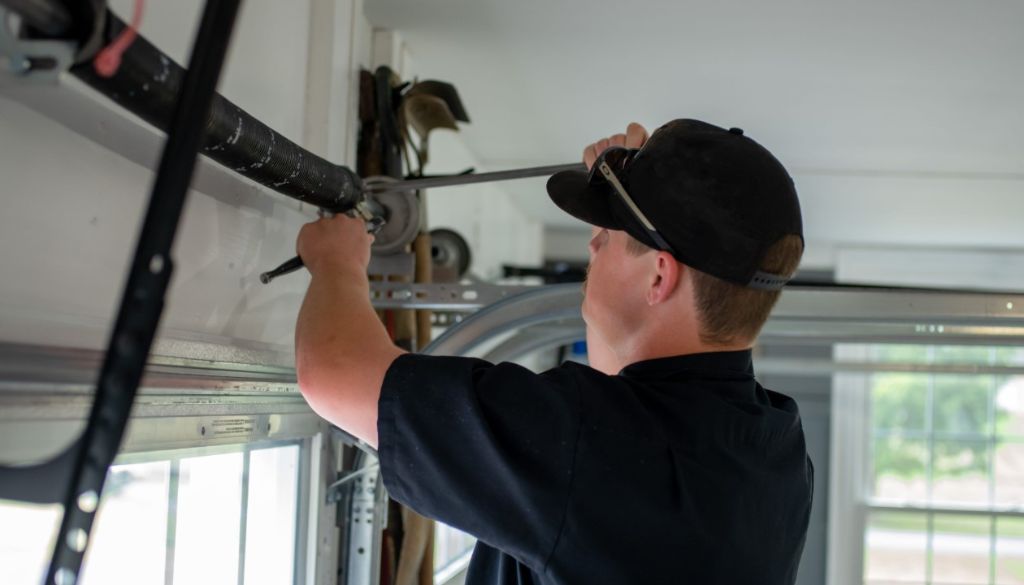
This distinction matters because many homeowners first notice balance trouble as noise. The opener groans, the door jerks, or the rollers chatter. Applying silicone-based lubricant may make the door slightly quieter, but the underlying weight problem remains. Over time, an opener forced to move an unbalanced door can experience unnecessary wear.
If you suspect a balance problem, avoid repeated opener use. A professional garage door inspection can determine whether the springs, cables, rollers, or tracks are contributing to the problem. This is one of the clearest lines between routine garage door maintenance and garage door repair.
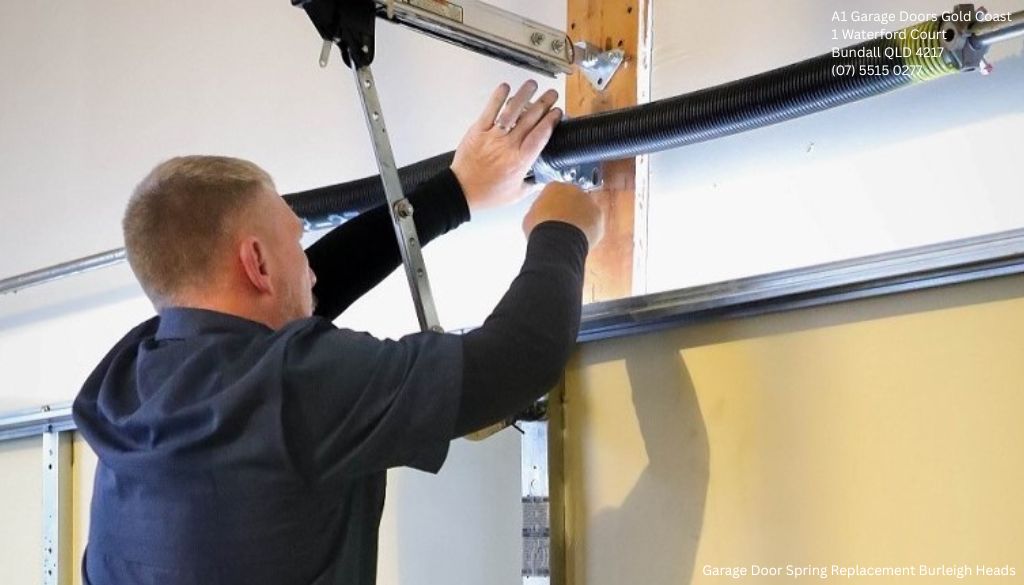
Safety sensors are maintenance items, not lubrication points
Automatic garage doors rely on safety systems as well as mechanical parts. Photoelectric sensors, commonly mounted near the floor on each side of the door opening, are designed to detect an obstruction in the closing path and reverse the door. Their purpose is different from hinges, rollers, or springs, so their maintenance is different too.
Sensor care means keeping lenses clean, maintaining alignment, and making sure nothing blocks the beam. It does not involve lubricant. Sprays can leave a film on sensor lenses, attract dust, or contaminate wiring connections. If a door reverses unexpectedly, refuses to close, or only closes when the wall button is held, the sensors may need cleaning, alignment, or further troubleshooting.
Safety requirements for automatic garage door openers exist because a closing door can injure people, pets, or property. Proper installation and maintenance of entrapment-protection devices are part of safe ownership. Lubricating the mechanical door does not replace sensor testing or opener safety checks.
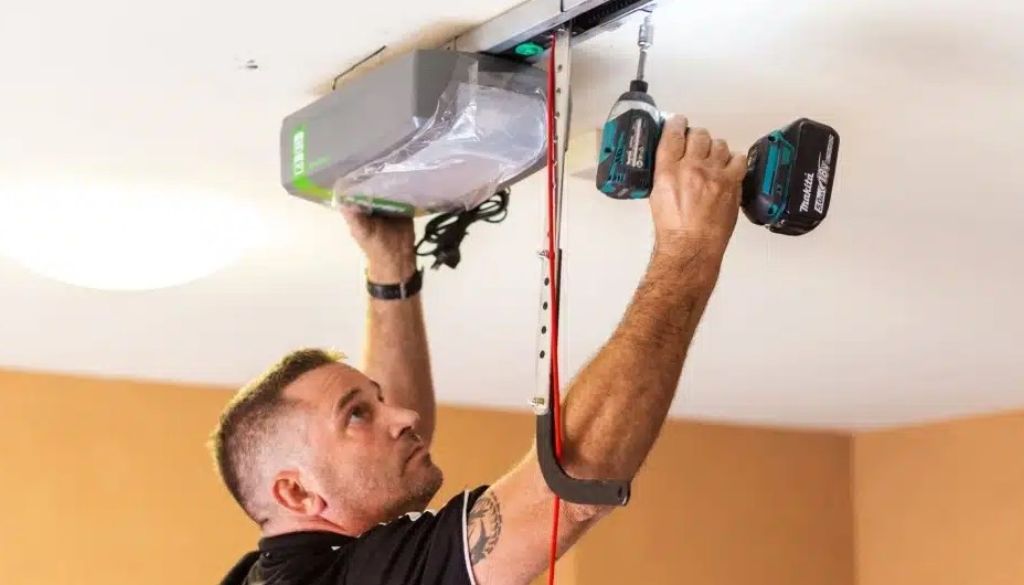
When performing garage door lubrication, keep spray cans pointed away from sensor housings. If overspray lands on a lens, wipe it gently. Do not move sensor brackets unless you are prepared to realign them correctly.
How lubrication fits into broader garage door maintenance
Lubrication is one part of garage door maintenance, alongside inspection, cleaning, operation checks, and safety testing. A door can be well lubricated and still unsafe if sensors are misaligned, springs are failing, cables are damaged, or tracks are bent.
The best habit is to treat lubrication as a chance to observe the whole system. Stand inside the garage with the door closed and look at the panels, hinges, rollers, tracks, cables, springs, and opener connection. Then watch and listen as the door runs through a full cycle. Smooth operation should look controlled, not strained. The door should not shake violently, catch in the tracks, or slam into position.
Maintenance also depends on use. A lightly used detached garage door may not need attention as often as a main household entry door that opens several times a day. Heavier doors, high-use doors, and older doors deserve closer observation. Torsion springs are often preferred for heavier or high-use doors, but they still require safe handling and periodic inspection.
Weather and garage conditions also matter. Dusty environments, frequent wind-blown debris, and damp conditions can affect how quickly parts collect grime or make noise. In those cases, cleaning before lubrication becomes even more important.
Common mistakes that shorten the value of lubrication
Many lubrication problems begin with good intentions. The homeowner hears noise, wants to prevent damage, and applies too much product too broadly. The door may sound better for a few days, then dirt begins clinging to excess lubricant.
These are the mistakes most worth avoiding:
A small amount of discipline prevents most of these errors. Aim the straw or nozzle carefully. Stop after a short spray. Cycle the door. Wipe away excess. If the sound or movement still feels wrong, shift from lubrication to troubleshooting.
When lubrication is not enough
A properly lubricated garage door should move more quietly, but it may not become silent. Some mechanical sound is normal. The important question is whether the sound is smooth and consistent or harsh and irregular.
Call for qualified help when the door binds in the tracks, the opener struggles, cables look damaged, springs appear broken, or the door feels heavy. These are not lubrication problems. They involve the lifting and guiding systems that allow the door to move safely.
Garage door installation quality also affects lubrication results. A poorly installed door may have track alignment issues, uneven roller loading, or hardware strain. Lubricant cannot compensate for incorrect installation. The same applies after garage door replacement. A new door still needs proper setup, correct balance, working safety systems, and periodic maintenance.
Persistent noise from one location is another warning sign. For example, if one roller always chatters at the same point in the track, the track may be dirty, bent, or misaligned. If one hinge squeaks again soon after lubrication, the hinge may be worn or loose. If spring noise is accompanied by uneven door movement, the spring system should be inspected.
Choosing the right product and applying the right amount
Look for a silicone-based lubricant suitable for garage door hardware. The label should make clear that it is a lubricant, not just a cleaner or water-displacing spray. A narrow spray straw helps with accuracy, especially around hinges and rollers.
The correct amount is usually less than homeowners expect. A hinge pivot needs a brief application. A roller bearing area needs a controlled shot, not a bath. A torsion spring needs a light coat across the accessible coils, not dripping coverage. After the door cycles, wipe visible excess.
Avoid mixing multiple products. If a part has old oily residue, adding silicone lubricant over the top may not give the clean result you want. Wipe away what you can first. If residue is heavy, the better maintenance task may be cleaning and inspection before lubrication.
Storage matters too. Keep the lubricant away from children and away from heat sources. That is basic household safety, but it matters in garages where chemicals, tools, and moving equipment often share tight space.
A realistic expectation for a well-maintained door
A healthy garage door does not need to sound brand new forever. It should, however, move without grinding, binding, or violent shaking. The opener should not sound like it is fighting the door. The rollers should travel smoothly. The hinges should pivot without sharp squeaks. The springs should do their balancing work without obvious distress.
Silicone-based lubricant helps maintain that standard when applied to the right places: hinge pivots, roller bearing areas, accessible spring surfaces, and appropriate metal contact points. It should stay off roller door repairs gold coast the tracks, sensors, damaged cables, and parts that require repair rather than maintenance.
The larger benefit is not just noise reduction. Lubrication invites closer attention. A homeowner who spends ten careful minutes with the door will often notice early signs of trouble before a small issue becomes an urgent garage door repair. That is the real value of good garage door maintenance: quieter operation, safer habits, and a longer useful life for a system the household depends on every day.