Garage Door Replacement Guide: Safety Systems and Maintenance Factors to Consider
A garage door replacement is often treated like a curb appeal project, and there is nothing wrong with wanting a better-looking door. A fresh door can change the face of a house. But after years of working around garage door systems, I would argue that appearance is only one part of the decision. The more important questions are mechanical and safety related: will the new door move smoothly, balance correctly, work safely with the opener, and remain serviceable through years of daily use?
A residential garage door is one of the largest moving assemblies in a home. It depends on a coordinated system of panels, tracks, rollers, hinges, cables, springs, brackets, sensors, and an opener. When everything is aligned and maintained, the door feels almost effortless. When one part is worn, neglected, or mismatched, the symptoms can spread quickly. A stiff door strains the opener. Poor garage door balance accelerates wear on rollers and hinges. Dirty tracks make movement uneven. A bad spring or cable can turn a routine service call into a serious safety issue.
Replacement is a good opportunity to reset the whole system, not just swap one door for another. The best results come from looking at the door, opener, safety devices, and maintenance requirements as one integrated installation.
Start with safety, not style
The first question I ask about any older automatic garage door system is whether the opener has modern entrapment protection. Non-reversing garage door openers are a known hazard. Automatic residential openers manufactured on or after January 1, 1993 became subject to revised entrapment-protection requirements, and UL 325 compliance became part of the federal safety framework. That date matters because many homes still have openers that are old enough to lack the safety features people now take for granted.
A modern garage door opener should include entrapment-protection features such as photoelectric sensors. These garage door sensors are usually mounted near the floor on both sides of the opening. When properly installed and aligned, they create an invisible beam across the door path. If a person, pet, bicycle, box, or other object interrupts the beam while the door is closing, the opener should stop or reverse according to its safety design.
Sensors are not decoration, and they are not optional accessories to be bypassed because they are inconvenient. If the door refuses to close because the sensors are misaligned, the answer is garage door troubleshooting, not defeating the safety system. I have seen homeowners tape buttons down, aim sensors around stored items, or treat blinking lights as a nuisance. Those habits turn a protective device into a false sense of security.
Garage door safety also depends on behavior. Children should be kept away from wall controls, remote controls, and moving doors. No one should walk, duck, or run under a moving door. People often assume a door will reverse every time, but safety systems depend on correct installation, alignment, power, maintenance, and mechanical condition. The safest practice is simple: keep the opening clear while the door moves.
Why the opener is not the muscle of the system
A common misunderstanding causes a lot of premature garage door repair. The opener is not supposed to lift the full dead weight of the door. The spring system carries that load by counterbalancing the door. The opener guides and controls movement. If the door is too heavy to move smoothly by hand, the opener is being asked to compensate for a mechanical problem.
This is why garage door balance should be checked before connecting or continuing to use an opener. A properly balanced door should move smoothly by hand when disconnected from the opener, within the limits of the manufacturer’s instructions and safe handling. If the door is difficult to lift, drops hard, shoots upward, binds, or will not stay in a reasonable position, the spring system may be out of balance. A door that does not move smoothly by hand can accelerate wear on garage door rollers, hinges, and related hardware.
That point becomes especially important during garage door replacement. A new door may be lighter or heavier than the old one. It may use different hardware. The spring system must match the door. Reusing springs without confirming compatibility is poor practice and can create problems immediately. A new door with an old, mismatched, or tired spring setup can behave badly from the first week.
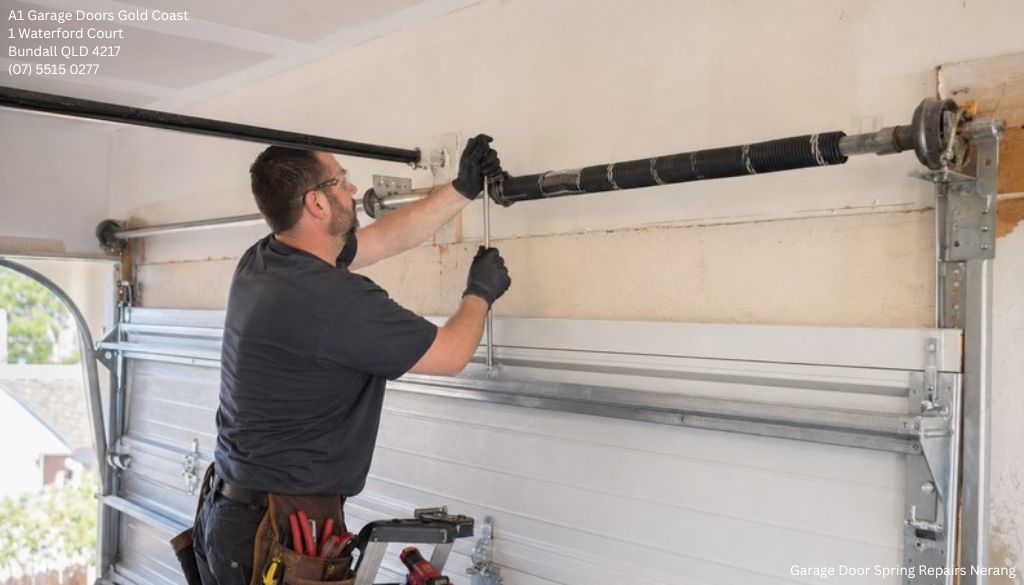
There is also a safety boundary here. Garage door springs, including torsion springs, are high-risk components. They store serious force. Cables are also high-risk because they work directly with the spring system and door weight. Broken springs, damaged cables, and jammed doors should not be treated as ordinary weekend repairs. Operating a door with a broken spring or damaged cable can make the damage worse and can place people nearby in danger.
The spring system deserves respect
Garage door springs are easy to ignore until they fail. They do not draw attention when they are doing their job. The door simply opens and closes. But springs are central to the whole system, and they affect nearly every other component.
Torsion springs are commonly associated with residential garage doors, and they are typically mounted above the door opening. Their job is to counterbalance the door through the shaft, drums, and cables. When adjusted correctly for the door, they make a heavy door manageable. When broken, worn, or misadjusted, they create symptoms that homeowners often misread as opener failure.
For example, a garage door opener may hum, strain, stop partway, or reverse. The first impulse may be to replace the opener. Sometimes the opener is the problem, but often the opener is reacting to a door that is no longer balanced or moving freely. A professional garage door inspection can separate an electrical or opener issue from a mechanical door issue.
Spring installation and adjustment are not the place to learn by trial and error. Manufacturers caution that DIY garage door installation requires careful reading of instructions, and spring installation or adjustment is especially hazardous. A skilled homeowner may be capable of many parts of a door project, but spring work is in a different category. So is cable replacement. Both should be left to qualified professionals.
Safety systems to review before replacement
Before choosing panels, windows, colors, or insulation options, it is worth reviewing the safety side of the system. The garage door and opener must work together, and an older opener may not be appropriate for a new door if it lacks required safety features or if its performance is poor.
Use this short checklist when evaluating an existing setup before garage door replacement:
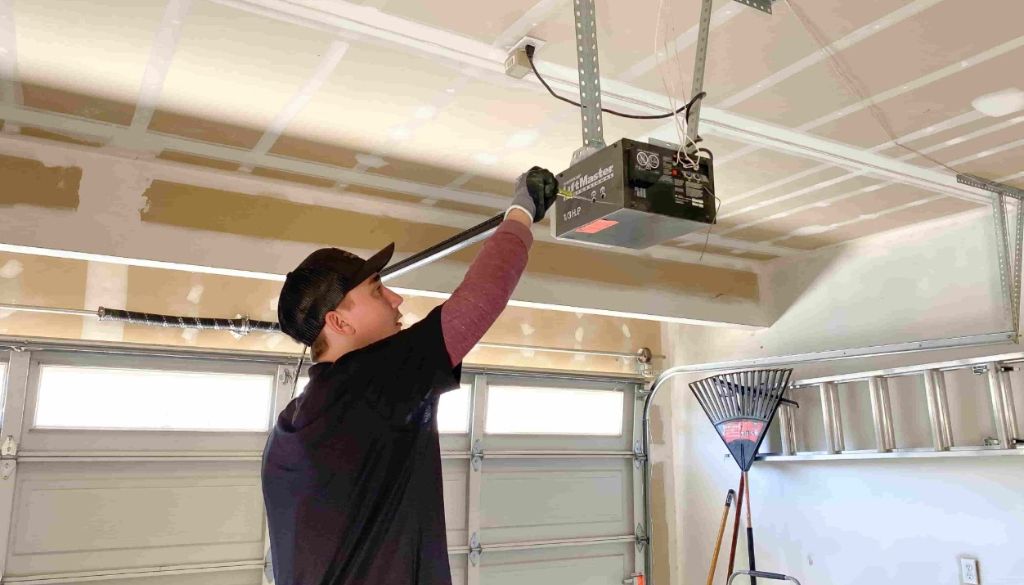
That checklist is not a substitute for a professional evaluation, but it helps identify obvious red flags. If any of those items fail, replacement planning should include corrective work rather than assuming the new door alone will solve the issue.
Opener troubleshooting during a replacement decision
Garage door opener symptoms can be misleading. A door that reverses unexpectedly might have sensor trouble, track obstruction, binding rollers, or a balance issue. A door that will not close may have misaligned garage door sensors. A door that stops mid-travel may be reacting to resistance in the door, not necessarily a failed motor.
The owner’s manual matters more than many people think. Opener manufacturers provide specific guidance for safe operation, maintenance, and troubleshooting. The manual can explain indicator lights, sensor alignment signals, and operating limits. Guessing at adjustments without understanding the opener can make a minor problem harder to diagnose.
A practical way to think about garage door troubleshooting is to separate the system into two halves. The door itself includes the panels, hinges, tracks, rollers, cables, and springs. The opener includes the motor unit, rail or drive system, controls, sensors, and safety logic. The opener should not be used to force a door that is jammed, out of balance, or mechanically damaged. If the door does not move smoothly by hand, start with the door system.
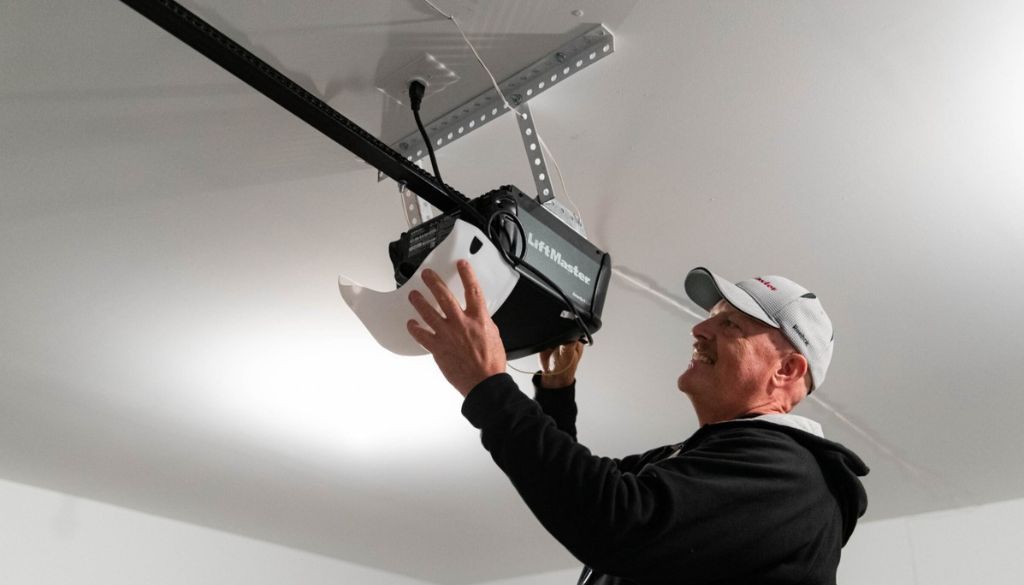
During replacement, some homeowners keep the existing opener to save money. That can be reasonable if the opener is modern, compliant, functioning correctly, and suitable for the new door. But if the opener lacks current entrapment protection, has unreliable safety sensors, or has been struggling against a heavy or poorly balanced door, keeping it may be false economy. A new door deserves an opener that operates safely and does not mask mechanical problems.
Tracks, rollers, and the quietness people notice every day
People often ask for a quieter garage door after living with years of rattling, popping, and grinding. Noise can come from many places, and replacement is an ideal time to address them. Garage door tracks and garage door rollers have a major influence on sound and smoothness.
Tracks should guide the rollers, not fight them. Dirt and debris in the tracks can interfere with movement. Bent, loose, or misaligned tracks can make the door bind or shake. Routine garage door maintenance should include inspecting tracks, hinges, rollers, bolts, and brackets, tightening loose hardware where appropriate, and cleaning dirt from tracks. The goal is not to make the tracks slippery. In fact, lubrication guidance is consistent on this point: do not lubricate the tracks. Tracks should be clean, not greased.
Rollers vary in material and condition. Worn rollers can chatter through the track. Damaged rollers can cause rough travel and additional strain on hinges and brackets. High-quality nylon rollers are often recommended for quieter operation. There is one important maintenance distinction, though: nylon rollers may be a special case, and at least one manufacturer advises not to lubricate nylon rollers. That is why product instructions matter. A general habit of spraying every moving part can create grime, attract dirt, or conflict with the roller design.
A quiet door usually comes from a combination of correct balance, clean tracks, sound rollers, secure hinges, proper lubrication, and an opener that is not straining. Replacing only the opener on a noisy mechanical system rarely produces the result homeowners expect.
Lubrication is simple, but easy to overdo
Garage door lubrication is one of the most useful maintenance tasks a homeowner can understand, and also one of the most commonly overdone. The right lubricant in the right place can reduce friction, noise, and wear. The wrong product or careless application can make a mess and collect abrasive debris.
Manufacturer guidance commonly points to silicone-based lubricant or white lithium grease for appropriate moving parts such as hinges, rollers, springs, and bearing plates, depending on the specific system and product instructions. Excess lubricant should be wiped off. More is not better. A thin, controlled application is usually preferable to soaking the hardware.
The tracks should not be lubricated. Grease inside tracks tends to attract dirt and can interfere with smooth roller movement. Tracks should be cleaned of dirt and debris instead. This is one of those small maintenance details that separates a tidy, reliable system from one that slowly turns into a sticky, gritty mess.
Lubrication also is not a cure for mechanical faults. If a door binds, drops, pulls crooked, or refuses to stay balanced, lubricant will not fix the underlying issue. It may quiet a symptom for a short time while the hardware continues to wear. In those cases, garage door inspection is the better next step.
Panel damage and when replacement makes more sense than repair
Panel damage raises a judgment call. A small dent, cosmetic blemish, or isolated damaged panel may lead a homeowner to consider repair. But panel problems should be viewed in context. If the door is old, noisy, unbalanced, poorly maintained, or paired with an outdated opener, replacing a panel may not be the best use of money.
Panel damage can also affect movement if it changes the shape or stiffness of the door section. A door that no longer sits correctly in the tracks or binds during travel needs more than cosmetic attention. The safest approach is to stop forcing the opener and evaluate the mechanical system.
Garage door replacement often makes more sense when several issues converge. For instance, an older door with worn rollers, tired hardware, questionable balance, and visible panel damage may be serviceable in theory, but repairs can stack up quickly. On the other hand, a newer door with one damaged section and otherwise sound hardware may be a better candidate for targeted garage door repair. The decision should account for safety, age, condition, availability of compatible parts, and the condition of the opener.
Installation basics: what skilled homeowners should understand
DIY garage door installation is possible for skilled homeowners, but it is not casual work. Manufacturers caution that it requires careful reading of instructions. Every door system has details that matter: bracket locations, track alignment, hinge placement, cable routing, opener connection, sensor placement, and spring setup. Small mistakes can become serious when a heavy moving door enters the picture.
The highest-risk portion is spring installation and adjustment. That warning cannot be softened. Springs and cables store and transfer force. Improper handling can cause injury and damage. Even homeowners comfortable with carpentry, fastening, and alignment often choose professional garage door installation for this reason.
There is also a quality argument for professional installation. A new door that is slightly out of square, poorly balanced, or running in misaligned tracks may work at first, then begin wearing components faster than expected. A proper installation should leave the door moving smoothly by hand, balanced correctly, and integrated with the opener’s safety systems.
When comparing installation quotes, the cheapest number does not always represent the safest or most durable result. The scope matters. Does it include inspection of existing tracks and hardware? Are springs matched and adjusted properly for the new door? Are garage door sensors installed and tested? Is the opener suitable for the door? These questions affect long-term performance more than a small difference in the initial price.
Maintenance after replacement: protect the investment
A new door should not be treated as maintenance-free. It may need less immediate attention than the old one, but it still depends on moving hardware. Routine garage door maintenance helps preserve smooth movement and reduces strain on the opener.
A practical maintenance routine includes visual inspection of tracks, hinges, rollers, bolts, brackets, cables, and springs. Loose hardware should be tightened where safe and appropriate. Dirt and debris should be cleaned from tracks. Lubrication should be applied according to manufacturer guidance, using silicone-based lubricant or white lithium grease where recommended, wiping away excess, and avoiding the tracks. Nylon rollers should be handled according to their specific instructions, since some should not be lubricated.
Balance should remain part of ongoing awareness. If the door begins to feel heavy, jerky, or uneven, do not assume the opener needs adjustment. A door that does not move smoothly by hand can signal a spring or balance problem, and continuing to run it with the opener can wear rollers, hinges, and other hardware faster. If the door is jammed or a spring is broken, do not operate it.
Maintenance also includes the opener and safety devices. Sensors should remain aligned and unobstructed. Controls should be kept away from children. The owner’s manual should be consulted for regular opener maintenance and safe operation. A replacement door is only as safe as the system around it.
A short seasonal inspection routine
A homeowner does not need to become a technician to notice early warning signs. A few minutes of careful observation can catch small issues before they become urgent garage door repair calls.
If anything looks unsafe, stop there. Visual inspection is useful, but it should not lead into spring adjustment, cable work, or forcing a jammed door.
Smart open-close technology and practical safety
Smart garage door technology can be useful, especially for households that frequently wonder whether the door was left open. Remote status checks and open-close garage door repair controls add convenience. They can also help reduce the habit of turning around halfway down the street to confirm the door is shut.
Still, smart features do not replace mechanical safety. A connected opener must still have functioning entrapment protection, including photoelectric sensors where required. The door still needs proper balance. Springs, cables, rollers, tracks, hinges, and brackets still need inspection and maintenance. Smart controls should also be managed carefully so children cannot operate the door unsafely.
The practical rule is to treat smart technology as a control layer, not a safety substitute. If the door is binding, unbalanced, jammed, or operating with a broken spring, remote operation does not make it safer. It may make it easier to create a problem from a distance. A safe smart system starts with a mechanically sound door and a properly maintained opener.
When repair is enough and when replacement is the better call
There is no single age or symptom that automatically decides repair versus replacement. The right answer depends on the condition of the full system. Garage door repair may be appropriate when the door is generally sound and the issue is isolated, such as a sensor alignment problem, a worn roller, loose hardware, or a lubrication-related noise. Replacement becomes more compelling when several failures overlap or when safety systems are outdated.
A door with a non-reversing opener or missing modern entrapment protection deserves immediate attention. An improperly balanced door should not be used with an opener until corrected. A system with broken springs or damaged cables needs professional service, not repeated attempts to operate it. A door with rough hand movement, worn rollers, noisy hinges, and track issues may be telling you that the system is nearing the end of practical service.
The best replacement decisions tend to be made before complete failure. Waiting until a spring breaks, a cable fails, or a door jams in the opening can force rushed choices. Planning ahead allows time to evaluate the opener, choose suitable hardware, consider noise reduction, and schedule proper garage door installation.
What a good replacement plan should include
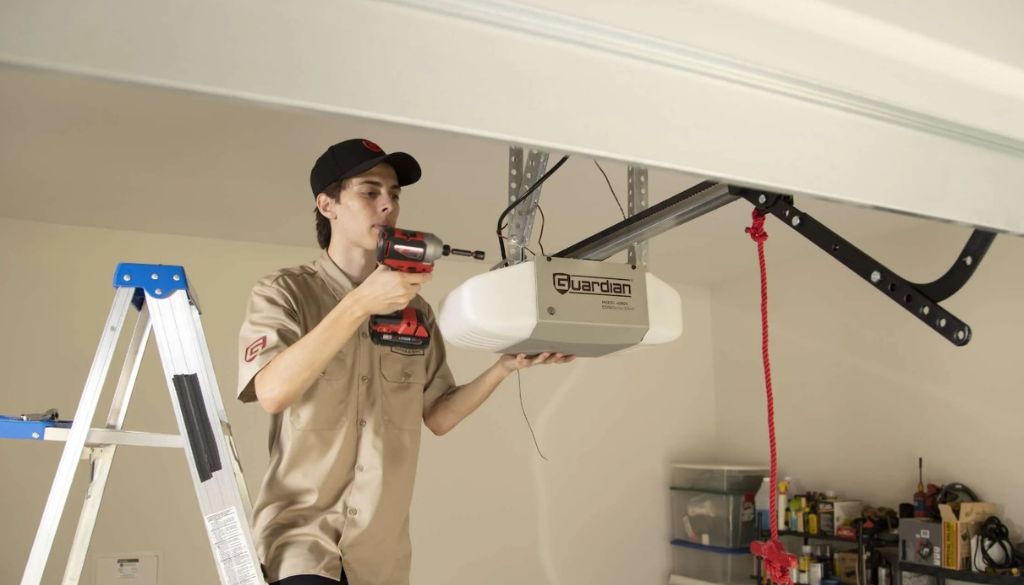
A strong garage door replacement plan looks beyond the door slab. It addresses the complete operating system. The new door should match the opening, move correctly in its tracks, use hardware appropriate to the door, and be balanced by a spring system designed and adjusted for its weight and configuration. The opener should include proper safety features and should not be asked to compensate for poor mechanics.
The plan should also account for maintenance expectations. Homeowners should know what parts to inspect, where lubrication belongs, where it does not, and which components are unsafe to service themselves. They should understand that garage door springs and garage door cables are professional-service items. They should know how to keep garage door sensors clear and aligned, and they should treat the owner’s manual as part of the system, not paperwork to throw in a drawer.
The most successful replacements I have seen are the ones where the homeowner thinks in systems. They do not buy the door as an isolated product. They ask how it will balance, how it will sound, how it will work with the opener, how the sensors will be protected from storage clutter, and what maintenance will keep it moving smoothly. Those questions lead to safer, quieter, longer-lasting results.
A garage door can look simple from the driveway, but the system behind it deserves careful attention. Replacement is the right time to correct old shortcuts, update safety systems, address worn hardware, and set a maintenance routine that keeps the door reliable. Done well, the new door should not just improve the look of the house. It should move cleanly, reverse safely, operate without strain, and give the opener an easier life every time it runs.