Chapter 1 : Principle of Agriculture
Topics covered in this snack-sized chapter:
Plants are one of the two groups into which all living things have been traditionally divided; the other is animals.
Plants are also called as green plants which are living organisms of the kingdom Plantae including such multicellular groups as flowering plants, conifers, ferns and mosses, as well as, depending on definition, the green algae.
Green plants have cell walls with cellulose and characteristically obtain most of their energy from sunlight via photosynthesis using chlorophyll contained in chloroplasts, which gives them their green color.
Some plants are parasitic and may not produce normal amounts of chlorophyll or photosynthesize.
The principle of cultivation is to turn and break down the soil to a fine tilth to provide the ideal environment for seeds to germinate.
Soil cultivation (or digging) is mainly carried out to bury weeds and debris. This is usually followed by surface preparation for sowing and planting.
What does cultivation do?
- The idea is to increase the surface area or increase the macro pore space to facilitate infiltration and percolation, and to increase air diffusion into the soil.
Tillage is mechanical manipulation of soil-in agriculture; it is usually restricted to modifying soil conditions for crop production.
It is believed to improve water infiltration and retention of rain water.
Tillage alters soil porosity (assuming a crust is present), thus allowing a good exchange between soil air and atmospheric air.
Tillage should provide proper conditions for seed germination, particularly a good water‑to-air balance. Tilled soil offers little resistance to seedling emergence or root penetration.
Tillage provides some weed control and incorporation of plant residue.
Intensive tillage
Reduced tillage
Conservation tillage
Plowing loosens and aerates the top layer of soil which can facilitate the planting of the crop Erosion of soil.
It is a mechanical way used for destroying weeds.
Dries the soil before seeding.
Dries the soil before seeding.
Erosion of soil.
Compaction of the soil, also known as a tillage pan.
Decreases the water infiltration rate of soil.
Agricultural chemistry is the study of both chemistry and biochemistry which are important in agricultural production, the processing of raw products into foods and beverages, and in environmental monitoring and remediation.
Agricultural chemistry often aims at preserving or increasing the fertility of soil, maintaining or improving the agricultural yield, and improving the quality of the crop.
Agricultural chemistry includes the application of chemical fertilizer, chemical insecticides, and chemical fungicides, soil makeup, analysis of agricultural products, and nutritional needs of farm animals.
Animal dung has been used for centuries as a fertilizer for farming, as it improves the soil structure (aggregation), so that it holds more nutrients and water, and becomes more fertile.
Animal manure also encourages soil microbial activity, which promotes the soil's trace mineral supply, improving plant nutrition.
It also contains some nitrogen and other nutrients that assist the growth of plants.
Germination is the process by which plants, fungus and bacteria emerge from seeds and spores, and begin growth.
The most common example of germination is the sprouting of a seedling from a seed of an angiosperm or gymnosperm.
Germination is the growth of an embryonic plant contained within a seed; it results in the formation of the seedling.
In agriculture and gardening, the germination rate describes how many seeds of a particular plant species, variety or seed lot are likely to germinate.
A legume is a plant in the family Fabaceae (or Leguminosae), or a fruit of these specific plants.
Many legumes (alfalfa, clover, peas, beans, lentils, soybeans, peanuts and others) contain symbiotic bacteria called Rhizobia within root nodules of their root systems.
These bacteria have the special ability of fixing nitrogen from atmospheric, molecular nitrogen (N2
) into ammonia (NH3
).
The chemical reaction is:
N2
+ 8 H+
+ 8 e−
 2 NH3
+ H2
2 NH3
+ H2
Ammonia is then converted to another form, ammonium (NH4
+
), usable by (some) plants by the following reaction:
NH3
+ H+
NH4
+
This arrangement means that the root nodules are sources of nitrogen for legumes, making them relatively rich in plant proteins.
Agricultural pests are insects that harm the crop or do damage to agricultural products.
Often animals are derided as pests as they cause damage to agriculture by feeding on crops or parasitizing livestock, such as codling moth on apples, or boll weevil on cotton.
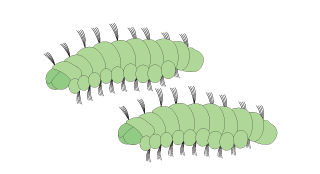
Pest
Four major Pest categories:
- Weeds, undesirable plant.
- Invertebrates, such as Insects, Spiders and mites, Sowbugs, pillbugs, Snails, slugs, and mussels.
- Vertebrates, such as: Birds, Snakes Fish, Rodents and other mammals.
- Plant Diseases, Pathogens – living agents such as Fungi, Bacteria, Viruses, Nematodes, Phytoplasmas and Non-living agents such as cold, heat, pollutants, dog urine etc.
Some insects feed directly on the plants, for example caterpillars eat leaves or damage fruits, and aphids suck juices from the plant with their beak-like mouthparts.
Other insects do damage because they can transmit plant diseases, for example whiteflies and aphids can transmit virus diseases from one plant to another.
Also the harvested crop can still be attacked by insects. All kind of storage insects such as the rice weevil and the rice moth can cause big damage to stored rice and other grains.
A pest management philosophy that utilizes all suitable pest management techniques and methods to keep pest populations below economically injurious levels.
Why Practice IPM?
- Maintains balanced ecosystems
- Pesticides alone may be ineffective
- Promotes a healthy environment
Management Strategies
Monitoring and tracking of existing populations allows for early detection of infestation and allows for better determining the quantity and timing of any insecticides that may be used.
Two strategies are to trap for monitoring purposes or to reduce the number of insects present. Capturing a large portion prevents injurious numbers from infesting the area.
Reduces the number of damaging larvae and adults that will be present in future generations.
Assure plants are not infected prior to planting. This minimizes the change for introducing new pests to the area.
Plant a different crop every other year to minimize adaptation of the pests.
Cover plants with material to block the pests from the plants.
Introduce natural predators that will feed on the insects.
Attract and trap the pest to physically reduce their population in the affected area.
Genetically modified plants:
They have resistance to the pest thus reducing damage that would be inflicted.
Introduce natural agents to the area that are harmful to the pests.
Remove and dispose of the pests.
Alter the environment to favor the population of natural predators and minimize that of the pest.
Apply chemical agents.
This is normally considered one of the least preferred methods due to coat and environmental concerns.