Chapter 2 : Signs and Symptoms
Topics covered in this snack-sized chapter:
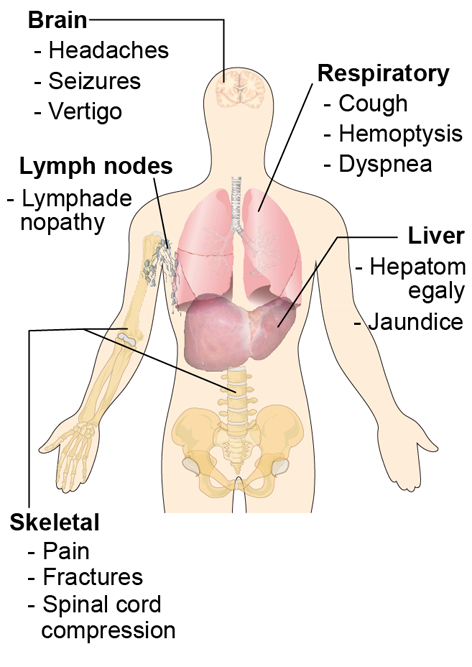
Cancer is a broad term that encompasses over one hundred different types of cancer.
Although each type has its own set of characteristics, there are some cancer symptoms that occur in many types of cancer.
An unexplained weight loss of 10 pounds or more may be the first sign of cancer, particularly cancers of the pancreas, stomach, esophagus, or lung.
A fever that is persistent or one that comes and goes frequently can signal stress on the immune system.
Less often, fever may be an early sign of cancer, such as with leukemia or lymphoma.
May happen early in cancers such as leukemia, or if the cancer is causing an ongoing loss of blood such as in colon or stomach cancers
May be an early symptom in some cancers such as bone or testicular cancer
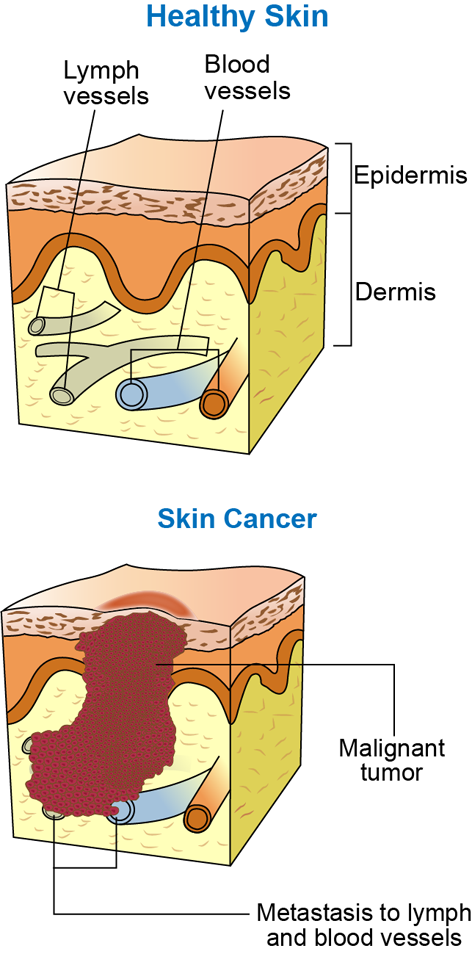
Cancers of the skin, and some internal cancers can cause signs visible on the skin, including darker skin, yellow or red skin, as well as itching or excessive hair growth.
Long-term constipation, diarrhea, or a change in the size of the stool may be signs of colon cancer.
Pain with urination, blood in the urine, or a change in bladder function, including more or less frequent urination, could be related to bladder or prostate cancer.
Skin cancers may bleed and look like sores that do not heal.
A long-lasting sore in the mouth could be an oral cancer.
Sores on the penis or vagina may either be signs of infection or an early cancer.
Unusual bleeding or discharge
Unusual bleeding can occur in either early or advanced cancer
- Blood in the phlegm may be a sign of lung cancer
- Blood in the stool, or a dark or black stool, could be a sign of colon or rectal cancer
- Cancer of the cervix or the endometrium (lining of the uterus) can cause vaginal bleeding
- Blood in the urine may be a sign of bladder or kidney cancer
- A bloody discharge from the nipple may be a sign of breast cancer
Thickening or Lump in Breast or Other Parts of the Body
Some cancers can be felt through the skin, mostly in the breast, testicle, lymph nodes (glands), and the soft tissues of the body
A lump or thickening may be an early or late sign of cancer
Indigestion or Trouble Swallowing
Indigestion or swallowing problems may be a sign of cancer of the esophagus, stomach, or pharynx (throat)
Nagging Cough or Hoarseness
A cough that does not go away may be a sign of lung cancer
Hoarseness can be a sign of cancer of the larynx (voice box) or thyroid
A chronic cough with blood or mucus can be symptom of lung cancer
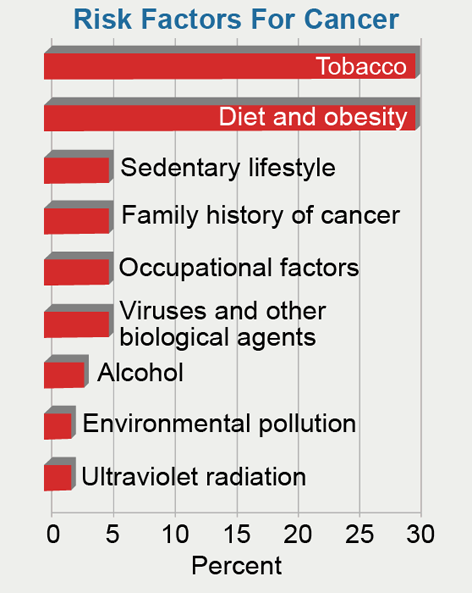
A risk factor is something that increases chances of getting a disease
Smoking causes 30% of all cancer deaths in the U.S. and is responsible for 87% of cases of lung cancer
It can cause kidney, pancreatic, cervical, and stomach cancers and acute myeloid leukemia
Obesity is a major cause for many cancers.
Exercising on a regular basis can prevent prostate, colon, breast, endometrial and lung cancer.
When cancer is genetic, a mutated gene has been passed down.
If you have a family history of cancer, such as breast cancer, taking extra precautions is vital.
Exposure to asbestos and a group of minerals found in housing and industrial building materials can cause a variety of medical problems, such as mesothelioma.
People who are exposed to high amounts of benzene are at risk for cancer.
Practicing unsafe sex can increase risk of developing a virus called “HPV” (human papillomavirus).
HPV increases your risk factor for cervical, anal, vulvar and vaginal cancer.
Skin cancer is caused by exposure to the UV rays of the sun.
Avoid tobacco
Control diet and weight
Exercise regularly
Protect skin from sun
Avoid environmental and occupational carcinogens
Be aware of warning signs and get recommended screening tests