Chapter 2 : Causes and Symptoms
Topics covered in this snack-sized chapter:
- Causes of Cold and Flu
- Causes of Common Cold
- Rhinoviruses
- Coronaviruses
- Allergies and Stress
- Causes of Flu
- How does the Flu Virus Spread?
- Why Do People usually get the Flu in winter?
- Infectious Causes of Flu-like Symptoms
- Other Causes of Flu-Like Symptoms
- Cold: Symptoms
- Flu: Symptoms
- Difference between the Cold and Flu Symptoms
- Colds are caused by a number of different viruses, but especially rhinoviruses ("rhino" is Greek for nose, so these are "nose viruses").
- Flu is caused by influenza viruses.
- Low vitality,
- Exposure to low temperatures,
- Lack of sleep,
- Depression,
- Fatigue,
- Factors like unexpected alterations in temperature, dust and other irritating inhalations.
- The flu virus survives for longer periods indoors in winter because the relative humidity of indoor air is very low in comparison to the outside air.
- The flu virus may stay suspended in the air for prolonged periods and thus infect others by being inhaled. The flu virus droplets can also infect by landing on sensitive body areas such as the eyes, nose or mouth.
- In winter, humans tend to be indoors more and thus have closer contact with each other, which makes it easier for the flu virus to spread.
- Appendicitis,
- Bronchitis,
- Common cold (viral respiratory infection),
- Influenza,
- Meningitis (infection or inflammation of the sac around the brain and spinal cord),
- Pneumonia,
- Septic arthritis (infectious arthritis),
- Sexually transmitted diseases, such as genital herpes and HIV/AIDS,
- Tuberculosis (serious infection affecting the lungs and other organs),
- Urinary tract infection.
- Cancer, such as leukemia or lymphoma,
- Chronic fatigue syndrome,
- Inflammatory bowel disease (includes crohn’s disease and ulcerative colitis),
- Rheumatoid arthritis (chronic autoimmune disease characterized by joint inflammation),
- Systemic lupus erythematosus (disorder in which the body attacks its own healthy cells and tissues).
| Symptoms | Cold |
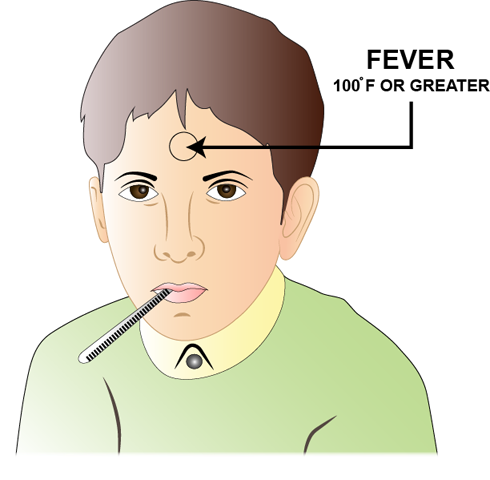
| Fever | Common in children |
| Muscle Aches | Mild, infrequent |
| Fatigue | Mild, brief |
| Nausea, Vomiting, and Diarrhea | Uncommon |
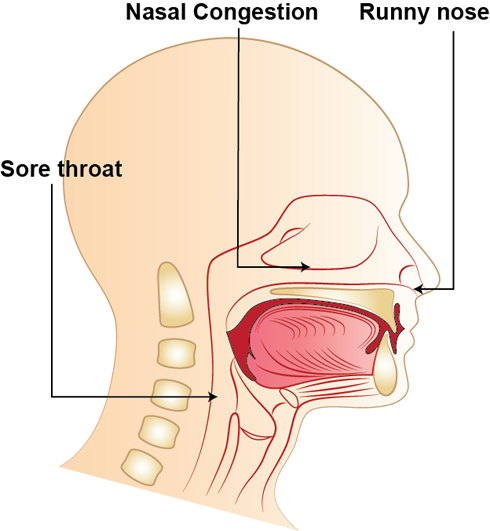
| Congestion, runny nose, sore throat | Common especially in the early stages of illness |
| Symptoms | Flu |
| Fever | Common in children and adults |
| Muscle Aches | Very common, often severe |
| Fatigue | Can be severe and last several weeks |
| Nausea, Vomiting and Diarrhea | Common, especially in children |
| Congestion, runny nose, sore throat | Common, but late in course of illness |
| Symptoms | Cold | Flu |
| Aches, pains | Slight | Common, often severe |
| Chest Discomfort | Mild to moderate | Common to severe |
| Chills | Rare | Common |
| Cough | Hacking (a short, weak repeating cough), productive cough (cough that produce phlegm) | Dry, unproductive cough (cough not accompanied by expectoration) |
| Extreme exhaustion | Never | Early and prominent |
| Fatigue | Mild | Moderate to severe, can last up to 2-3 weeks |
| Fever | Rare | Common, high (102-104F or 39-40C); lasts for days |
| Headache | Rare | Common |
| Sneezing | Common | Sometimes |
| Sore throat | Common | Sometimes |
| Stuffy nose | Common | Sometimes |
| Other possible health problem | Usually no | Pneumonia, bacterial infections, or hospitalizations |