Topics covered in this snack-sized chapter:
Cold and flu are common ailments during the colder months. Since both are viral in nature, neither can be treated with antibiotics.
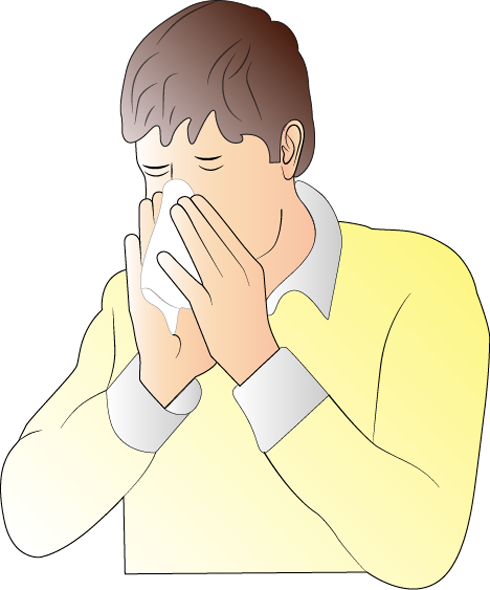
A cold is a viral infection of the upper respiratory tract, caused due to rhinoviruses and coronaviruses.
It is also recognized as:
- Acute viral rhinopharyngitis
The symptoms of a cold develop slowly and can include:
- Running or stuffy nose (often with green- or yellow-colour discharge)
The flu is a respiratory illness caused by the influenza virus.
The flu is not the same as a cold, although they share many of the same symptoms.
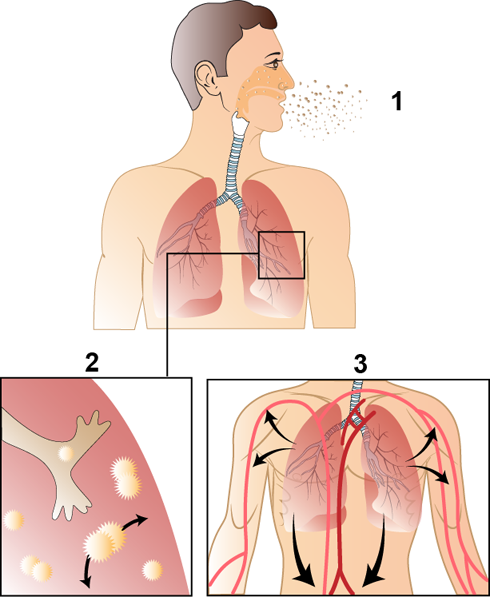
Fig: How the flu works
1. The virus enters the respiratory tract.
2. After entering the respiratory tract, the virus starts to replicate itself. The respiratory tract becomes swollen and inflamed.
3. Once inside the respiratory system, the virus enters the bloodstream. The first symptoms begin to show.
Flu symptoms usually appear suddenly and can include:
- Muscle aches, especially in your back, arms and legs
Viruses cause cold and flu. More than 200 different viruses can cause cold. Not as many viruses cause the flu.
Flu is caused by the influenza virus.
The infections are contagious, passed on by tiny droplets and hand contact.
The cold is caused by a different virus, and it tends to have milder symptoms than the flu.
Colds are also less likely to cause serious complications.
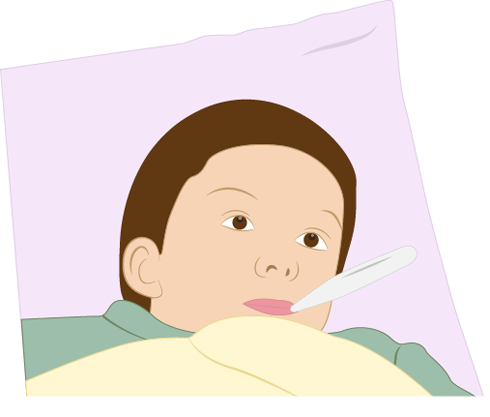
High fever (above 103°F), or fever that lasts for more than 3 days.
Symptoms that last for more than 10 days.
Trouble breathing, fast breathing or wheezing.
Bluish skin colour.
Earache or drainage from the ear.
Changes in mental state (such as not waking up, irritability or seizures).
Flu-like symptoms that improve, but return with a fever and a worse cough.
Worsening of a chronic medical condition (such as heart disease).
Vomiting or abdominal pain.
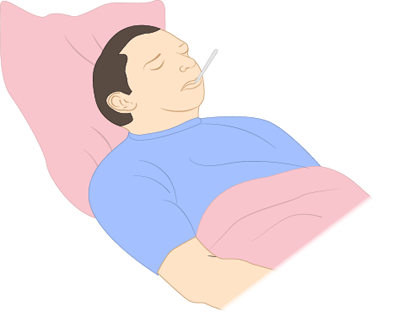
A high, prolonged fever (above 102°F) with fatigue and body aches.
Symptoms that last for more than 10 days or get worse instead of improve.
Trouble breathing or shortness of breath.
Pain or pressure in the chest.
Fainting or feeling like you are about to faint.
Confusion or disorientation.
Severe or persistent vomiting.
Severe sinus pain in your face or forehead.
Very swollen glands in the neck or jaw.
Get plenty of rest, especially while you have a fever. Rest helps your body fight infection.
Stop smoking and avoid secondhand smoke, which can make cold symptoms worse.
Drink lots of fluids such as water and clear soups. Fluids help loosen mucus. Fluids are also important because they help prevent dehydration.
Gargle with warm salt water a few times a day to relieve a sore throat. Throat sprays or lozenges may also help relieve the pain.
Avoid Alcohol
- With the possible exception of the Scottish folk remedy, the “hot toddy,” this claims to help relieve a cold.
- Of course, it still has alcohol in it, so it really depends how much faith you have in the healing powers of the drunk & Scottish.
- It should definitely be preceded and followed by lots of water, to neutralize the dehydrating effects of the alcohol.
Use saline (salt water) nose drops to help loosen mucus and moisten the tender skin in your nose.