Chapter 2 : Basic Measures and Tips of First Aid
Topics covered in this snack-sized chapter:
- Life and death
- Rapid versus prolonged recovery
- Temporary versus permanent disability.
Scene Safety
Help from Others

- Below are some general guidelines:
- If the victim is responsive, introduce yourself and offer help
- If the victim agrees proceed with First Aid administration
- If person is unresponsive, assume that your help is needed and proceed with First Aid/CPR.
- Survey the Scene
- Primary survey of the victim
- Contacting Emergency Medical Services (EMS)
- Secondary survey of the victim.
- The Safety
- Take a look around to ensure the surrounding area is safe for the rescuer as well as the victim.
- The Type of Injury
- This observation is important to understand the reason for sustained injury: automobile accident, electric shock, fall, fire, etc.
- The Location
- Make sure you are aware of your location to help emergency responders locate you.
- A- Airway
- B- Breathing
- C- Circulation
- Respiratory system
- Circulatory system
Airway
Breathing
- Unresponsive, not breathing
- Perform CPR (Cardiopulmonary Resuscitation)
- Unresponsive, breathing normally
- Place in recovery position
Circulation
- The actual location, be as specific as possible
- Telephone number
- Caller's name
- The reason for the call
- Number of victims
- Condition of victim(s)
- First Aid provided to the victim.
CPR
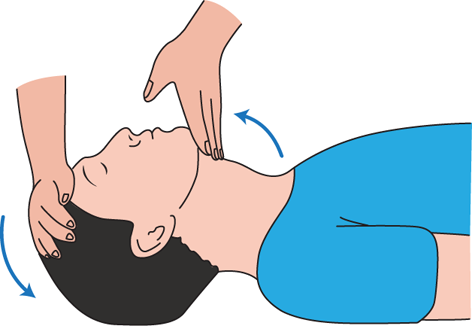
Fig 1: Tilt the head back and lift the chin until the teeth almost touch. Look and listen for breathing
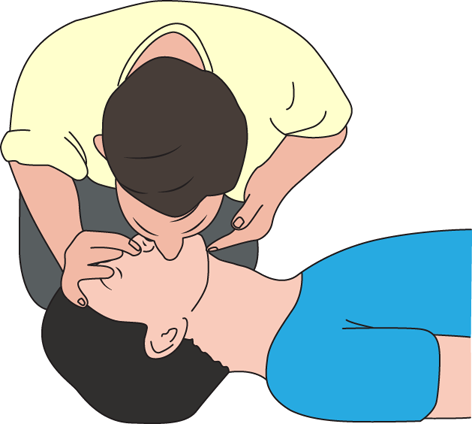
Fig 2: If the person is not breathing, pinch the nose closed and cover the person’s mouth with yours. Give 2 full breaths
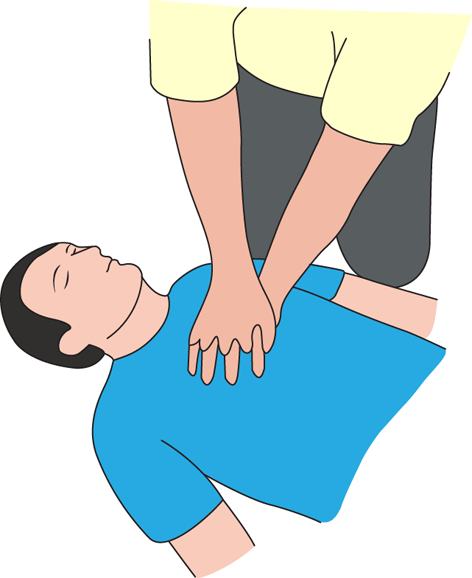
Fig 3: Put your hands in the center of the person’s chest. Place one hand on top of the other
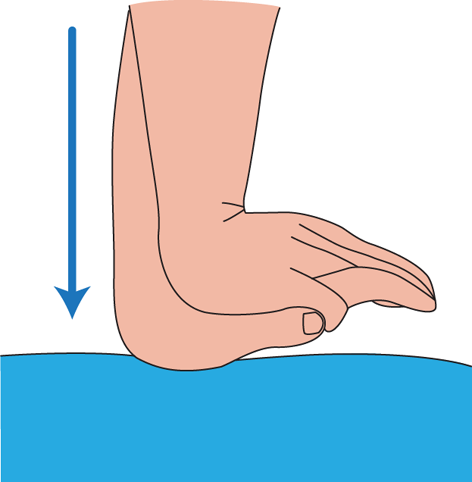
Fig 4: Push down 30 times. Continue with 2 breaths then 30 pushes until medical help arrives or the person starts moving
- Victim is unconscious
- Victim is not breathing
- Victim has no pulse
A few basic first aid tips to be considered:
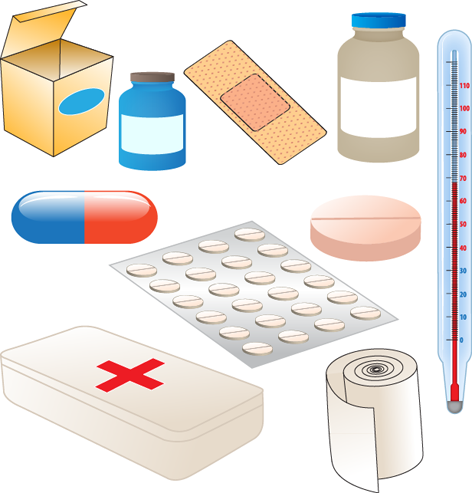
- It should have basic medicines which are readily accessible
- Assess the scene and determine the prevalent hazards.
- Whenever possible, wear gloves to protect yourself from blood and other bodily fluids.
- Make sure the tongue does not block the victim's airway and that the mouth is free of any secretions and foreign objects.
- It's important that the person is breathing freely.
- And if not, administer artificial respiration promptly.
- Act fast if the victim is bleeding severely, swallowed poison or his heart or breathing has stopped.
- The person who calls the doctor should explain the nature of the emergency and ask for advice on what should be done by the time the ambulance arrives.
- Fluids may enter his windpipe and cause suffocation
- Don't try to arouse an unconscious person by slapping or shaking
- To find out if the victim is allergic to medicines or has any serious health problems that require special care.
- The only thing one should put on a burn is cold water
- Put the affected area under cold running water for at least ten minutes
- The only accurate way to diagnose a broken limb is to x-ray it
- If suspect a broken bone, try to support the injury with a cushion or items of clothing to prevent unnecessary movement
- This will make it bleed more
- Instead put pressure on the wound with whatever is available to stop or slow down the flow of blood
- Keep pressure on the wound until help arrives
- If one put the head back during a nosebleed, all the blood goes down the back of the airway
- Instead advise them to tilt their head forwards and ask the person to pinch the end of their nose and breathe through their mouth
- If you make someone sick by putting your fingers in their mouth, the vomit may block their airway
- The best thing to do is get medical advice and find out what poison was taken, at what time and how much
- It's difficult in emergency situations for non-medics to assess whether a person’s heart is beating
- It isn’t dangerous to do chest compressions on a casualty whose heart is beating
- The most important need is common sense
- Can learn enough first aid in a few minutes to save someone's life –
- Whether it’s from a book
- Attending a course
- Watching videos online
- There are lots of ways to improvise anything a person need.