Chapter 1 : First Aid Introduction
Topics covered in this snack-sized chapter:
First Aid is the provision of initial care for an illness or injury.
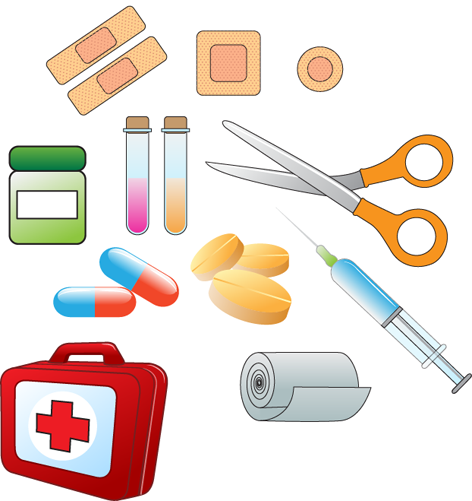
Injury is any damage inflicted on the body as the direct or indirect result of an external force, with or without disruption of structural continuity.
Unintentional injury is the fifth leading cause of death in the United States.
The first few minutes after an injury or sudden illness are crucial.
Any delay in starting treatment can cost a human life.
First Aid is the assistance or treatment given to a casualty for any injury or sudden illness before professional medical help can be provided.
First Aid may involve improvising with facilities and materials available at the time.
First Aid is not medical treatment, and cannot be compared with what a doctor would do.
The need for people with first aid skills is absolutely critical in decreasing the permanent damage or death to the victim.
It simply involves making common sense decisions that will help the injured person until medical help.
First Aid includes:
- Well-selected words of encouragement.
- Evidence of willingness to help.
- Promotion of confidence by demonstration of competence.
Saving life.
Stabilizing the condition of victim.
Minimizing late complication.
Preparing the victim for evacuation and evacuating him with skill and dispatch.
The knowledge of first aid, when properly applied, can mean the difference between:
- Temporary or permanent injury.
- Rapid recovery or long-term disability.
Learning about first aid gives to you the confidence to not react in shock when emergency arises but act as necessary to help the patient.
Knowledge of first aid helps you stay safe.
First Aid training is important in both preventing and treating sudden illness and accidental injury and in caring for large numbers of persons caught in a natural disaster.
As a first-aider, you are better able to care for yourself in case of injury or sudden illness.
You are prepared to give others some instruction in first aid, to promote among them a reasonable safety attitude, and to assist them wisely if they are stricken.
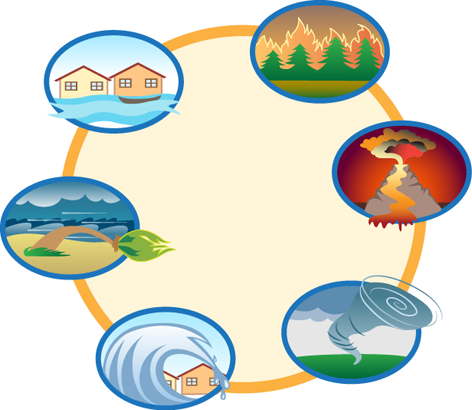
First Aid training is of particular importance in case of any disaster, when medical and hospital services are limited or delayed.
First Aid training helps you to develop safety awareness and habits that promote safety at home, at work, during recreation, and on the streets and highways.
The person giving first aid, the first-aider, deals with the whole situation, the injured person, and the injury or illness.
First Aider helps:
- To prevent an injury or illness from worsening.
Gain permission if the victim is conscious.
Act reasonably within the scope of your training.
Continue until someone more qualified takes over, unless you are at risk or exhausted.
When dealing with the immediate scene, first aider should:
- Identify when someone is hurt, sick or in a dangerous situation.
- Observe the circumstances of an emergency and monitor the situation.
- Search for clues to help you decide what to do.
- Look around, ask questions, check vital signs, evaluate signs and symptoms, and complete a head-to-toe examination.
- Action is determined by the assessment.
- Treating injuries is one response, but action can also refer to removing hazards, directing bystanders, and calling for help.
First Aider must assess the situation and
Performing these three steps actually means providing First Aid.
Protect yourself and the injured person.
Avoid another accident by eliminating the cause:
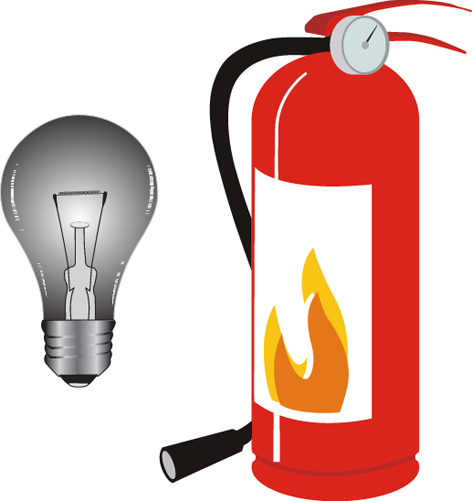
- Turn-off the electricity to equipment.
- Have someone control traffic.
- Keep bystanders away from the scene of the accident.
- Extinguish fire if possible without putting yourself in danger.
Protect yourself against blood borne pathogens (AIDS, Hepatitis)
Look for severe external bleeding.
Check for responsiveness and unconsciousness.
Check for breathing.
Check for circulation.

Call for assistance or have someone alert the emergency medical service rapidly.
Always provide:
- Exact location or address of the accident or incident
- Telephone number where you can be called
- How many people are involved
- Nature of injuries (fractures, burns)
- Indication of the seriousness of the injuries (breathing or not, etc.)
- What first aid has been given
Do not harm:
- Do not harm does not mean do nothing
- The wisdom is know what to do and what NOT to do
- Provide comfort and assurance to the casualty
- Use treatment you know of that are most likely to benefit a casualty
First Aid is not an exact science and is open to error:
- First aid is practiced by people from all walks of life
- Therefore there are great variations in terms of methods and practice
- A casualty may not respond as you hoped no matter how good and how hard you try
- If you have done best, your conscience should be clear
First Aid is about putting first things first:
- If there are too many injuries in a casualty, treat the most urgent first
- The first get our priority right is to know and recognize what is an emergency and what is not an emergency
Safety:
- Safety is of utmost importance in first aid.