Topics covered in this snack-sized chapter:
The word hepatitis comes from the Ancient Greek word hepar (root word hepat) meaning 'liver', and the Latin it is meaning inflammation.
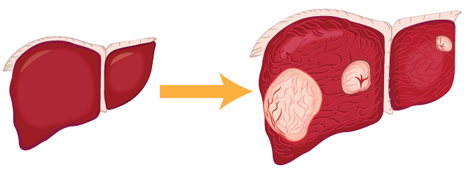
It is a disorder in which viruses or other mechanisms produce swelling and inflammation in liver cells, resulting in their injury or destruction.
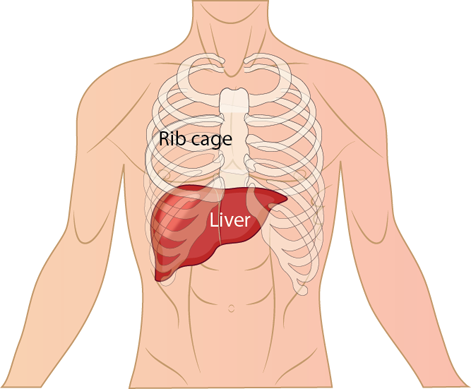
It performs over 500 vital functions, some key roles are:
- The liver processes all of the nutrients the body requires, including proteins, glucose, vitamins, and fats.
- The liver manufactures bile, the greenish fluid stored in the gallbladder that helps digest fats.
- One of the liver's major contributions is to render harmless potentially toxic substances, including alcohol, ammonia, nicotine, drugs, and harmful by-products of digestion.
Is located in the upper right quadrant of the abdomen
Cleans the blood
Regulates hormones
Helps with blood clotting
Produces bile
Produces important proteins
Maintains blood sugar levels
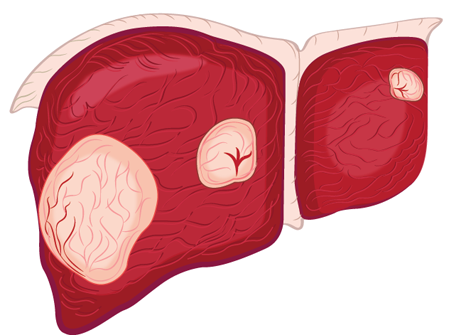
Viral hepatitis means there is a specific virus that is causing your liver to inflame (swell or become larger than normal)
Viral hepatitis is of five types:
- A: Fecal - oral transmission
- B: Sexual fluids and blood to blood
- E: Fecal – oral transmission
There are two main types of nonviral hepatitis, called:
- Toxic/drug-induced hepatitis
Two less common types of nonviral hepatitis, called:
Alcoholic hepatitis is the most common precursor of cirrhosis in the U.S.
While it may not develop in many patients until several decades of alcohol abuse, it appears in a few individuals within a year after onset of excessive drinking.
Toxic/Drug-Induced Hepatitis
Toxic/drug-induced hepatitis is caused after inhalation or ingestion of a toxin, such as carbon tetrachloride, vinyl chloride, poisonous mushrooms or the use of certain medications.
Several widely used drugs can produce an adverse liver reaction:
- Isoniazid (used for the treatment of tuberculosis)
- Methyldopa (a treatment for high blood pressure)
- Acetaminophen (pain reliever)
- Antibiotics such as erythromycin, chlorpromazine, oral contraceptives and anabolic steroids
Autoimmune hepatitis is a condition in which the liver is attacked by the body's immune system.
Granulomatous hepatitis is a condition in which abnormal collections of white blood cells collect in the liver.
Individuals may have one or more of the following symptoms, while others experience no symptoms:
A few may have specific liver related symptoms initially:
- Jaundice (yellowing of the skin or eyes)
Never share drug equipment
- Straws, bills, needles, syringes, water, filter, cooker, pipes, etc.
Never share tooth brushes/razors or any personal hygiene articles that have blood on them (even tiny amounts).
Practice safer sex
Always make sure new & sterilized equipment is being used for tattooing & piercing
- Make sure ink for tattooing is not being shared
Do not touch dirty needles without proper equipment or following proper procedures
Handle only if you have proper equipment
- Sturdy pair of gloves, tongs or pliers and a puncture proof container (heavy plastic or metal)
Place needle in puncture proof container
- Do not touch needle with bare hands and do not try to recap needle if cap present
Can dispose container in garbage but better if it is taken to health clinic or needle exchange
At school, notify custodian, teacher, nurse or police liaison officer