Chapter 2 : Ear Ache and Ear Wax


Earache arrow_upward


  • An earache can be a sharp, dull, or burning pain in one or both ears.
  • The pain may be temporary or constant.
  • Earache is more common in children than it is in adults.
  • The pain from earache can be constant or it may come and go.
  • It can feel like a burning sensation or a sharp, or dull, pain.
  • It can affect both ears at once or just one ear.

  • Causes arrow_upward


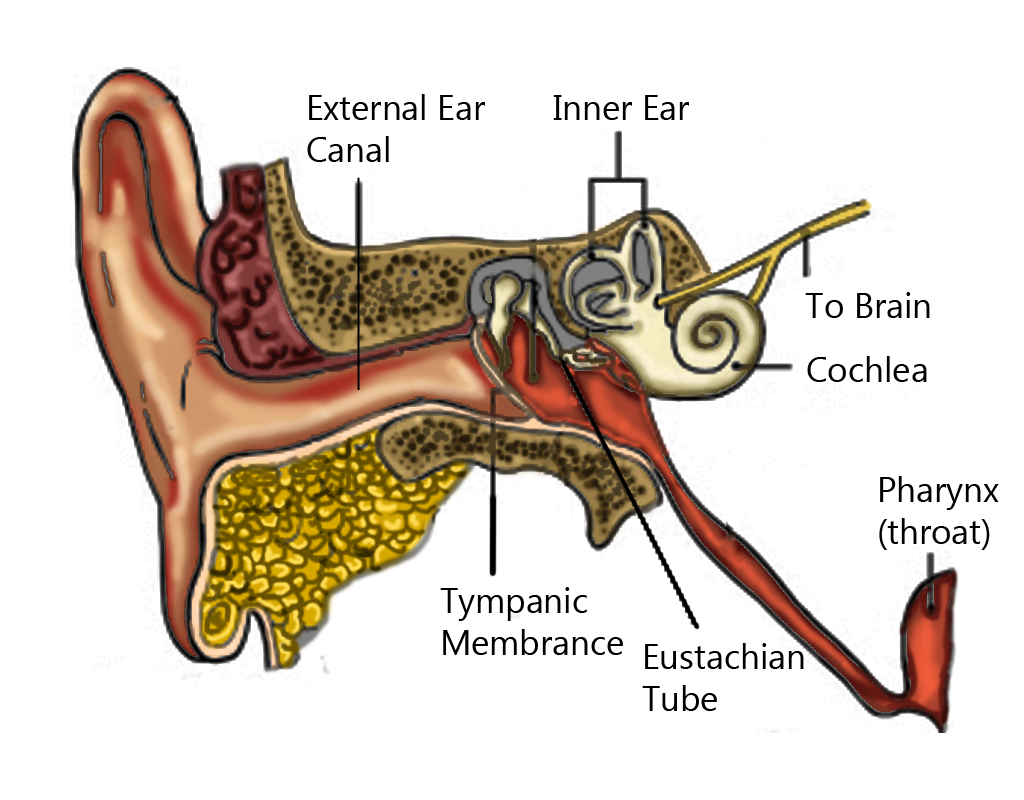
  • The eustachian tube runs from the middle part of each ear to the back of the throat.
  • This tube drains fluid that is normally made in the middle ear.
  • If the eustachian tube becomes blocked, fluid can build up.
  • This may lead to pressure behind the eardrum or an ear infection.
  • Ear pain in adults is less likely to be from an ear infection.
  • Causes of ear pain may include:
    • Arthritis of the jaw
    • Acute ear infection
    • Chronic ear infection
    • Ear injury from pressure changes (from high altitudes and other causes)
    • Object stuck in the ear or severely impacted ear wax
    • Ruptured or perforated eardrum
    • Sinus infection
    • Sore throat with referred pain to the ears
    • Temporomandibular joint syndrome (TMJ)
    • Tooth infection
  • Ear pain in a child or infant may be due to infection, or the following causes:
    • Ear canal irritation from cotton-tipped swabs.
    • Soap or shampoo staying in the ear.

    Home Care arrow_upward


  • The following steps may help an earache:
    • A cold pack or cold wet wash cloth applied to the outer ear for 20 minutes may reduce pain.
    • For children old enough to safely chew gum, chewing may help relieve the pain and pressure of an ear infection.
    • If a child is uncomfortable lying down, resting in an upright position can help reduce pressure in the middle ear.
    • Over-the-counter ear drops are gentle and effective, as long as the eardrum has not ruptured.
    • Over-the-counter pain relievers, can provide relief for children and adults with an earache. (Do NOT give aspirin to children.)

    When to Contact a Medical Professional arrow_upward


    Call your doctor if:

  • Your child has a high fever or severe pain or seems sicker than is usual for an ear infection.
  • New symptoms appear, especially:
    • Dizziness
    • Severe headache
    • Swelling around the ear
    • Weakness of the face muscles
  • Severe pain suddenly stops; this may be a sign of a ruptured eardrum
  • Symptoms (pain, fever, or irritability) get worse or do not improve within 24 - 48 hours.

  • Prevention arrow_upward


  • The following steps can help prevent earaches:
    • Avoid smoking near children. Smoking has been shown to cause millions of ear infections each year in children.
    • Prevent outer ear infections by not putting objects in the ear, and drying the ear after bathing or swimming.
    • Take steps to control allergies. In particular, avoid allergy triggers. Steroid nasal spray may help reduce ear infections. However, over-the-counter sedating antihistamines and decongestants do NOT prevent ear infections.

    Ear Wax arrow_upward


  • Earwax is produced by glands in the ear canal.
  • Although scientists are still not completely sure why we have earwax, its purpose is to trap dust and other small particles and prevent them from reaching, and potentially damaging or infecting the eardrum.
  • Normally, the wax dries up and falls out of the ear, along with any trapped dust or debris.
  • Everyone makes ear wax, but the amount and type are genetically determined just like hair color or height.
  • Smaller or oddly shaped ear canals may make it difficult for the naturally occurring wax to get out of the canal and lead to wax impactions.

  • Earwax Causes arrow_upward


  • Blockage, or impaction, also occurs when the wax gets pushed deep within the ear canal.
  • Earwax blockage affects about 6% of people and is one of the most common ear problems doctors see.
    • The most common cause of impactions is the use of Q-tips (and other objects such as bobby pins and rolled napkin corners), which can remove superficial wax but also pushes the rest of the wax deeper into the ear canal.
    • Hearing aid and earplug users are also more prone to earwax blockage.

    Earwax Symptoms arrow_upward


  • Symptoms of an earwax impaction include:
    • Decreased hearing
    • Dizziness
    • Ear pain
    • Plugged or fullness sensation
    • Ringing in the ear
    • Itching or drainage from the ear canal

    When to Seek Medical Care for Earwax arrow_upward


  • See your doctor if you think you may have any symptoms of an earwax impaction.
  • Other conditions may cause these symptoms and it is important to be sure earwax is the culprit before trying any home remedies.
  • Go to the hospital if:
    • You have a severe spinning sensation, loss of balance, or inability to walk.
    • You have persistent vomiting or high fever.
    • You experience sudden loss of hearing.

    Earwax Treatment and Self-Care at Home arrow_upward


  • Your doctor may recommend that you try an earwax removal method at home, unless you have a perforation (hole) or a tube in your eardrum.
    • Over-the-counter wax softening drops may be put into the affected ear and then allowed to drain out after about five minutes while holding the head to the side, allowing the drops to settle. Sitting up again will let the drops drain out by themselves.

    Medical Treatment for Earwax Blockage arrow_upward


  • The doctor may remove your earwax with a small plastic spoon called a curette, or irrigate your ear with warmed water, sodium bicarbonate, or other prescription-strength eardrops.
  • Syringing
    • Most cases of wax can be solved by ear drops alone.
    • However, if there is a big build-up, the drops may not be enough and you may need to have your ears syringed.
    • Your local GP practice will be able to check your ears and tell you if there is still enough wax to need syringing.
    • If syringing is necessary, the practice nurse will normally do it.
    • The treatment involves flushing out the wax with a stream of water and normally takes a few minutes.
    • If you have had a cleft palate or have only one hearing ear, check with a doctor before having your ears syringed.
    Preventing Earwax Blockages arrow_upward


  • Earwax blockage can be prevented by avoiding the use of cotton-tipped swabs or Q-tips and other objects that push the wax deeper into the ear canal.

  • Ear Syringing arrow_upward


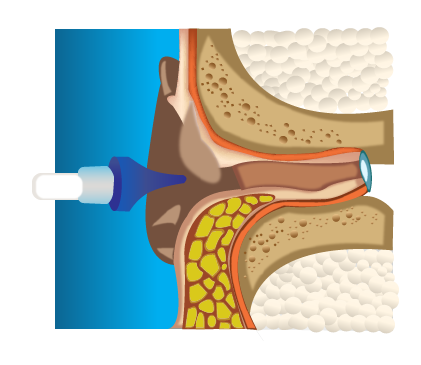
  • Syringing is a procedure used for removal of wax, foreign bodies, debris from the ear.
  • This procedure is done by an aural syringe with a piston which can push water with force through a nozzle.

  • Indications for Syringing arrow_upward


  • Indications for syringing are as follows:
    • Removal of wax
    • Dried fungal debris
    • Epithelial debris
    • Blunt foreign bodies

    Contraindications for Syringing arrow_upward


  • Contraindications for syringing are as follows:
    • Acute inflammatory conditions of the external or middle ear
    • Perforation of the tympanic membrane
    • Hygroscopic foreign bodies
    • Sharp foreign bodies

    How is Syringing done? arrow_upward


  • Patient is seated with the ear to be syringed towards the examiner.
  • A kidney tray placed over the shoulder of the patient.
  • The syringe is held in the right hand. Normal saline, distilled water or normal water can be used after boiling and cooling at 37ยบ which is the normal body temperature. Water has to be cooled to body temperature to prevent labyrinthine stimulation.
  • Pinna is pulled upward and backward and stream of water is directed towards the posterior-superior wall of the meatus. The pressure of the water builds up deeper to the wax and expels the wax out.
  • The ear is made dry with a cotton swab after the procedure. At the end of this procedure, the ear canal, and tympanic membrane must be inspected and dried up with a cotton pledget.

  • Complications of Syringing arrow_upward


  • Possible complications of syringing are:
    • Trauma to external canal or tympanic membrane
    • Giddiness usually temporary
    • Vasovagal shock


    Thank You from Kimavi arrow_upward


  • Please email us at admin@kimavi.com and help us improve this tutorial.