Chapter 2 : Accounting - Introduction
Topics covered in this snack-sized chapter:

- Financial Accounting-This includes revenues, earnings, assets and liability; its core components being:
- Balance Sheet: Reports on a company's assets, liabilities, and ownership equity at a given point of time.
- Income Statement or Profit and Loss Statement (P&L): Reports on a company's income, expenses, and profits over a period of time.
- Management Accounting–This includes cost, budgeting, and net present value. It is mainly prepared for internal purposes.

- Assets
- Liabilities
- Expenses
- Revenue
- Owners’ Equity
Assets
- Examples: Cash, accounts receivable, inventory, notes receivable, prepaid expenses, land, buildings, equipment, furniture, and fixtures.
Liabilities
- Examples: Notes payable, accounts payable, accrued liabilities, long-term liabilities (bonds).
Expenses
- Direct Expenses
- Indirect Expenses
Revenue
Owners’ Equity
- Examples: Common stock, retained earnings, revenues, expenses.
| Operations | |
| Financing | |
| Investing | |
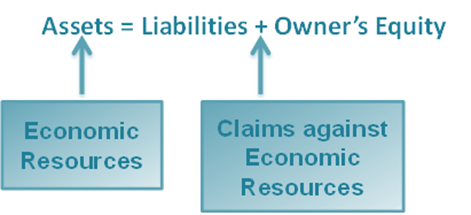
Assets = Liabilities + Owners’ Equity
- Debit (increase) and
- Credit (decrease)

- Income Statement
- Statement of Owner's Equity
- Balance Sheet
- Statement of Cash Flow
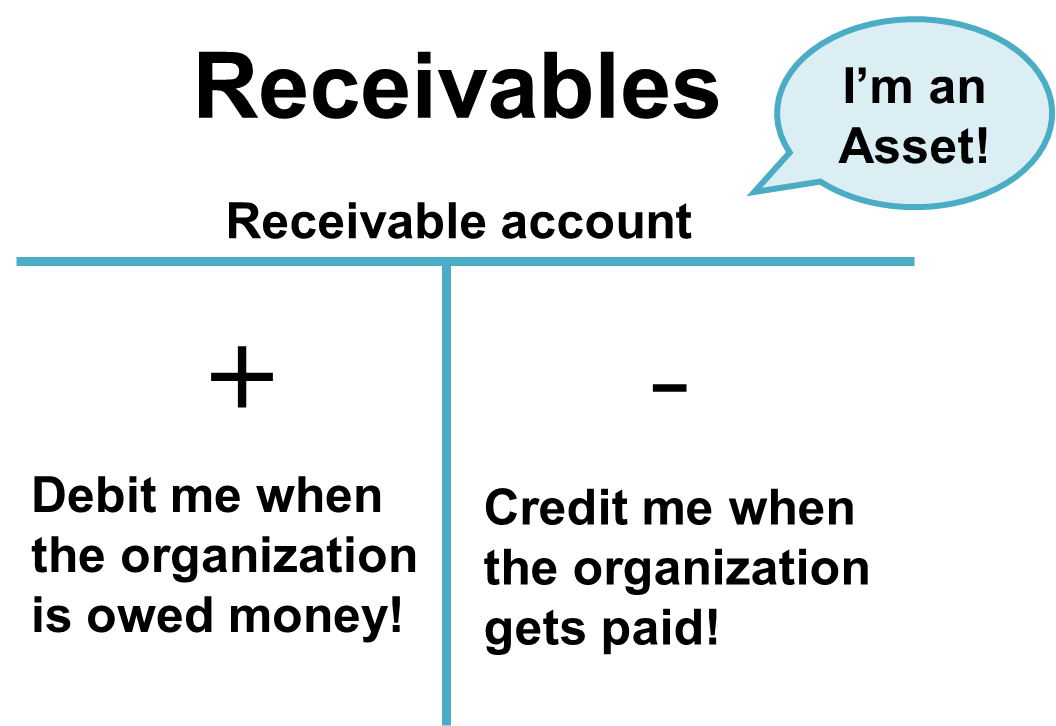
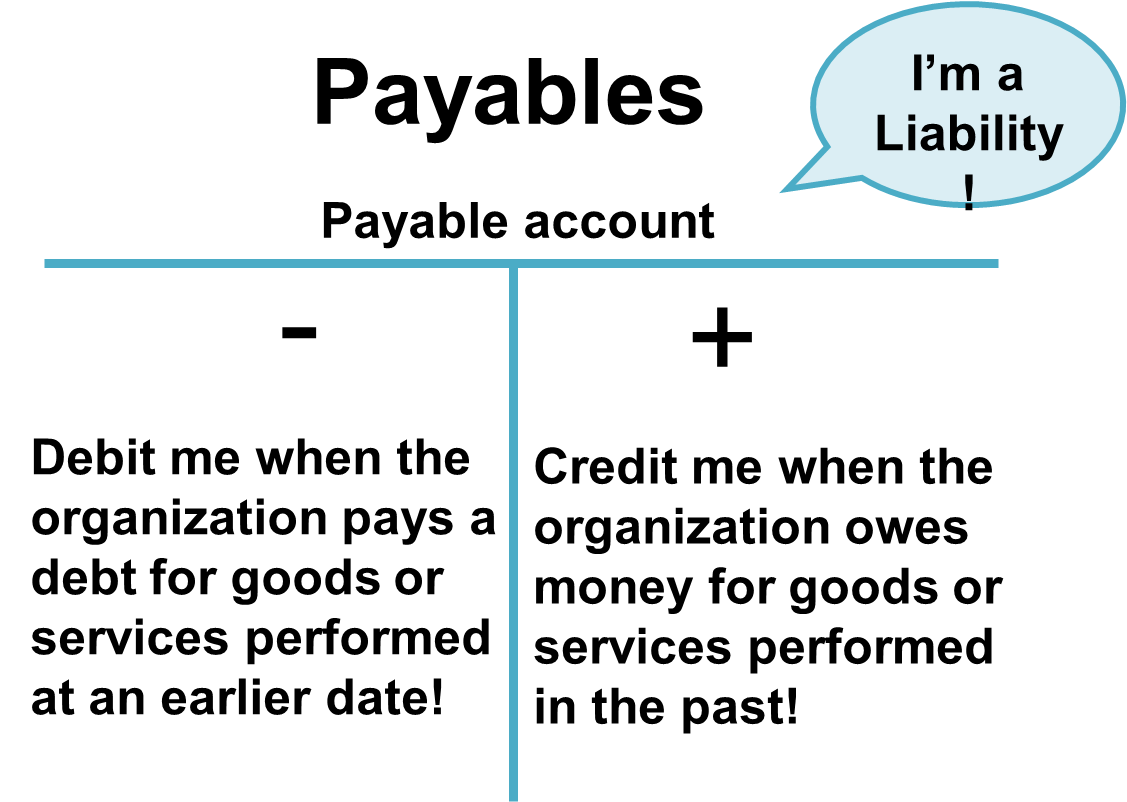
| Type of Account | Debit | Credit |
| Asset | Increases | Decreases |
| Liability | Decreases | Increases |
| Expense | Increases | Decreases |
| Revenue | Decreases | Increases |