Chapter 1 : Introduction
Topics covered in this snack-sized chapter:
- Human biology: subfield of biological anthropology dealing with human growth and development, adaptation to environmental extremes, and human genetics.
- Toxicology: a branch of biology, chemistry, and medicine concerned with the study of the adverse effects of chemicals on living organisms.
- Molecular biology: the branch of biology that deals with the molecular basis of biological activity.
- Computational chemistry: a branch of chemistry that uses principles of computer science to assist in solving chemical problems.
- Organic chemistry: the chemistry discipline that is concerned with the study of compounds containing carbon that is chemically bonded to hydrogen.
- Biochemistry: sometimes called “biological chemistry,” is the study of chemical processes in living organisms, including, but not limited to, living matter.
- Physical chemistry: the study of macroscopic, atomic, subatomic, and particulate phenomena in chemical systems in terms of laws and concepts of physics.
- Design and development of pharmaceutical drugs.
- Studying the relationship between the quantitative structure and the properties of existing drugs.
- Understanding and identification of diseases along with development & application of drugs accordingly.
- Evaluating the efficacy of the newly developed and existing drugs.
- Development of drugs
- Research and testing of drugs
- Regulating the usage of drugs and making a prescription-only instead of over-the-counter
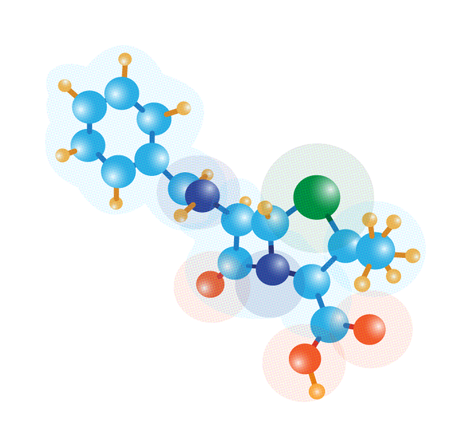
Molecular Arrangement
- Various types of fungi
- Plants
- Animals
- As this stream of research deals with combinatorial chemistry along with high-end screening, it is extremely helpful for taking on more complicated diseases
- As the basics of medicinal chemistry are based on molecular interaction of cells in proteins, carbohydrates, lipids and various other critical components of our body
- Studying these interactions results in a better understanding of the chemistry of drugs
- This understanding can enable chemists to design ways to mitigate the side effects of those drugs
- Various renowned universities have recently come up with high level master’s programs.
- Many examination programs are conducted in various universities and these modules are designed such that they offer a high level of freedom when it comes to specializing on a particular discipline of medicinal chemistry.
- The modern students and researchers have the scope to actively participate in various types of research projects of exceptional quality.
- The modern research institutes generally work along with several ancillary research institutes as well as different high profile biotechnological companies.
- There are various social obligations associated with the development of a drug.
- Without strict government supervision, a boon for the society can turn into a bane.