Chapter 2 : Cognitive Disorders
Topics covered in this snack-sized chapter:
Cognitive function: the general ability to organize, process, and recall information
Cognitive skills: mental capabilities or underlying skills needed to process and learn information, to think, remember, read, understand and solve problems
Cognitive disorders: disorders in which the central feature is the impairment of memory, attention, perception, and thinking
Mental conditions that cause people to have difficulty thinking clearly and precisely
Patients experience a confused mental state and changes in behavior.
Disturbances of cognitive function may occur in a variety of disorders.
Major cognitive disorders are:
Clinical state characterized by an acute change in a person’s mental status
A global, potentially reversible change in cognition and consciousness that is relatively acute in onset
A syndrome of many different causes characterized by confusion and loss of short-term memory
Also called “acute confused state,” represents a serious and often unrecognized neuropsychiatric disturbance of cognition and attention, common in the elderly and chronically ill patients
The hallmark of delirium is confusion, or, as it also has been called, “clouding of the sensorium.”
- Patients may appear somewhat dazed and unclear about their surroundings
Major features of delirium
- A fluctuating level of consciousness
- Development over a period of hours to days
- Presence of medical or substance-related precipitants
- Disturbance in sleep-wake cycle
- Hallucinations (seeing, hearing, or feeling things that are not there)
- The patient’s speech may be circumstantial, tangential, or incoherent
- Limited or absent memory formation
Etiology (the study of origination) of delirium
Delirium stems from a global disturbance in cerebral functioning.
The syndrome of delirium reflects brain dysfunction due to identifiable systemic or cerebral disease.
Delirium is multi-factorial: produced by a combination of minor illnesses and minor metabolic derangements (mild anemia, mild hypoxia).
Occurs because of:
- Damage of enzyme systems, blood brain barrier, or cell membranes
A loss of cognitive and emotional functions
A progressive deterioration of brain functions, marked by impairment of memory, confusion and inability to concentrate
In addition to memory loss, a person with dementia may have trouble carrying out everyday tasks.
Caused by a disease that damages tissues in the brain, causing disturbed brain functioning
Decline in short term memory
Impaired comprehension
Personality changes
Lives in the past
Decline in problem solving abilities
Mood changes
The hallucinations may be either visual or, less commonly, auditory
The most common causes of dementia are:
- Dementia with Lewy bodies
There are many other rarer diseases that may lead to dementia including HIV, head trauma.
The most common cause of dementia, for approximately 50% of all dementia types
A progressive, degenerative disease of the brain, which results in impaired memory, thinking and behavior
Causes the gradual death of brain tissue due to biochemical problems inside individual brain cells
Caused by changes in the brain’s blood vessels
Develops when impaired blood flow to parts of the brain deprives cells of food and oxygen
Dementia with Lewy bodies
A common cause of dementia, accounting for 15-20% of total cases
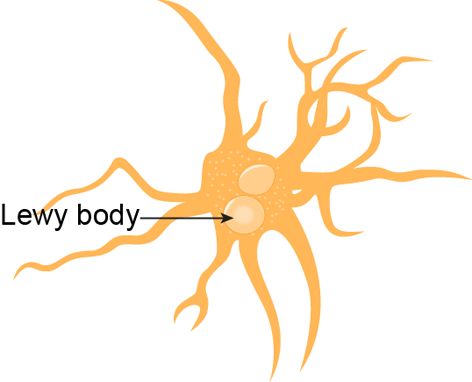
A neuropsychiatric disorder causing dementia
Lewy bodies are abnormal clumps of the proteins found in nerve cells throughout the outer layer of the brain and deep inside the midbrain or brainstem.
A progressive disorder of central nervous system, caused by deterioration of brain cells
Caused by the loss of nerve cells in the area of brain that produce dopamine, an important neurotransmitter that helps nerve cells to communicate
Defined as the total or partial loss of memory
A significant loss of the memory, despite no loss of other cognitive functions
Characterized by memory impairment as manifested by impairment in the ability to learn new information or the inability to recall previously learned information
The basic feature of amnestic disorder is a disordered mental status.
Often associated with bilateral dysfunctions in the medial temporal and diencephalic regions of the brain
Amnestic disorder may be caused due to a general medical condition or substance related.
May develop as a result of alcohol dependence, associated with dietary and vitamin deficiency
Surgical treatment involves removal of tumors; relieve pressure caused by tumors, restore ruptured blood vessels.
Psychotherapy helps patient deal with emotional aspects of the disorders.
Medication should be given to prevent, control, and reduce symptoms; also control accompanying emotional problems.
Psychosocial treatment of delirium involves reassuring the person to help him/her deal with the agitation, anxiety & hallucinations.
Psychosocial treatment of dementia involves:
- Focus on enhancing the lives of people with dementia & their families
- Teach them skills to compensate for their lost abilities
- Provide clues to help people safely navigate around their home
- Provide supportive counseling to caregivers