Chapter 2 : Types of Robots
Topics covered in this snack-sized chapter:
- Stationary Robots,
- Mobile Robots,
- Autonomous Robots,
- Under water Robots,
- Flying Robots,
- Remote controlled Robots,
- Virtual Robots,
- Intelligent Robots,
- Swarm Robots.
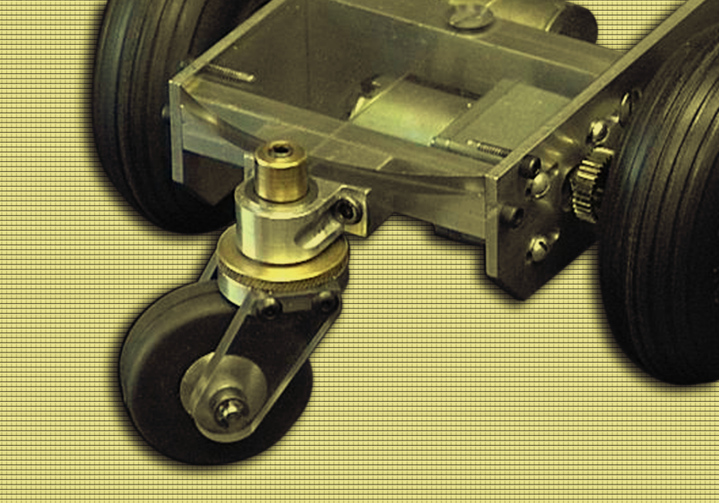
- Wheeled Robots are robots that navigate around the ground using motorized wheels to propel them.
- These are the type of robots that can quickly and easily move around.
- However they are only useful in flat areas, rocky terrains give them a hard time.
- They are somewhat a recent innovation in robotics.
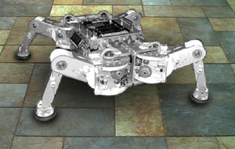
- Most successful legged robots have 4 or 6 legs for further stability.
- Robots on legs are usually brought in when the terrain is rocky and difficult to enter with wheels.
- Gain information about the environment.
- Work for an extended period without human intervention.
- Move either all or part of itself throughout its operating environment without human assistance.
- Avoid situations that are harmful to people, property, or itself unless those are part of its design specifications.
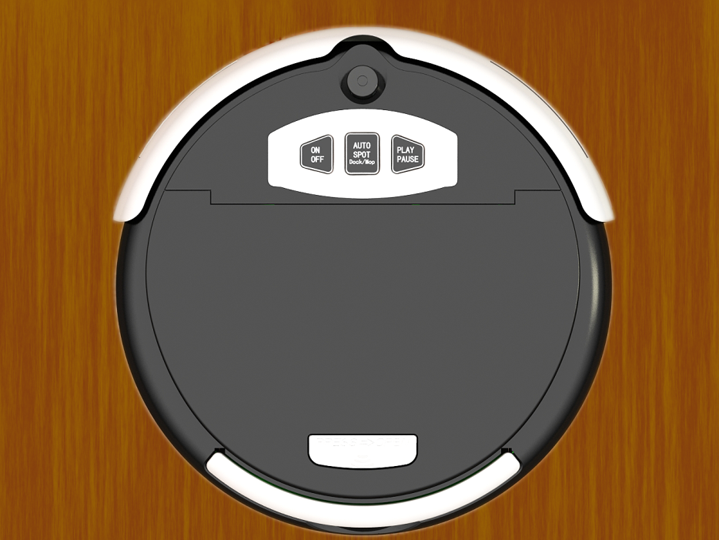
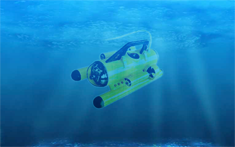
- Boatbots: Operate on the surface of a liquid.
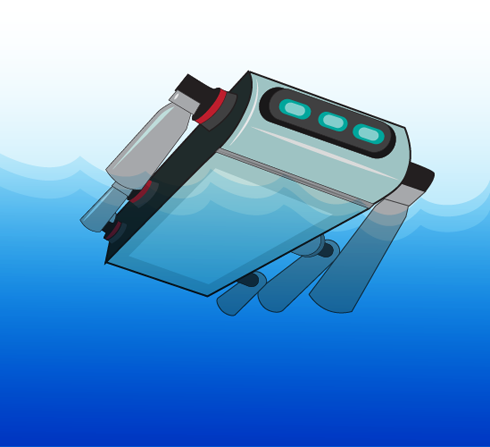
- Subbots: Operate under the surface of liquid. They are used to explore seas.
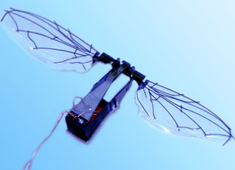
- With a tiny carbon fiber body and wings made up of thin plastic sheets.
- This robotic fly was inspired by the way real insects move.
- The wings are controlled by a minuscule flight muscle or ‘actuator’ that drives wing movement when a voltage is applied.
- These are conventional type robots.
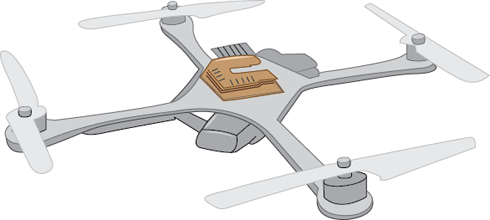
- Electric motors or combustion engines are used to produce thrust for flying.
- Control of robot motion is achieved by altering the pitch and/or rotation rate of one or more rotor discs, thereby changing its torque load and thrust/lift characteristics.