Chapter 2 : Common Surgical Operations
Topics covered in this snack-sized chapter:
Common surgical operations include the following:
- Coronary Artery Bypass Surgery
- Debridement of Wound, Burn, or Infection
An Appendectomy is the surgical removal of the appendix.
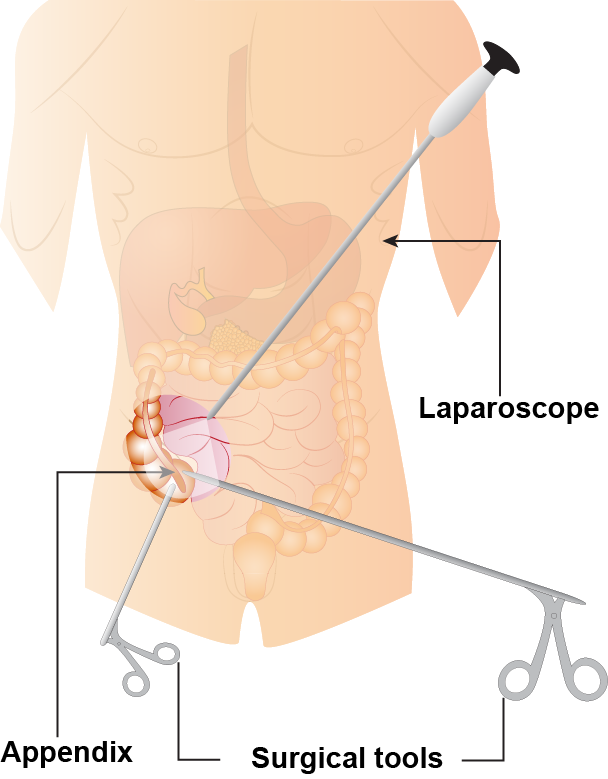
Laparoscopic Appendectomy
(Appendix Removal)
The appendix is a small tube that branches off the large intestine, with no known function.
Appendicitis is the acute inflammation of this tube due to infection.
The laparoscopic (minimally invasive) surgical technique involves making several tiny cuts in the abdomen and inserting a miniature camera and surgical instruments.
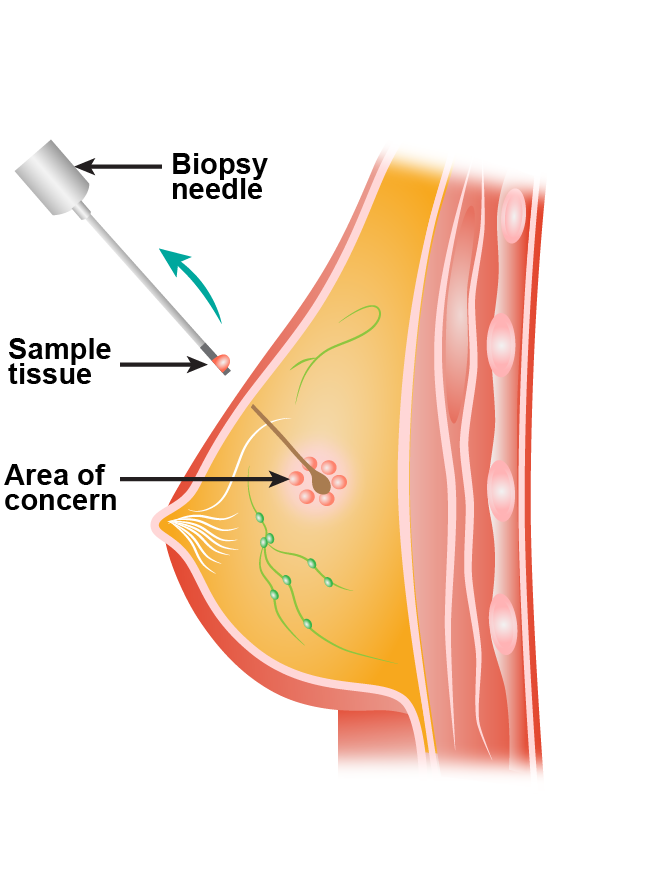
A biopsy is a diagnostic test involving the removal of tissue or cells for examination under a microscope.
Breast biopsy is also used to remove abnormal breast tissue.
In a biopsy, a hollow needle is used to extract tissue or a lump for examination or treatment.
Caesarean section is the surgical delivery of a baby by an incision.
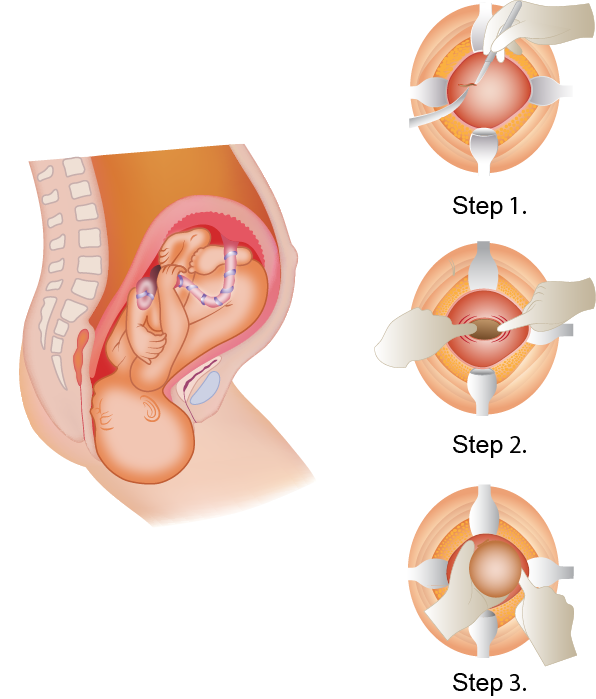
This procedure is performed when physicians determine it a safer alternative than a vaginal delivery.
Carotid Endarterectomy is a surgical procedure to remove blockage from carotid arteries, the arteries located in the neck that supply blood to the brain.
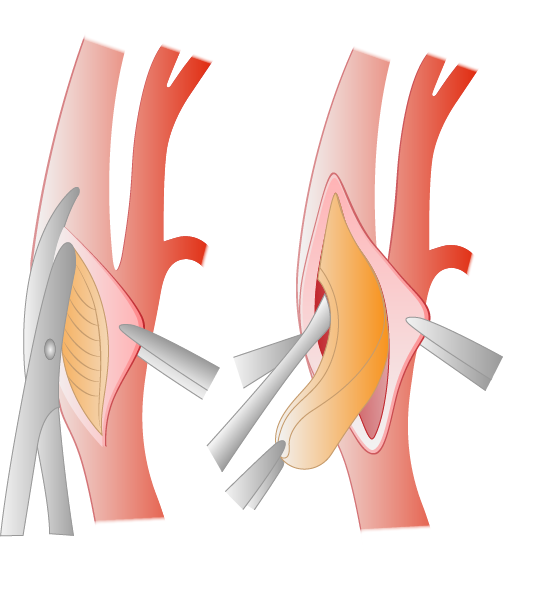
Carotid Endarterectomy
Cataracts cloud the normally clear lens of the eyes.
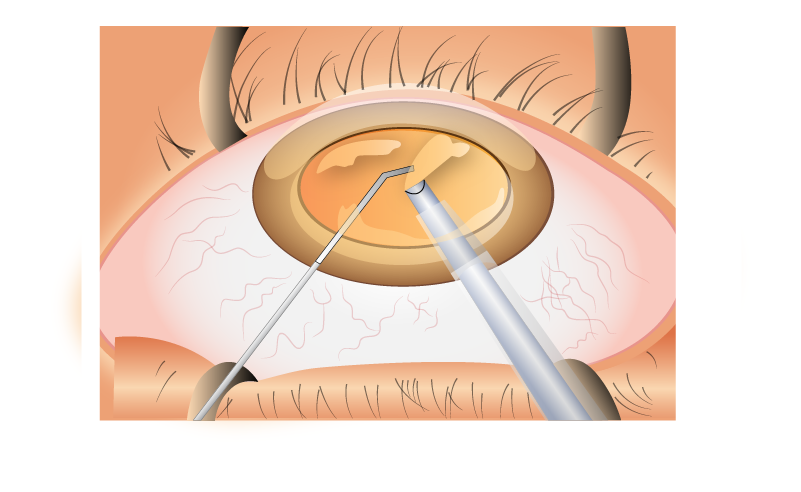
Cataract surgery is the removal of the lens inside the eye after it has become cloudy due to aging, an eye injury or other causes.
A Cholecystectomy is surgery to remove the gallbladder.
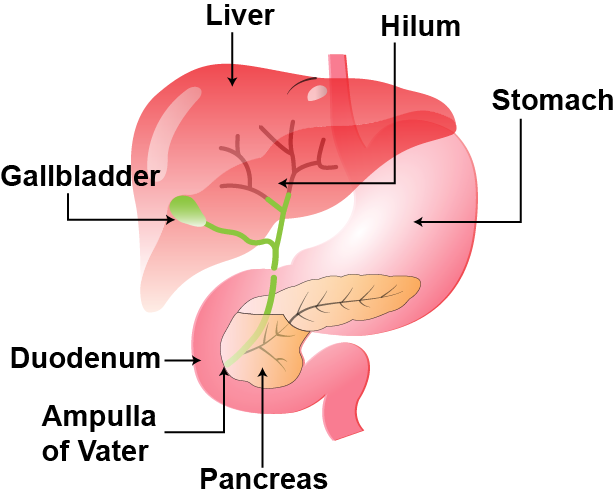
A gallbladder may need to be removed if the organ is infected or become cancerous.
Laparoscopic Cholecystectomy
During surgery, a thin, lighted device called a laparoscope sends images to a video monitor.
The magnified view lets surgeon view and removes the gallbladder using only small incisions in the abdomen.
Open Cholecystectomy removes the gallbladder through a single, larger incision.
This surgery is often performed in people who have angina (chest pain) and coronary artery disease.
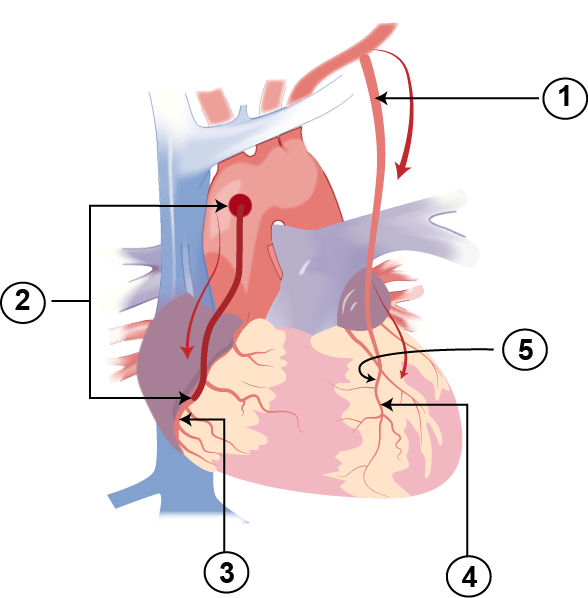
1: Internal mammary artery graft (artery relocated from chest wall)
2: Vein graft (Vein removed from the leg) is stitched to the aorta and coronary artery
3: Coronary arteries
4: Artery graft is stitched to the coronary artery
5: Blockage in coronary artery
Bypass surgery consists of grafting veins or arteries from the aorta to the coronary artery, bypassing areas that are blocked.
Surgical, chemical, mechanical, or autolytic (using the body's own processes) removal of wound or burn tissue to promote healing.
Debridement is used:
- To clean dead and contaminated material from a wound to aid in healing.
- Increase the tissue's ability to resist infection.
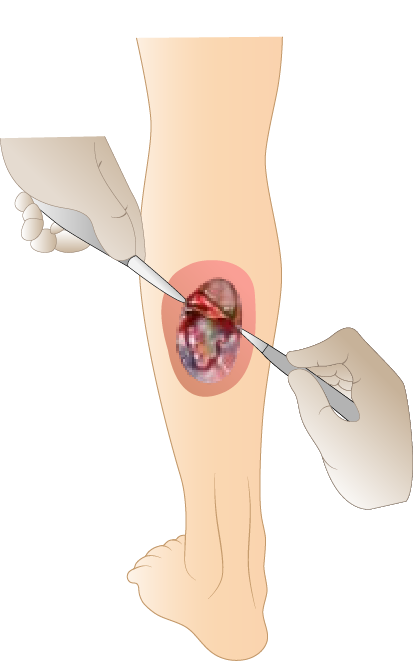
By removing the diseased or dead tissue, healthy tissue is exposed to allow for more effective healing.
A Hemorrhoidectomy is the surgical removal of hemorrhoids, distended veins in the lower rectum or anus.
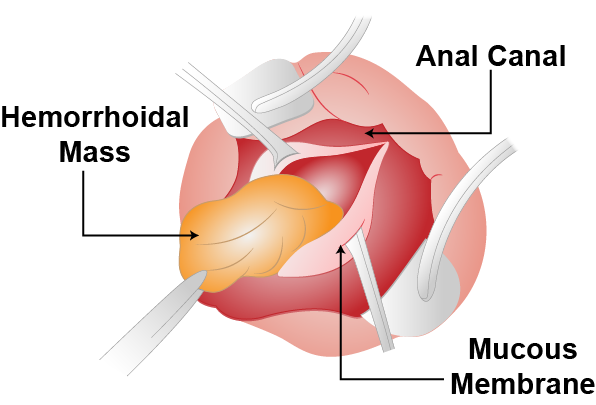
In this operation, all of the hemorrhoid tissue is removed from beneath the skin and mucous membrane.
Hemorrhoids are swelling in the rectum or anal area that may protrude through the anus on straining. They usually contain enlarged veins and are most common in people over the age of 50.
A hysterectomy is the surgical removal of a woman's uterus.
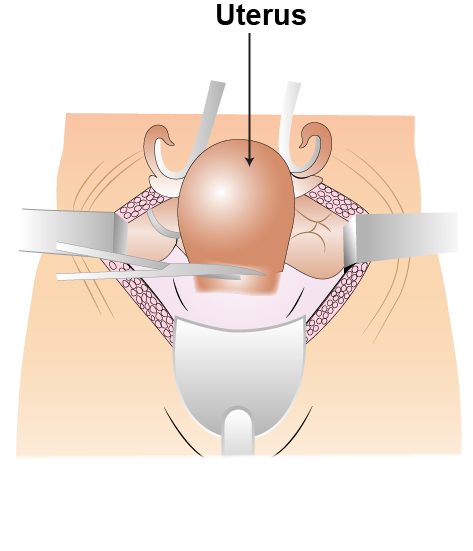
This may be performed either through an abdominal incision or vaginally.
A Mastectomy is the removal of all or part of the breast.
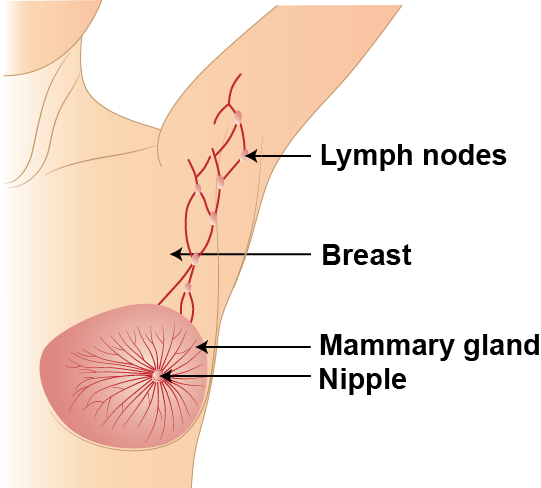
There are several types of mastectomies, including the following:
- Partial (Segmental) Mastectomy: This involves the removal of the breast cancer and a larger portion of the normal breast tissue around the breast cancer.
- Total (Or Simple) Mastectomy: In which the surgeon removes the entire breast, most of the underlying skin, and may also remove some of the lymph nodes under the arm.
- Radical Mastectomy: This involves removal of the entire breast, the lymph nodes under the arm, and the chest muscles.
The surgical removal of all or part of the prostate gland, the sex gland in men that surrounds the neck of the bladder and urethra - the tube that carries urine away from the bladder.
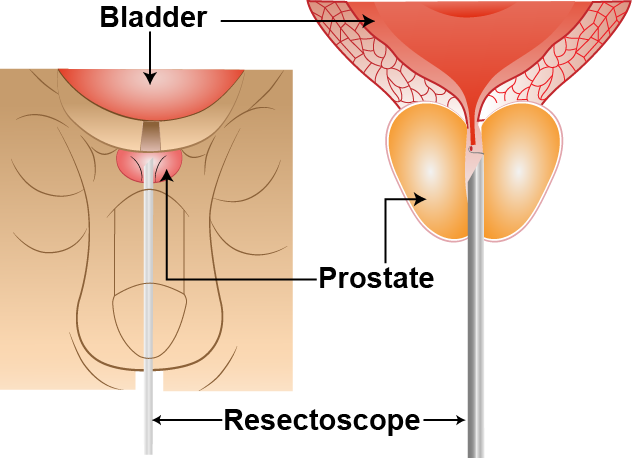
The surgical removal of one or both tonsils.
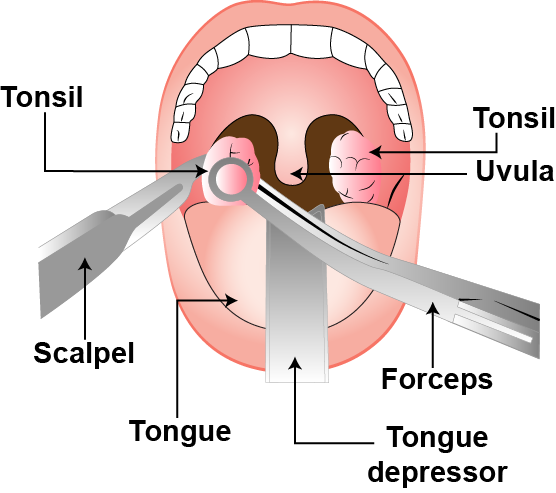
Tonsils are located at the back of the mouth and help fight infections.
A partial colectomy is the removal of part of the large intestine (colon) which may be performed to treat cancer of the colon or long-term ulcerative colitis.
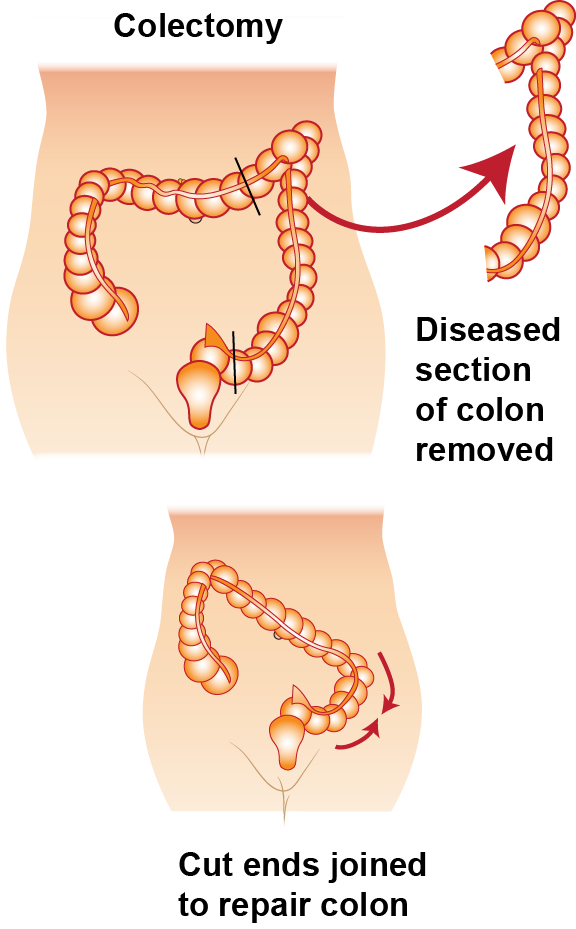
During a partial colectomy, surgeon removes the diseased portion of colon and a small portion of surrounding healthy tissue.
Then the surgeon joins the cut ends of the colon.