Chapter 1 : Weight Management Introduction
Topics covered in this snack-sized chapter:
Weight management is defined as facilitating maintenance of optimal weight and percent body fat.
Weight management is a long-term approach to a healthy lifestyle. It includes a balance of healthy eating and physical exercise to equate energy expenditure and energy intake.
Developing healthy eating habits while using tips that will keep us fuller longer can be useful tools in weight management.
Knowing what your body needs is important to weight management and can control over consumption and under consumption of food.
Weight management does not include fad diets that promote quick, temporary weight loss.
Rising obesity rates are a major concern in North America.
Obesity is a risk factor for many chronic diseases such as Type 2 diabetes, hypertension and cardiovascular disease.
Energy balance is important for maintaining a healthy weight.
Body fat and body mass measurements are used to determine whether a person is underweight or overweight.
BMI or, body mass index is a measure that is used to determine whether a person is of normal weight or whether he/she is overweight or underweight.
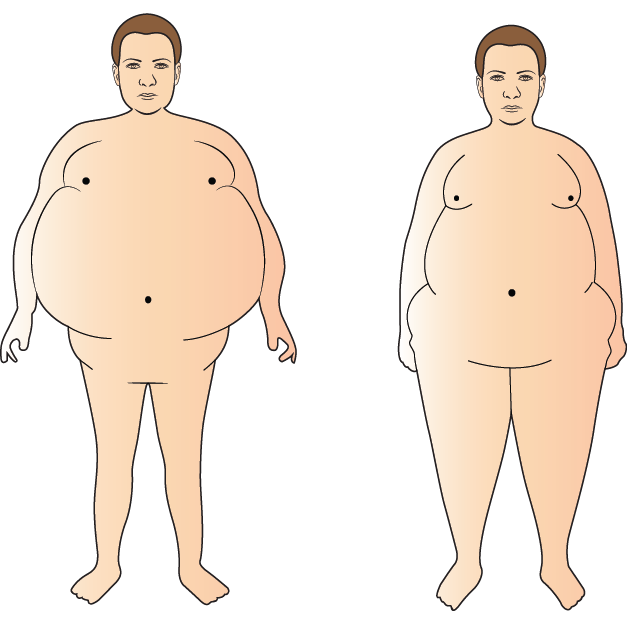
Overweight and obesity are both labels for ranges of weight that are greater than what is generally considered healthy for a given height.
Overweight is having extra body weight from muscle, bone, fat and water.
Obesity is having a high amount of extra body fat.
For people aged 18 years and over, a BMI of 25 or more is considered overweight, and 30 or more is obese.
The basic cause of obesity and overweight is an energy imbalance between calories consumed and calories expended.
A number of factors contribute to becoming overweight:
- Overeating and negative energy balance
Overeating and Negative Energy Balance
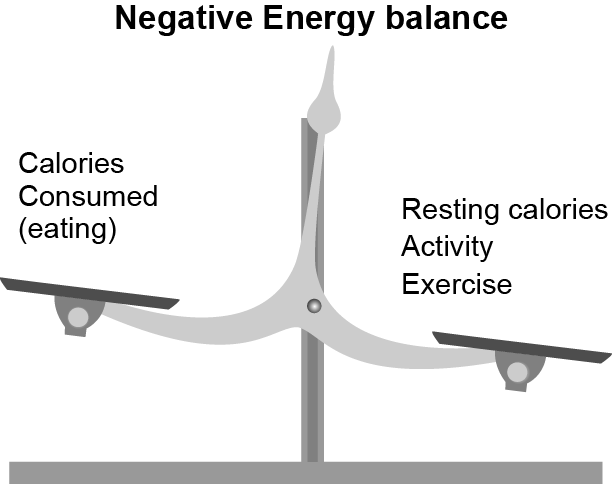
The most common associations for being overweight are consuming (eating) too much food and not being active enough.
The amounts of calories (energy) they receive with food and drinks are much higher than the amounts of the calories they spend for body functions and physical activities.
Modern people have an extreme lack of physical activities, because we spend the majority of our time watching TV or sitting in front our computers.
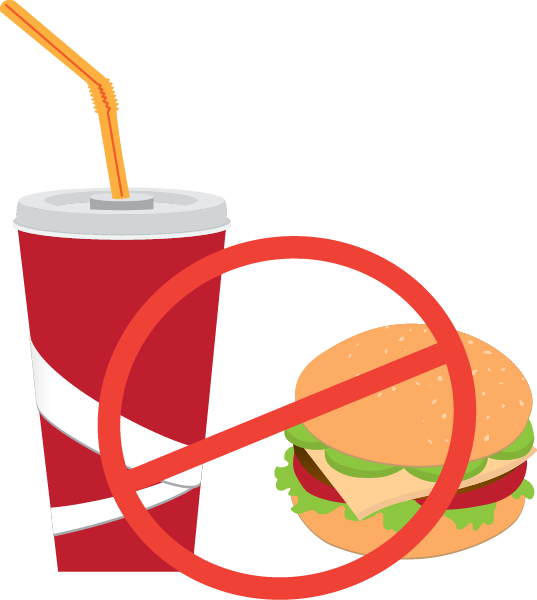
What we eat and how we eat affects our weight a lot. Many people have no time for having normal meals at work, so they try to compensate this with overeating in the evening.
They include:
- Excessive amounts of fast food. Poor quality products in our supermarkets.
- Lack of access to healthy foods
- Hectic working schedules.
- Lack of sidewalks, playgrounds, recreation facilities.
Genes can affect the amounts of fat our body stores.
Some health conditions, such as hypothyroidism, hormone problems, problems with hypothalamus, binge-eating and other eating disorders can cause weight gain.
Taking some antidepressants, or other medicines, which affect the routine processes of calorie burning in our body, may lead to weight gain.
During stress, we consume more calories than usually do, and if they are not used in extra physical activities, we start storing extra calories and gaining weight.
Following are the health problems associated with overweight and obesity:
- Coronary heart disease, Stroke
- Cancers (endometrial, breast, and colon)
- Hypertension (high blood pressure)
- Dyslipidemia (for example, high total cholesterol)
- Liver and gallbladder disease
- Sleep apnea and respiratory problems
- Gynecological problems (abnormal menses, infertility)
The goal of obesity treatment is to reach and stay at a healthy weight
Treatment methods include:
- Prescription weight-loss medications
A common approach is to recommend a balanced diet of no more than 1,500 calories per day.
Increased physical activity or exercise also is an essential part of obesity treatment.
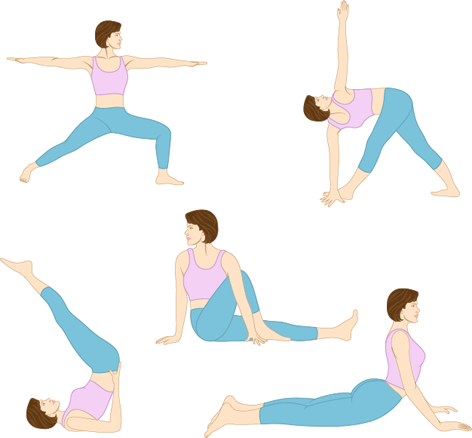
A behavior modification program can help people make lifestyle changes, lose weight and keep it off.
Prescription weight-loss medications
Appetite-suppressant drugs are sometimes prescribed to aid weight loss.
Weight-loss surgery offers the best chance of losing the most weight, but it can pose serious risks.
There are three basic facts that should be kept in mind if a person wants to keep weight under control:
- Avoid the causes of weight gain
Controlling eating habits
Increase usage of fresh fruits and vegetables.
Decrease the consumption of white breads and other processed foods.
Avoid intake of too much salt.
Avoid refined sugars and carbonated drinks.
Avoid milk products and non-vegetarian foods as they are rich in fat.
Avoiding the causes of weight gain
Eat a light dinner with easy to digest foods.
Eat the largest meal of the day at lunch with a wide variety of warm, cooked food.
Avoid drinking water immediately before or after meals as it will slow digestion.
Do not over eat especially cold, oily and heavy things.
Avoid sleeping right after eating.
Regular exercise is a must to maintain a healthy body.
Fasting once a week is considered highly beneficial in the treatment of obesity.
Stress needs to be reduced, as stress is often the cause of bad eating habits.
Avoid eating late at night.
Drink hot water frequently throughout the day.