
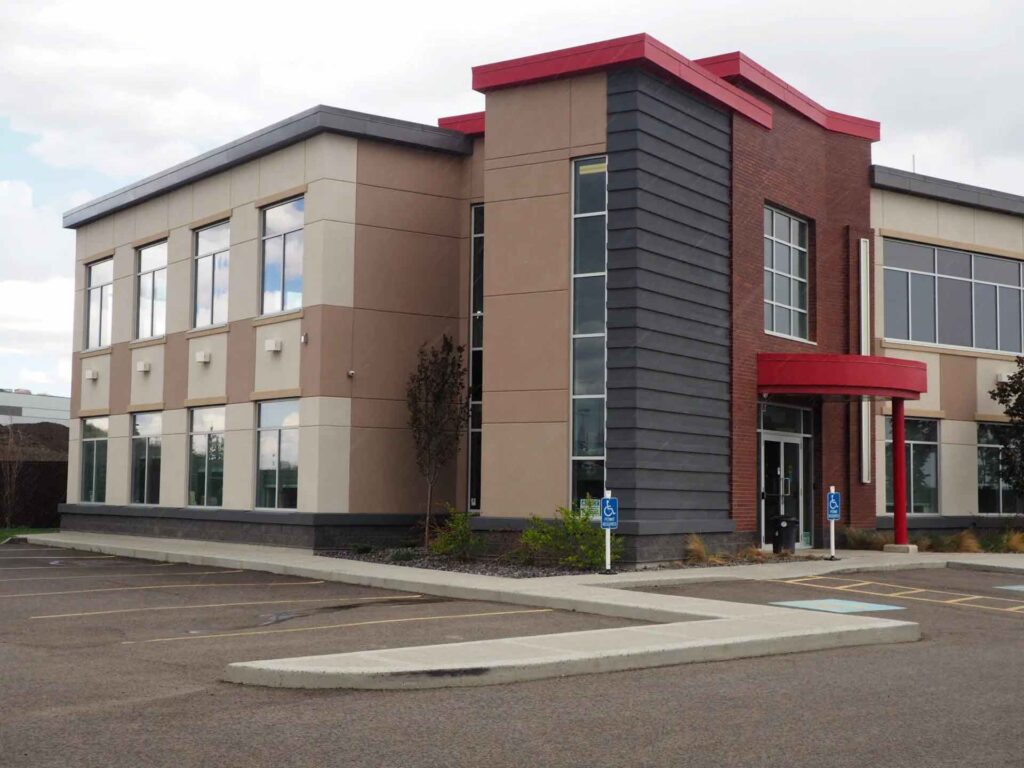
How Often Should An Office Be Repainted?
A fresh office paint job does more than look tidy. It sets the tone for client meetings, helps staff focus, and signals that your business takes pride in details. The question most Edmonton managers ask is simple: how often should an office be repainted? The answer depends on traffic, surface prep, paint quality, and how your team uses each room. After painting hundreds of offices in Edmonton’s dry winters and bright summers, we’ve learned the refresh cycle that keeps spaces looking current without wasting budget.
This guide breaks down repaint timing by room type, explains how Edmonton’s climate affects wear, and shows how to plan repaint cycles around your operations. If you need help right now, our team at Depend Exteriors provides office painting in Edmonton with scheduling that fits your workday and clean, consistent results.
A realistic repaint schedule for Edmonton offices
In most Edmonton offices, interior walls need repainting every 3 to 5 years. That window shifts with daily use. Boardrooms with low traffic and controlled lighting can often stretch to 5 or 6 years. Reception walls that see bags, boots, and cleaning equipment brushing past might show scuffs in 18 to 24 months. Hallways typically sit in the 2 to 3-year range. Trim and doors tend to need touch-ups every 1 to 2 years.
Ceilings last longer. If there are no leaks, stains, or HVAC soot, you can expect 7 to 10 years. Accent walls with deep colours may need more frequent work due to touch-up mismatch and UV fade.
The most reliable approach is to set a baseline cycle by room type, then adjust based on inspection. Keep a simple log. Note the date, product used, sheen, and the room’s use. You will quickly see patterns in your own space.
How Edmonton’s climate changes the rules
Edmonton winters are dry and long. Heaters run for months, which draws moisture from the air and from paint films as they cure. In well-ventilated offices, that is fine, but in sealed rooms, low humidity can cause hairline cracking at joints and corners. Summer sunlight is strong and extends late into the evening. South and west exposures get more UV, which can fade pigments and flatten sheen faster than interior rooms.
Snow, gravel, and salt in winter find their way into lobbies and corridors. Bags scrape walls, chair arms nick corners, and maintenance carts leave marks. These conditions mean entry zones and elevator lobbies usually need repainting more often than private offices.
If your building is near Whyte Avenue, downtown, or off major roads like Gateway Boulevard, outdoor dust and traffic soot can accumulate on high-touch doors and trim. That changes cleaning frequency, which in turn affects paint life. Latex paint can handle gentle washing, but frequent scrubbing wears down the film. Pick a higher-sheen, scrub-rated coating for these areas to keep your cycle length reasonable.
Room-by-room repaint timing that holds up
Reception and lobby: Expect 1.5 to 3 years. Make it closer to 18 months if you have high public traffic or a retail-facing front. Go with a high-performance acrylic and a satin or eggshell sheen for walls. Satin resists scuffs and cleans more easily than flat. Consider a washable matte on accent walls if you prefer a low-sheen look.
Hallways and corridors: Plan for 2 to 3 years. Corners and bump-outs take abuse, so use corner guards where design allows. Durable paint on edges saves money over time. If your hallways carry carts or have tight corners, ask for reinforced drywall repairs before painting.
Boardrooms: Usually 4 to 6 years. These rooms see less contact. Watch for daylight fade on a west-facing wall. If you use video conferencing often, choose a neutral mid-tone that avoids glare and colour cast on camera.
Open offices: Typically 3 to 5 years. The variation depends on desk layout, chair movement near walls, and cleaning routines. Higher-density layouts mean more scuffs.
Washrooms and kitchens: Plan on 2 to 3 years. Moisture and frequent cleaning wear the film faster. Use a moisture-tolerant, scrubbable paint with a soft sheen.
Doors, frames, and baseboards: Expect 1 to 2 years for touch-ups, 3 to 4 years for full coats. Oil-based alkyds have largely given way to hybrid waterborne enamels that cure hard without strong odours. These handle frequent cleaning.
Ceilings: 7 to 10 years if there are no stains. If HVAC leaves faint soot near vents, spot prime before touch-up.
Stairwells and parkade access: 2 to 3 years, sometimes sooner. These zones are rough on finishes and benefit from a tougher coating.
Signs your office needs repainting before the schedule
The calendar helps, but your eyes tell the truth. If you see widespread scuffing that does not clean off, sheen burnishing that makes patches look shiny, yellowing on white trim, or nail pops and cracks at joints, it is time to plan. In reception areas, even mild fading can make brand colours look off. If staff complain about glare or dinginess, that is useful feedback. We also watch for fine dirt halos around wall hangings, which form from air movement over time.
One overlooked sign is colour mismatch after small repairs. If touch-ups stand out, it usually means the paint has aged and the colour has shifted. At that point, a full wall or full room repaint gives a better result than repeated patching.
The paint quality factor: where to upgrade, where to save
Higher-quality paint has more solids and better resins. It hides in fewer coats, resists stains, and keeps its colour. That does not mean you need the most expensive line on every wall. In Edmonton offices, we recommend upgrading in high-touch areas and sunlit walls. That might extend repaint cycles by a year or more, which pays back through reduced labour and downtime.
Save budget in low-traffic rooms with lighter, neutral colours that hide minor marks. Use common stock colours when possible. They are easier to match years later than custom tints, which helps with touch-ups.
Ask for a product with a scrub rating above 1,000 cycles for corridors and kitchens. For doors and trim, consider waterborne alkyd enamels. They cure tougher than standard acrylics and resist blocking, which matters for door edges that contact frames.
Sheen matters for maintenance
Sheen choice is a practical tool. Flat finishes hide drywall flaws but mark easily and can polish to a sheen when cleaned. Eggshel l and washable matte strike a good balance for walls in most office areas. Satin handles cleaning best in busy spots like reception and kitchens. Semi-gloss suits trim and metal frames.
If you run a medical or lab-adjacent office, you may need specific coatings that tolerate disinfectants without dulling. We can recommend products used in clinics across Edmonton that keep their look through daily cleaning.
Surface prep sets the clock
Preparation determines how long a paint job lasts. Good prep includes cleaning, deglossing or scuff-sanding glossy areas, fixing dents and popped screws, caulking gaps, and priming repairs. In older buildings downtown or near industrial zones, nicotine or soot staining requires a stain-blocking primer. Skip this, and stains bleed through in months.
If your previous paint was an oil-based alkyd, new acrylic topcoats need a solid bond. That means thorough scuffing and a bonding primer. Without it, you will see peeling around door frames within a year.
We also pay attention to movement joints and window perimeters. Flexible caulks reduce cracking in our dry winters. That detail work is small cost upfront and prevents premature repainting.
Scheduling around your operations
Painting an active office Take a look at the site here in Edmonton calls for smart timing. Many companies schedule evenings or weekends for high-traffic zones and complete lower-use rooms during the day. Quick-dry, low-VOC products allow faster re-occupancy without odour complaints. A typical 10,000-square-foot office refresh can be phased over 3 to 7 nights, depending on scope and patching needs.
If your busy season is tax time, year-end, or festival weeks on Whyte Avenue, plan your repaint for shoulder periods. We build schedules that stack prep early in the week and roll finish coats later, so rooms can get back online by morning.
Colour strategy that lasts longer
Neutral mid-tones age best under Edmonton light. Warm greys, soft clay tones, and muted greens hold their colour without showing every scuff. High-chroma accent walls look sharp in reception but can fade faster in southern exposure. If you love a bold colour, choose a high-quality line with strong UV resistance and expect earlier refresh cycles for those walls.
Brands matter less than product lines and pigment type. Some reds and oranges fade faster. Blues and greens usually hold up. We can show samples from recent Edmonton projects and how they look after a year in sunlight.
If your brand has strict colour standards, request a drawdown panel. It is a painted card using the exact product and colour. Keep one on file. Years later, it helps match and limits costly rework.
The business case for repainting on time
Letting a paint job limp along usually costs more. Heavier prep is needed when you push past the ideal cycle. Deep scuffs turn into gouges. Frequent cleaning thins the paint film, which sharpens the contrast between old and touched-up areas. Staff take cues from their environment; a well-kept space supports morale and client perception. If you run a public-facing office in Edmonton, especially downtown or in busy retail corridors, surfaces carry your brand every day.
A common cost comparison: repainting a 1,500-square-foot office suite on a 3-year cycle with a durable product often costs less over six years than repainting once at year five with major repairs. Labour spreads out, disturbances are smaller, and you control the look. For multi-tenant buildings, staggered cycles help keep corridors and shared amenities consistent, which supports lease-up and renewal.
Odour, VOCs, and health in occupied spaces
Modern low-VOC acrylics have very low odour. We use products that meet or beat Canadian standards. That said, sensitive staff may notice smells, especially in winter with tighter building envelopes. Proactive communication helps. Plan for added ventilation, prop doors during off-hours, and use HEPA air scrubbers when needed. Ask your contractor to sequence areas so sensitive staff are away from fresh paint for 24 hours. In our climate, dry times are quick with forced air heat, but humidity control still matters for even curing.
Touch-ups vs full repaints: where to draw the line
Touch-ups make sense when marks are isolated and paint is recent. If you still have the same batch or a well-labeled formula, touch-ups on a low-sheen wall can blend well within 12 to 18 months. Beyond that, sheen and colour shift make patches visible, especially under raking light. When more than 20 to 30 percent of a wall needs touch-up, repaint the full wall edge to edge. It looks cleaner and takes about the same time.
For doors and frames, spot repairs are fine as long as the base is sound. If paint is chipping to the primer or bare metal, sand and prime the entire face. Piecemeal work fails early on high-touch surfaces.
Edmonton-specific wear: what we watch for
Our teams see the same patterns across the city. In downtown towers, elevator lobbies have rolling bag marks around the 36-inch height and impact chips on corners. In industrial-adjacent offices near the Yellowhead, fine dust accumulates on warm walls near radiators. In clinics and labs around the university area, disinfectant use can dull low-grade paints within a year. In small offices off Whyte Avenue, west-facing reception walls fade by a half-tone if left five years. These details guide product choice and refresh timing.
If your office has large south or west windows, consider UV film. It protects finishes and furniture and can extend paint life by a year or more. If you have baseboard heaters, leave a small gap when painting baseboards to prevent heat yellowing. For stairwells, a slightly darker neutral hides handprint smudges better than pure white.
How to plan a repaint without slowing the workday
- Build a simple room schedule with priorities: reception first, client paths second, staff areas last. Assign dates and set a daily punch list.
- Confirm low-VOC products and dry times with your painter. Ask for a written sequence showing when each area can be used again.
- Communicate 48 hours in advance to staff and tenants. Post temporary signs and protect equipment with plastic ahead of time.
- Stage furniture moves. Slide desks 24 inches off walls, mark cable positions with tape, and return after paint cures.
- Book a one-week follow-up for touch-ups after furniture settles and minor scuffs appear.
This approach keeps your team productive and reduces call-backs.
Budget ranges and what affects them
Costs vary by access, height, repairs, and product class. For a typical Edmonton office with 8 to 10-foot ceilings, expect interior repaint pricing to scale with wall square footage and repair scope. Heavier prep like skim coating or priming smoke-stained walls adds time. Using a premium scrub-resistant line costs more per gallon but often reduces coats and extends the cycle. Nights and weekends add a modest premium to cover staffing.

If your space has feature walls in deep colours, plan for an extra coat. Deep bases cover slower. Glass partitions and built-ins raise masking time. Exposed ceilings or open plenum spaces need specialized approaches and often a different coating system.
We provide firm quotes after a quick site walk. A 20-minute visit answers most variables and helps us propose the most efficient sequence.
Safety, compliance, and insurance
Professional office painting in Edmonton must meet building rules for after-hours work, elevator bookings, and fire code access. Our crews carry WCB coverage, liability insurance, and follow site safety plans. We barricade wet paint areas, label low-clearance hazards, and keep cords tidy. For healthcare and educational settings, we follow stricter containment and air quality protocols.
If your building requires COI and site orientation, schedule that upfront. It avoids delays and keeps your timeline intact.
What a maintenance program looks like
An annual walkthrough catches small issues before they spread. We inspect high-touch zones, check caulking, and note UV exposure changes if you have new window treatments. We then update your repaint schedule by area. Many Edmonton clients opt for a “light and heavy” cycle: quick touch-ups yearly in reception, full repaint every second or third year; corridors on a two or three-year loop; staff rooms as needed. This keeps spaces presentable for clients and less stressful for managers.
Keep a small labelled touch-up kit on site: one quart per colour, a mini-roller, a good brush, light filler, caulk, and painter’s tape. We label formulas and sheens on the can lid. A five-minute fix can save a full call-out.
Choosing a contractor who understands office painting in Edmonton
Office painting is different from residential work. You need crews who work clean, move quietly, and finish on schedule. Ask for references from similar projects: downtown suites, medical offices near the university, or professional firms in Westmount or Windermere. Confirm product lines, VOC levels, and warranty terms. A good contractor will discuss sheen strategy, prep scope, and phasing in detail. They will also be honest about what can be touched up and what needs full coats.
Depend Exteriors focuses on office painting in Edmonton with flexible scheduling and careful prep. We’ve handled everything from quick reception refreshes to full-floor repaints in occupied towers. If you want a clear plan, a tidy site, and results that last, we are ready to help.
Quick reference: repaint timing by area
- Reception and lobby: 1.5 to 3 years, higher-sheen durable acrylic.
- Hallways and corridors: 2 to 3 years, corner guards recommended.
- Boardrooms: 4 to 6 years, neutral colours for video.
- Open offices: 3 to 5 years, washable matte or eggshell.
- Washrooms and kitchens: 2 to 3 years, moisture-tolerant coatings.
Use this as a starting point, then adjust based on your office traffic and sun exposure.
Ready to refresh your space?
If your lobby walls look tired, if touch-ups no longer blend, or if you are planning a rebrand, it is a good time to talk. Depend Exteriors offers precise, low-disruption office painting in Edmonton, from downtown to Summerside, from St. Albert edges to Mill Woods. We work nights and weekends, use low-odour products, and leave your space clean and ready for business by morning.
Request a walkthrough and a fixed quote. We will map a repaint cycle that fits your budget and keeps your space looking sharp year after year.
Depend Exteriors provides commercial and residential stucco services in Edmonton, AB. Our team handles stucco repair, stucco replacement, and masonry repair for homes and businesses across the city and surrounding areas. We work on exterior surfaces to restore appearance, improve durability, and protect buildings from the elements. Our services cover projects of all sizes with reliable workmanship and clear communication from start to finish. If you need Edmonton stucco repair or masonry work, Depend Exteriors is ready to help.