Jun 17
Battery Life: iPhone vs Android
Are you ready to unearth the secrets of smartphone battery life in 2026? It’s essential to know how different devices perform so you can make informed choices that suit your lifestyle!
What You Will Learn
- The iPhone 17 Pro Max excels in power management, often outlasting Android competitors in real-world tests.
- Key features of battery life include standby efficiency and the impact of background apps on performance.
- Battery capacity plays a crucial role, with the iPhone 17 Pro Max at 4,400 mAh, while the Samsung Galaxy S26 boasts 5,000 mAh.
- Practical optimization tips can significantly enhance battery longevity on both iOS and Android devices.
Smartphone Battery Life: A 2026 Comparison
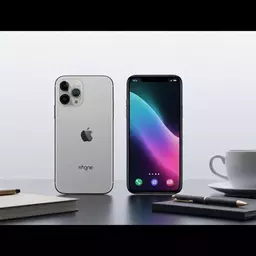
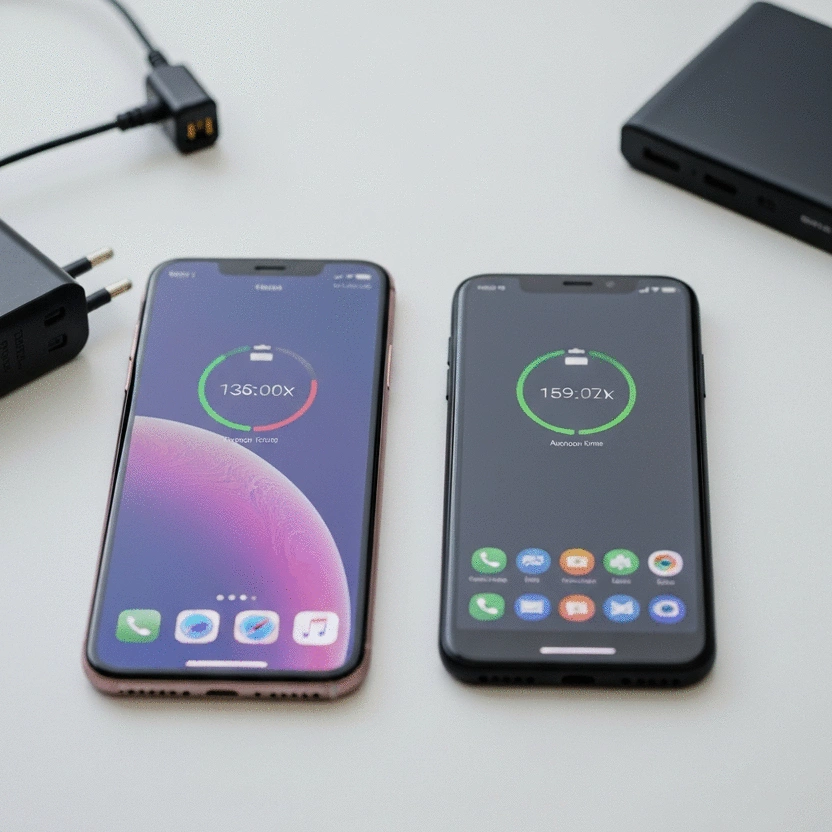
A side-by-side comparison of the iPhone 17 Pro Max and leading Android models, covering key performance metrics and battery capacities.
iPhone 17 Pro Max Performance
Known for hardware-software integration and strong power management.
- Talk Time: ~28 hours
- Video Playback: ~25 hours
Capacity: 4,400 mAh
Android Flagship Performance
Diverse battery capacities and performance optimizations across models.
- S26 Talk Time: ~24 hours
- Pixel 10 Saver Mode: Up to 48 hours
S26 Capacity: 5,000 mAh
Pixel 10 Capacity: 4,600 mAh
Battery Performance Metrics
Standby Efficiency
Conserves battery while idle.
Background App Freezing
Impact of apps running in the background.
Real-World Usage
Daily activities like browsing, gaming, streaming.
Optimization Strategies
iOS Peak Performance & Charge Limit
- Enable Peak Performance Capability
- Set 80% Charge Limit
Android IMAP IDLE & AccuBattery
- Configure IMAP IDLE
- Use AccuBattery for Monitoring
Comparing iPhone and Android Battery Life in 2026: Insights from Real-World Tests
As we dive into the 2026 smartphone landscape, I can't help but get excited about how battery life has improved across devices! In this section, we'll compare the iPhone 17 Pro Max with leading Android models like the Samsung Galaxy S26 and Google Pixel 10. Each of these smartphones brings unique enhancements to battery performance, and understanding them can help you make informed decisions. For a deeper dive into how iPhone battery life compares to Android, explore this comprehensive comparison by Android Authority.
The iPhone 17 Pro Max stands out with its impressive integration of hardware and software, enabling seamless power management. Meanwhile, Android models are pushing the envelope, offering various battery capacities and performance optimizations. Let's explore how these leading devices measure up in real-world scenarios!
What to Expect: iPhone 17 Pro Max vs. Leading Android Models
In real-world tests, the iPhone 17 Pro Max consistently delivers strong performance, often outlasting its Android competitors in various usage scenarios. This includes everything from video playback to gaming. Here’s a quick comparison of some key features:
- iPhone 17 Pro Max: Typically offers around 28 hours of talk time and up to 25 hours of video playback.
- Samsung Galaxy S26: Known for its adaptive battery features, it can reach up to 24 hours of talk time with enhanced gaming modes.
- Google Pixel 10: Features a battery saver mode that can extend usage up to 48 hours under optimal conditions.
These insights are crucial as they highlight the advancements in battery tech and how they cater to different user needs. It's fascinating to see how each device approaches power management! You can also read more about how Android is now flipping the script on iPhone battery dominance.
Understanding Battery Performance Metrics: Key Factors to Consider
When it comes to evaluating battery performance, there are several key metrics that play a crucial role. Understanding these can help you gauge which smartphone best suits your needs:
- Standby Efficiency: How well a phone conserves battery while not in use.
- Background App Freezing: The impact of apps running in the background on battery life.
- Real-World Usage Scenarios: Daily activities like browsing, gaming, and streaming.
By analyzing these metrics, we can better appreciate the differences in performance between the iPhone and its Android counterparts. Each device excels in certain areas, but understanding your own usage patterns will ultimately guide you to the right choice.
Battery Capacity and Its Impact on Longevity
Battery capacity is a critical factor affecting how long your smartphone lasts throughout the day. Generally measured in milliampere-hours (mAh), it indicates how much charge a battery can hold. Here’s how capacity varies:
- iPhone 17 Pro Max: Boasts a capacity of approximately 4,400 mAh.
- Samsung Galaxy S26: Comes with around 5,000 mAh, giving it an edge for heavy users.
- Google Pixel 10: Features a 4,600 mAh battery, focusing on efficiency and longevity.
As we can see, a higher capacity often correlates with longer battery life, but it’s not the only factor at play. Apple’s optimization strategies ensure that the iPhone 17 Pro Max effectively utilizes its capacity for extended use. This is why understanding both capacity and software efficiency is vital for making the best choice! For a detailed analysis of iPhone versus Android battery life, including capacity comparisons, check out this insightful article from EcoFlow.
Optimizing Battery Life on iPhone and Android Devices
Now that we've explored how these devices perform, let's look at practical tips for optimizing battery life on both platforms. This can make a significant difference in your everyday usage.
Platform-Specific Tips for Enhancing Battery Longevity
Here are some actionable steps for both iOS and Android users:
- iOS: How to Enable Peak Performance Capability and 80% Charge Limit
- Android: Configuring IMAP IDLE and Using AccuBattery for Monitoring
Implementing these strategies can help you get the most out of your device's battery life, whether you’re a casual user or a heavy gamer!
Power Optimization Strategies for iPhone and Android Users
Best practices for utilizing power-saving modes and managing background processes can further extend your battery life. For instance, enabling low-power mode on your iPhone or adjusting battery saver settings on Android can work wonders. This way, you can keep your phone running longer, especially during long days away from a charger.
Frequently Asked Questions
Q: Which smartphone has better battery life, the iPhone 17 Pro Max or leading Android models?
A: The iPhone 17 Pro Max often excels in real-world tests due to its hardware-software integration, consistently outlasting many Android competitors in various usage scenarios, including video playback and gaming.
Q: What are the key metrics to consider when evaluating smartphone battery performance?
A: Key metrics include standby efficiency (how well a phone conserves battery when idle), background app freezing (the impact of apps running in the background), and real-world usage scenarios (daily activities like browsing, gaming, and streaming).
Q: How does battery capacity differ between the iPhone 17 Pro Max and Android flagships?
A: The iPhone 17 Pro Max has a battery capacity of approximately 4,400 mAh. In contrast, the Samsung Galaxy S26 boasts around 5,000 mAh, and the Google Pixel 10 features a 4,600 mAh battery. While higher capacity often means longer life, Apple's optimization strategies ensure efficient use of its capacity.
Q: What are some practical tips for optimizing battery life on iOS devices?
A: For iOS devices, you can enhance battery longevity by enabling features like Peak Performance Capability and setting an 80% charge limit to reduce battery degradation over time.
Q: What are some practical tips for optimizing battery life on Android devices?
A: For Android devices, optimizing battery life can involve configuring IMAP IDLE settings for email and using monitoring tools like AccuBattery to track and manage battery health and usage.
Q: Is it true that closing background apps saves battery life?
A: This is a common misconception. In reality, constantly closing and reopening apps can often consume more power than leaving them suspended in the background, as relaunching them requires more energy.
Common Battery Myths: Debunking Misconceptions
Let’s take a moment to fact-check some common battery myths. One prevalent misconception is that closing apps saves battery life. In reality, this can often drain more power than leaving them open! Understanding the science behind battery management can help you make better decisions. Let's clear up some more of these myths!
Long-Term Battery Health: What the Data Shows
Finally, it’s essential to consider how battery health degrades over time, as this is a significant factor in device longevity. User-generated data suggests that while both iPhone and Android batteries may experience wear, the rate of degradation can vary greatly. Understanding these patterns can help you maintain your device’s health much longer!
Pro Tip
To maximize battery life on your smartphone, consider reducing screen brightness and limiting background app activity. Additionally, enabling battery saver features can significantly extend your device's longevity during critical usage times.
Final Thoughts: Choosing the Right Device for Your Needs
As we wrap up our exploration of battery life in 2026, it's clear that both the iPhone 17 Pro Max and leading Android models, like the Samsung Galaxy S26 and Google Pixel 10, offer impressive performance. However, your ultimate choice depends largely on your specific needs and usage patterns. For instance, if you're constantly multitasking, you might lean towards a model with strong battery management capabilities.
In addition to battery life, consider factors like your preferred operating system, the types of apps you use, and how often you rely on your device throughout the day. The right smartphone can enhance your experience and ensure you’re never left scrambling for a charger!
Take Action: Optimize Your Device Today
Now that you've gained valuable insights into battery performance and optimization, it's time to take action! Here are some actionable steps you can implement right away:
- Download optimization tools, such as AccuBattery for Android, to monitor your battery health.
- Check the battery health settings on your iPhone by navigating to Settings > Battery > Battery Health.
- Enable power-saving modes on both platforms to extend your battery life during heavy usage.
These simple steps can significantly enhance your smartphone's longevity and performance. Remember, at Smartphone Insights, we’re dedicated to helping you maximize your smartphone experience. So, don’t hesitate to explore our resources for further guidance on optimizing your device!
Recap of Key Points
Here is a quick recap of the important points discussed in the article:
- Battery Life Comparison: The iPhone 17 Pro Max often outperforms Android competitors like the Samsung Galaxy S26 and Google Pixel 10 in real-world scenarios.
- Key Metrics: Factors such as standby efficiency, background app freezing, and real-world usage scenarios are crucial for evaluating battery performance.
- Battery Capacity: The iPhone 17 Pro Max has a capacity of approximately 4,400 mAh, while the Galaxy S26 offers about 5,000 mAh, demonstrating different approaches to battery longevity.
- Optimization Tips: Users can enhance battery life by utilizing features like Peak Performance Capability on iOS and AccuBattery on Android.
- Common Myths: Misconceptions, such as the belief that closing apps saves battery, can hinder effective battery management.
- Long-Term Health: Understanding battery degradation over time is essential for maintaining device longevity.

Elena Montgomery
Tech writer. Smartphone enthusiast. Mobile technology expert.
Elena Montgomery is dedicated to transforming complex tech information into insightful, easy-to-understand content, empowering smartphone users to embrace a smarter mobile lifestyle. Join her on our blog for daily tips and tailored strategies that simplify your tech choices and enhance your digital experience.