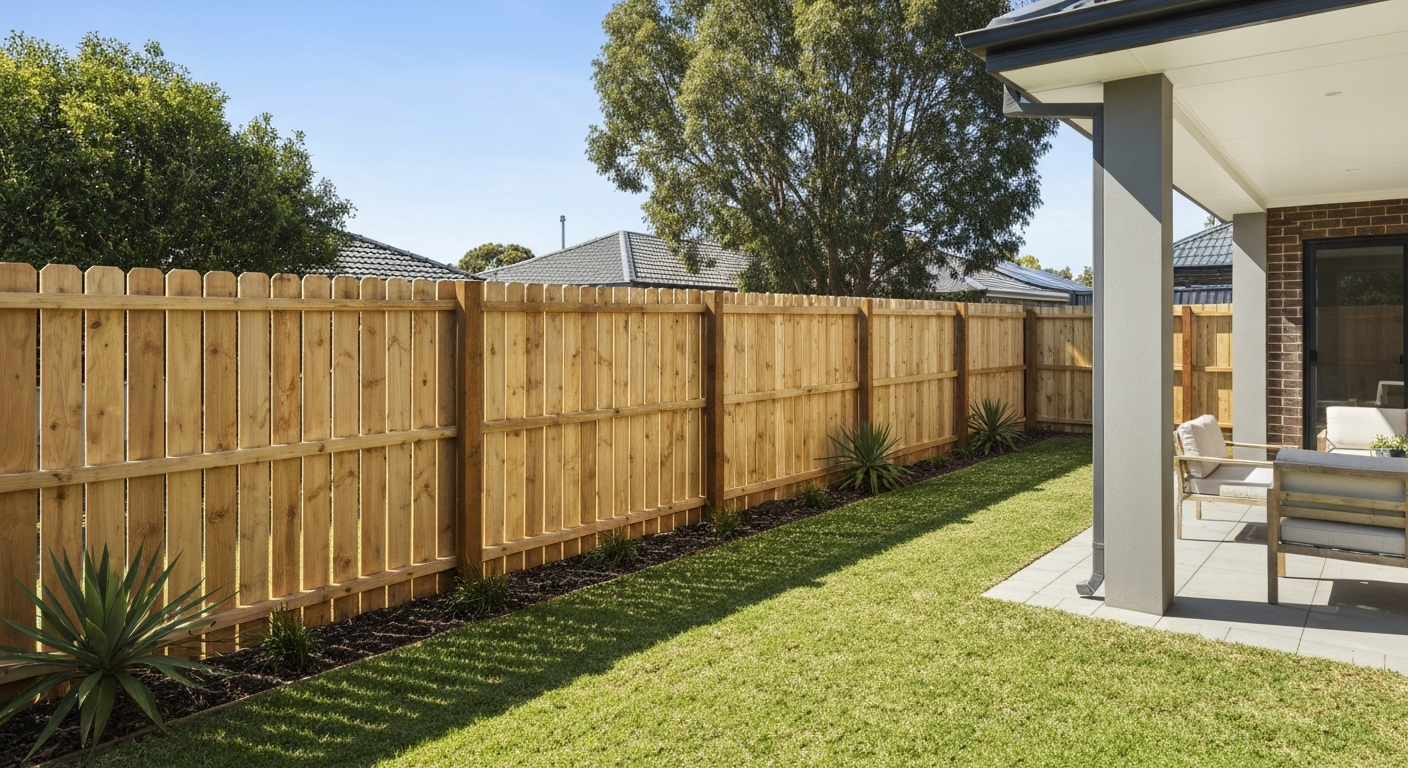
Fence Company vs. Do It Yourself: Is It Worth It?
I've installed fencings for friends, I have actually viewed next-door neighbors duke it out "fast" weekend break projects, and I've also based on a jobsite with a fence team when the weather turned and the ground refused to cooperate. A fencing looks straightforward from the street, simply boards, posts, and equipment. Up close, it's dirt chemistry, dimensions that must be repeatable, and choices that either pay you back later or haunt you for years.
So the genuine concern isn't simply "Should I save cash?" It's whether you intend to trade your time and stress and anxiety for a predictable outcome. Whether a fence company is "worth it" relies on a couple of really sensible factors: your ground conditions, the fence design you want, your resistance for intricacy, and how much you value getting it done right the very first time.

Below is the means I would certainly think about it before spending a dollar.
The part nobody tells you regarding: fencings are logistics, not carpentry
A do it yourself fence effort typically begins with a trip to a home facility, a tape measure, and positive outlook. The part that reduces people down is hardly ever reducing boards. It's whatever around the cutting.
Post positioning is the pounding heart of a fencing. If you're also a little off on spacing, placement, or level, everything after that either looks incorrect or ends up being a "repair it later" spiral. "Later on" always sets you back extra. Also if you're not paying labor, you're paying in trips for supplies, returning boxes you no longer requirement, and renovating job you assumed you finished.
A fence company, on the other hand, normally runs fence jobs as a system. They're not magic, however they do have repeat experience with design approaches, blog post deepness methods for various soil types, and the nuisance realities of authorizations, residential or commercial property lines, and access.
That experience matters most when your lawn is not a blank slate.
If your building gets on an incline, has actually buried utilities, or has rough or clay-heavy soil, DIY becomes less of a weekend break job and more of a multi-day settlement with the ground. That's where the "is it worth it" question transforms real.
DIY can be the right option, however only under certain conditions
Let me be clear: DIY isn't automatically a poor concept. I have actually seen DIY fencings turn out outstanding, especially for homeowners that are comfortable gauging, troubleshooting, and renovating little parts prior to the fence secure its final shape.
DIY works best when the fence is:
1) Brief and straightforward
A tiny backyard run, a straight section with very little corners, and no limited gates.2) On very easy soil
If the ground is fairly soft and consistent, you can establish articles without fighting rejection midsts, duplicated exploration, or gigantic voids.3) Easy style
A fundamental privacy panel design with common rails and uniformly spaced pickets is much more forgiving than elaborate layouts, made complex latticework, or great deals of custom-made transitions.4) You have the time
Not "I'll do it after work," but actual blocks of time. A fence project commonly extends due to the fact that drying out, assessment, and supply runs do not fit nicely into evenings.5) You're fine with finding out in public
The fencing will reveal what you find out. A DIY fencing can be straightforward and attractive, but the top quality differences are visible when blog posts aren't really plumb, boards aren't constant, or entrances don't align.If these boxes do not look into, DIY can still be possible. It just quits being a casual bargain.
Where a fence company normally wins (and why)
A fence company gains its charge in specific groups, not obscure "professionalism and trust." When those groups matter to you, employing can be the wise move.
1) Format accuracy and straightness over time
A fencing looks "straight" when it's degree in the means the human eye anticipates, not simply mathematically straight. Blog posts have to be equally spaced, edges have to correspond, and any slope needs to be handled deliberately.
An excellent fence company will normally have a repeatable technique for string lines, post alignment, and spacing resistances. That suggests less "why does this gateway not shut?" moments later.
2) Article setting in genuine ground
Not all soil behaves the very same. Some dirts compact well and hold articles with much less drama. Others are clay that can heave, or sandy soil that does not stabilize as rapidly, or rough locations that make it difficult to get to regular depth.
In my experience, also careful DIYers take too lightly how long post openings take when the ground is stubborn. If the project is postponed, the fencing materials rest, routines obtain tight, and the whole sequence becomes harder to manage.
A fence company generally brings the appropriate arrangement for boring or excavating post holes, and they're utilized to changing deepness based on local methods and the problems they encounter.
3) Permits, residential property lines, and the unglamorous paperwork
Sometimes the hardest component is not building. It's validating you're allowed to develop where you're intending to build.
Depending on your place, there might be permit demands, height limits, obstacles, or rules concerning fence positioning relative to property lines. A fence company that frequently works in your location tends to understand which inquiries to ask prior to the initial blog post goes in.
DIY can handle these actions, but you require to do them early. A fencing integrated in the wrong area is not just a cosmetic concern, it's a renovate risk.
4) Security and tools
Fence setup is physical. Digging holes, managing long rails, lifting hefty panels, and working about gates and hardware is where injuries take place. Likewise, if you require specialty tools like a post-hole auger arrangement, concrete mixing arrangements, or appropriate cutting equipment, those prices build up fast.
If you currently own what you require, do it yourself begins to look much more eye-catching. If you need to rent and get tools you'll never ever use once again, the mathematics changes.
The genuine price contrast: money is not just materials
When individuals compare "fence company vs. do it yourself," they typically concentrate on the price tag of the lumber and think labor is the only difference. That's not just how budget plans behave.
For do it yourself, your expenses generally consist of:
- Materials for posts, rails, pickets/panels, equipment, brackets, and bolts
- Concrete or supporting base products where required by your plan
- Tools you have to acquire or rent
- Transport and added fuel for returns
- Time (and any type of paid assistance you make use of on the weekend breaks)
For a fence company, your prices normally consist of:
- Labor for format, excavation, setting up, and ending up
- Equipment and process administration
- Often, handling of usual sourcing concerns so you are not waiting on one missing box
- Cleanup and hauling away particles
- The worth of their procedure, specifically for straightness and gate positioning
Now the challenging part: DIY time ends up being expensive if the task drags out. I have actually viewed do it yourself develops delay since one supply is backordered or a step needs redoing because of alignment. The expense isn't only cash, it's also how you feel dealing with the halfway fence.
A fence company sets you back much more upfront, but it can lower the threat that you invest twice due to the fact that the first effort isn't stable or straight.
What do it yourself mistakes most often, and how it turns up later
The most aggravating DIY issues are the ones that look "fine" on the first day and degrade swiftly, or show up right away when you're trying to operate gates.
Here are common failing settings I've seen repetitively, with the sensible signs they create.
Posts that aren't really plumb and stable
A fencing can be slightly out of plumb and still look acceptable for some time. After that wind tons and seasonal adjustments do their job. The inform is irregular voids, totter near corners, or boards that do not sit consistently.
Spacing that drifts
Even if you gauge at the start, spacing can drift when you're relocating rapidly. The fencing starts to look "active," not equally paced. For privacy fencings with very closely spaced boards, tiny spacing variants end up being big visual differences.
Gate positioning issues
Gates are a grandfather clause due to the fact that they're relocating equipment with weight and utilize. If hinges aren't straightened, if messages aren't placed completely, or if the frame isn't square, you obtain binding. Eventually it might close, but it's harder to open up and it never ever rests evenly.
Underestimating climate windows
Wood expands and agreements. Some adhesives or finishes require conditions that you can't manage. If you're trying to end up before rain without weatherproofing choices planned, the fencing can catch dampness or unevenly finish.
This is where a fence company can help. Not since they control the sky, however due to the fact that they intend sequences and phases around functional conditions.
Styles and materials: what alters the decision fastest
Different fence designs behave in different ways during installation.
A straightforward wood personal privacy fencing is one thing. A metal fencing with certain panel placement demands is another. Vinyl fencing has development and placing considerations. Wrought iron requires more cautious progressing and commonly much heavier coordination.
If your design includes several levels, lots of corners, or ornamental shifts, do it yourself becomes more skill-intensive.
Here's a quick fact check based on experience: the extra custom-made your layout, the a lot more you gain from a fence company. Simple, right, and repetitive is where do it yourself really feels closest to "complimentary labor." Complicated and irregular is where the specialist process saves you from yourself.
The adventurous do it yourself happy medium: partner up, do not white-knuckle it
If you're the type of individual who takes pleasure in structure but wants less shocks, there's a middle method that can be a win.
You can do some prep work yourself, then employ a fence company for the parts that are hardest to get right. For example, you might handle gauging and clearing brush, while professionals handle blog post installment and the complicated placement steps.
This approach functions best when you're sincere regarding your limitations. If you know you can develop straight lines and you have the perseverance for duplicated measuring, DIY can still be purposeful. If you recognize you're likely to reduce edges because you want it done, it's far better to let the team own the important alignment.
It's also often simpler to obtain an excellent quote from a fence company when you clear up which scope is your own. Some business prefer full scope. Others will work with a partial partnership.
A brief checklist for choosing which course fits you
If you want an easy decision lens, I 'd use a handful of concerns. Not to frighten you, however to make the option based on reality.
- How several corners and gateway openings remain in your strategy, and are you handling a slope?
- Can you with confidence situate building lines and comprehend local height or trouble rules?
- Is the ground easy to dig, or are you most likely to strike rocks, clay, origins, or drainage issues?
- Do you have the time for format, several measurements, and a slower assembly procedure to keep alignment true?
- What's your tolerance for a fencing that could require change after the very first season?
If you're mostly addressing "no" or "unclear," that's usually the toughest signal to call a fence company. If a lot of responses are "yes," do it yourself can be reasonable.
How to speak to a fence company without getting sold
Hiring a fence company ought to feel like cooperation, not like you're simply turning over cash and expecting the best. The best phone calls are the ones where you ask specific inquiries and compare responses.
You desire clearness on:
- How they deal with format and placement
- What they do about post depth and stability for your dirt kind
- How gates are mounted and readjusted
- What materials and hardware high quality you're obtaining
- Whether they consist of clean-up and transporting
- What occurs if they encounter unexpected concerns, like utilities or rock
Also, don't be reluctant concerning requesting for a timeline. Fences commonly get set up based on weather and staff schedule. If your objective is "prior to an event," you require that date discussed early.
The "worth it" component frequently boils down to communication. A fence company that addresses inquiries plainly, offers details, and clarifies compromises is giving you worth beyond the labor.
The DIY strategy that remains sane (and doesn't end up being a month-long legend)
DIY can be pleasing when you construct a fence like a project, not like a weekend whim. That implies sequencing and controlling the job so it doesn't sprawl.
Before you acquire materials, map out your operate in the order it should take place. For instance, you commonly need right layout and article placements prior to you can precisely cut rails and boards. If you cut whatever initial based on assumptions, you'll end up adjusting later on, and change is where DIY top quality frequently slips.
I likewise suggest building with margin. Leave room for minor changes at corners, and do not deal with every post area as "completely the same." Timber fence forgives some mistake, however just small error.
When you're installing, move slower than you believe you need to, specifically when establishing blog posts. When you set articles, whatever else follows.
And if you're using concrete, be mindful that treating and completing choices affect lasting security. If you're unsure about the timing for dealing with blog posts and assembling rails, examine the specific assistance for your materials and regional conditions, as opposed to guessing.
When DIY is truly not worth it
There are circumstances where hiring ends up being the clear champion, even if you wish to conserve money.
If you're managing any one of the adhering to, do it yourself can end up being costly rapid:
- A large fencing with numerous sections and long runs
- Multiple entrances, especially double gates or heavy-use entryways
- A yard with considerable incline or complex shifts
- Rocky or unusually tough ground
- Limited capacity to stage tools, dig, or shop products securely
- A tight deadline where hold-ups would certainly be expensive
Not due to the fact that DIY is difficult, yet due to the fact that the danger of rework is high and the price of your time expands with every interruption.
A fence company can absorb a few of that risk with experience and process. Your time is your most restricted resource, and it's not always apparent exactly how quick it gets spent.
Where the argument generally lands: worth is about your preferences
The most beneficial way I've found to determine is to assume similar to this: a fence is partially an investment and partly an everyday experience.
If you want the process to be predictable, and you care about straightness, gate function, and clean completing, a fence company commonly earns the cash. You're paying for fewer surprises.
If you intend to learn, you take pleasure in hands-on job, and your fence is modest in complexity with manageable ground conditions, do it yourself can absolutely deserve it. You obtain contentment, and you can customize details along the way.
The secret is honesty. If you're aiming for a "best" fence and you recognize you'll rush to satisfy your own expectations, working with often leads to a far better end result. If you fit with a "good and getting better as I go" attitude, DIY can still supply strong results.
My take: employ the vital job, DIY the components you can control
After all the measuring, the drilling delays, and the moments where a person understands an entrance frame needs modification, the choice ends up being less complex than it seems.
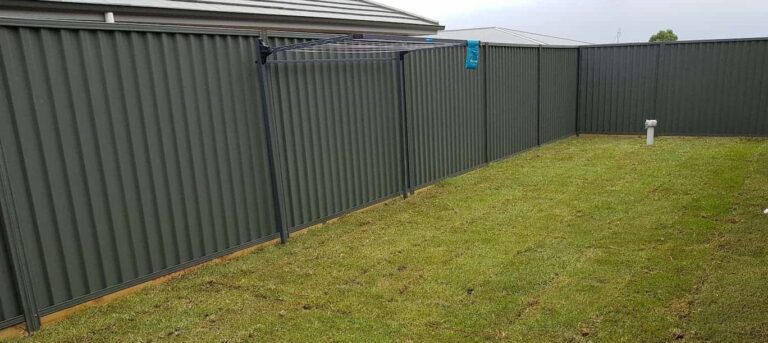
A fence company is worth it when positioning and stability matter most, when your site is challenging, and when you want a smooth path from strategy to end up fence. Do it yourself deserves it when the work is uncomplicated, you have time, and you're prepared to deal with design and article setting as the major event.
If you want a daring answer, right here it is: be daring, however be strategic. Allow the experts own the hardest components if you're uncertain you can control them, and conserve your do it yourself power for parts of the task where you'll get joy instead of stress.
That's the version of this choice that settles long after the boards are installed.