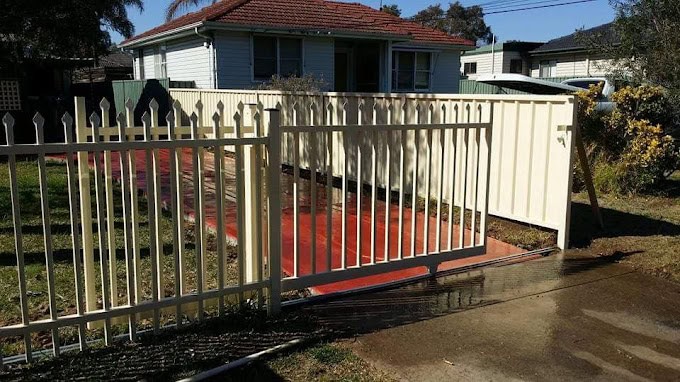
Just How Fence Contractors Reduce Lawn Interruption
Every yard is a little ecosystem. Turf conceals sprinkler lines. Mulch cradles brand-new origins. Crushed rock courses reveal the last footprint for hours. When a fencing task rolls in with vehicles, posts, concrete, and power tools, that ecological community can get wrecked quickly. Great Fence Contractors treat a lawn like a backcountry path that is entitled to mindful footwork, not like a jobsite to bulldoze. The very best work looks almost as if the earth decided to expand a fencing on its own.
I have set up fencings through soggy springtimes, heat waves, and neighborhood obstruct events. I have browsed lawns with championship roses on one side and a koi fish pond on the other. There is a craft to getting in, establishing messages straight and deep, and going out once more with the yard undamaged and the customer smiling. Right here is just how a knowledgeable Fencing Contractor plans and performs for very little disturbance, and what you can do to help them succeed.
Scouting the Site Like a Trailhead
A careful layout day saves a yard. The initial check out has to do with mapping the route, not moving dirt. A seasoned fence installer strolls the property with a canister of upside down spray paint, a string line, and a notebook. You can identify the pros by exactly how they move. They stop where quality adjustments. They squat near trees. They trace the line of an existing wall surface with their hand, trying to find humps and dips.
Utilities get removed prior to anything else. In a lot of areas you can ask for public utility locates 2 to 5 service days prior to digging. That marks gas, electrical, phone, and fiber. Those flags and paint lines are pointers, not scripture. Great service providers still dig thoroughly within 24 inches of a mark. Personal energies live outside the paint: irrigation pipelines, landscape illumination, drainage corrugates, unseen canine fencings. A veteran Fencing company will certainly ask about those and may utilize a probe pole or a low-pressure vacuum cleaner to confirm depths near suspect areas. When a home owner claims, "I assume the sprinkler main mores than right here," we pay attention like a hiker listens to a weather report.
Grades, trees, and access are the following checkpoints. On a level patch you can auger tidy openings and rarely mess up the turf. On a slope, the choreography shifts. You may require stepped areas or racking panels. Around a heritage oak you can not just chop roots. A Fence Company with arborist feeling will certainly flex the line five inches if that shields a feeder root. If secure accessibility is tight - claim a 36 inch gateway to reach the backyard - the staff prepares for compact devices, panel hosting, and more hand work. Fewer trips equivalent fewer ruts.
Even the fence design impacts the footprint. Light weight aluminum rackable panels slot in with less fumbling than heavy cedar. Vinyl messages are lighter, however several systems ask for broader openings. Steel posts driven rather than set in concrete leave the least mess of all, thinking the dirt invites that method. That judgment includes mileage.
Equipment Choices That Respect Turf
You can attract a straight line in between tools option and backyard marks. A thoughtful fence installer selects devices the means a mountaineer chooses boots.

For hole creation, a 2 individual hand auger is slow and constant, especially inside decorative beds. A portable skid steer with a 9 or 12 inch auger chews through clay and glacial till, however it weighs 3,000 to 8,000 pounds with accessories. I just bring a device on the lawn when soil is tough or the run is long. When I do, I lay down plywood or ground protection floor coverings to spread out the load. One 4 by 8 sheet of plywood can shave tire ruts from half a day's job. On limited turns by patios, moving the equipment on rubber tracks instead of tires assists. For truly delicate grass in springtime, we park the maker at the curb and wheel spoils in buckets. Slower, much cleaner.
Vacuum excavation is a peaceful hero in difficult backyards. A little hydro-vac with a wand and water stress reduces a cool hole without tearing origins. It radiates near energies and in beds with drip lines. Not every Fencing installer buys this tool, and not every dirt reacts well, yet if a client points to valued landscaping, I discuss it as an option.
Sawing and cutting terminals are an additional hidden resource of mess. You do not require to declare half the grass for a chop saw. A basic sacrificial plywood table by the driveway manages sawdust and keeps neighbors from capturing cedar confetti in the wind. All bolts and small components reside in bins, out tarps that end up being journey threats. Precision hosting keeps a website tidy.

Strategies for Article Holes that Do Not Swallow a Yard
Digging well is half the fight. The remainder is what you make with the dust. I found out early that the very best opening is invisible by suppertime.
Hole placement begins with string lines and batter boards, not "eyeballing it." Strings are set just off the last fencing line to stay clear of massaging wet concrete. With edges secured, we note facility points for each article making use of a paint dot no larger than a coin. Those dots keep the yard from resembling a parking lot. When a customer prepares future beds, I shift holes a couple inches within resistance to avoid root balls. That type of nimble play matters.
In soft grass, turf connects come out first. I cut a neat circle with a sod blade, set the plug on a plastic tray, and keep it damp. When the article collections, that specific plug returns over tamped backfill. You can not tell an opening existed a week later on. On fescue or rye, the joint mixes after a mowing. On Bermuda, the plug knits quickly with summertime heat.
Spoil administration divides pros from pretenders. Fluff element is genuine. A 9 inch by 30 inch opening produces concerning 1.5 to 2 cubic feet of spoil, which puffs when it leaves the ground. On a 100 foot fencing with 12 articles, that is 18 to 24 cubic feet, virtually a yard of loosened soil. Unload that anywhere and you will certainly choke turf. We stack spoils on tarpaulins along the line, not in piles that move into beds. If a soil heap faces rainfall, we cover it. If there is nowhere to store spoils without smothering yard, we fill it bent on a trailer in phases. Several customers do not need the dust back. When they do, we feather it thin along low spots after the fence goes in.
Concrete usage needs skill. Bag-mix around blog posts can spray, discolor, and leave lumps if poured thoughtlessly. I choose a controlled slurry or dry pack technique depending upon the dirt. Dry pack sets with moisture from the planet and a controlled enhancement of water, which means less runoff. On sloped yards, I set a dust dam with a trowel so water can not bring paste away. Fiber-reinforced foam set is another alternative for light weight aluminum and light steel blog posts. It considers a fraction of concrete and entails much less hauling, which frequently indicates less travel throughout the lawn. It is not the ideal selection for each tons or frost problem, yet it has a place in the kit.
In frost areas, bell-bottomed holes resist heaving however can eat turf if you go as well large. A sharp clamshell miner can cut a cleaner bell by hand than a plain mechanical auger. Profundity below pays off years later on when the fence maintains its line after a winter months of freeze-thaw.
Pathways, Pads, and the Art of Not Leaving Tracks
Most damages does not come from the excavating. It comes from relocating individuals, panels, and articles backward and forward, hour after hour. The service is choreography.
Staging areas belong on hardscape: the driveway, an outdoor patio, or a compressed gravel area. If the only option is grass, we roll out a brief plywood runway from the aesthetic to the hosting pad. Wheelbarrows travel on that particular path. When we transform, we transform large so we do not grind a rut. On sprinklers, we lift the plywood very carefully instead of dragging it. Puncture a head as soon as and you bear in mind forever.
Catch mats live under saws and mixers. A 6 by 8 tarpaulin takes secs to deploy and a min to shake clean. When mixing concrete, we bring water to the mixer, not the mixer to the hose pipe. Those little choices diminish the job's footprint.
Weather matters. Clay dirt in the rain behaves like a young child with finger paint. If a damp spell impends, I call clients and move the routine instead of churn their lawn to soup. If we can not avoid it, we swap heavy devices for hand job and limit passes. In some cases we seed and straw minority mud marks we can not prevent. I have actually never had a customer distress that we waited three days for the yard to dry. I have actually had clients dismayed at ruts that take a month to heal.
Posts Without Concrete: Driven, Helical, and Sleeved Options
If the backyard is a museum piece, think about article systems that disrupt less ground. In firm soils, a steel message can be driven with a pneumatic motorist. The opening disappears due to the fact that there is no opening. The trick is line and plumb. A liquid chalked string, an article degree, and a stable hand with the motorist keeps the run crisp. Driven systems shine with ornamental steel or aluminum.
Helical stacks with small blades twist right into the dirt with a portable or skid-steer-mounted vehicle driver. You check out torque as a proxy for bearing capacity, after that screw a sleeve or brace for the fence message. The ground disturbance is barely larger than the heap shaft. Helical is more expensive in products, more affordable in cleanup, and perfect around mature origins since you do not slice with a web of feeders. I have actually made use of helicals near maples and watched the vegetation thank us the following season.
Sleeved posts allow you establish a larger housing once, level and secure it, then go down the finished message after the mess is gone. On renovation jobs where bushes crowd the line, sleeves conserve branches from wrestling matches. Each technique trades higher planning for much less footprint.
Respect for Origins, Rocks, and the Hidden Life Underfoot
Trees, roots, and old dirt tell their own stories. A Fence Contractors team with persistence reviews them. I have actually pried out a solitary granite patch the dimension of a watermelon that sat exactly where a gate lock wished to live. Options because moment: beat the rock to crushed rock with a breaker, shift the lock 3 inches, or increase the fence line a hair and keep the latch where it functions ideal. The best phone call fits the site.
Large origins within the outer third of a canopy likely feed the tree. Cut way too many, and the cover thins following year. For the most part, I snake a line around a root, make use of a half article balanced out, or bridge a short period with a rail brace to skip an opening. A little jog that respects a 4 inch root is worth greater than a laser-straight line that cripples a healthy maple.
Irrigation meets fence lines more often than individuals think. Lawn sprinkler keys typically run 6 to 12 inches deep, shutoffs being in boxes, and poly laterals can twist right where you desire a message. A probing rod and a brief activation of each zone map the threat rapidly. When a cut occurs despite treatment, a prepared Fencing Contractor brings couplers and fixing fittings to spot it right away. A soaked crater is even worse for turf than a sincere, rapid repair.
Noise, Dirt, and Next-door Neighbor Diplomacy
Your grass is not the only thing at stake. Peace and relationships with next-door neighbors count. I knock on eviction, not simply the door, and I greet pets with a calm voice. This seems little. It calms the day. I alert neighbors if augers or motorists will certainly run prior to lunch. I trim cutoffs with a slice saw on a rubber floor covering to mute the clang. I maintain dirt flying west, not right into the neighbor's patio collection. A website can be tidy and still be irritating if a person screams over a generator for hours. Battery motorists and hands-on tampers assist below. So does planning cuts in batches.
On shared fencings, offsets of inches matter. A string on the building line keeps moods cool down. Where two yards break at a hedge, I note the line with flags and take pictures. A Fencing company with consistent great behaviors saves you a weekend debate by assuming ahead.
The Minimal-Disruption Playbook
Here is the brief version of how a cautious fence installer maintains a lawn resembling itself:
- Confirm energies, probe for private lines, and change layout within resistance to evade roots and pipes.
- Stage on hardscape, lay plywood courses, and keep hefty devices off the lawn when possible.
- Cut sod plugs, tarp spoils, and backfill tidy with compaction that matches the surrounding soil.
- Choose installation approaches that fit the website - driven blog posts, helicals, or sleeves where appropriate.
- Clean as you go, seed any scuffs, and walk the line with the proprietor before packing up.
That is the routine I show brand-new crew members. It is not expensive. It is exactly how you leave a lawn ready for bare feet.
When Big Yards Demand Large Gear
Some tasks push the needle. A 600 foot farming run with woven cord on T-posts begs for a tracked machine. A business chain-link boundary with 60 messages on a crushed rock whole lot suggests core drilling and vacuuming dust. If you hire a Fence Company for a task like that, ask exactly how they will maintain the route. On ranch installs, we frequently drive a small track loader along an area edge rather than going across a backyard. On crushed rock, we tape a vacuum cleaner to the drill gear so clouds of dirt never happen. Industrial tasks still benefit from homeowner-grade respect. A clean route cuts the cleanup time sharply.
On long property lines, I damage the job into shucks, 40 feet at once. This way tarps and mats hopscotch onward and you never see the entire lawn in change. Groups that spread dig 100 openings at the same time wreak havoc and compaction. Teams that run sheaths keep control.
Weather Windows, Frost Lines, and Soil Moods
Soils have characters. Sand drains pipes and breaks down, so you dig narrow and set quickly. Clay smears and holds water. If a rainfall rolls in on clay, a hand auger can brighten the walls and develop a sleeve that withstands bonding. The repair is straightforward: roughen the wall surfaces with a clamshell miner and bell all-time low a touch, or switch to a pier that attacks deeper listed below the mush area. Information like that prevent post motion and conserve return visits.
Frost deepness sets the minimum hole deepness in lots of areas. Establish shallower and heave will certainly raise a fence like a negative magic trick. Go deeper and the grass impact grows. An experienced Fencing Contractor equilibriums code, dirt, and load. On light picket fences in sandy, unfrosted areas, 18 to 24 inches with compaction can be plenty. On 6 foot privacy in Minnesota clay, 42 inches is common, and the job slows to safeguard turf in the cold. You can not rip off physics, but you can prepare for it.
Summer heat alters the rules too. Concrete flashes quickly, which implies less water on website and fewer drips. Lawn can burn under piles of spoil in an hour. We cast smaller spoil piles, tuck them in shade, and relocate quicker from hole to hole.
The Distinction In between a Fence Installer and a Yard Partner
Plenty of people can establish panels plumb. The difference shows up in the small talk and the tiny acts. I ask what gateway swing clears the lawn mower course you really use, not the one we mapped out in a vacuum. We utilize bungee cables, not wire connections, to hold branches throughout the day so bark never ever marks. We pile panels with foam spacers to safeguard the coating. At lunch, we coil hoses back where we discovered them so no person trips. These are routines you get from years of fixing little problems before they matter.
A Fencing company that treats lawns as companions fees for that care. You will see it in a proposal that consists of ground defense, ruin haul-off, and a site-walk at the end. If a quote is obscure where the grass meets the job, request specifics. The most affordable number on paper can become one of the most costly project when you are reseeding in September.
A Property owner's Preparation That Makes All the Difference
Here is a fast checklist you can run a day before the crew arrives. 5 tiny actions can spare your yard and your nerves.
- Mark personal lines and features: show sprinkler shutoffs, pet fences, low-voltage runs, and buried lawn drains.
- Clear the line by 2 to 3 feet: relocate furnishings, toys, and planters so installers do not produce detours on the grass.
- Water the lawn lightly the evening before in heat: damp soil cuts dirt and aids clean sod plugs hold shape.
- Reserve parking and gain access to: leave driveway space and, when possible, unlock side gateways so courses stay short and contained.
- Snap a couple of pictures of the lawn: you will have a referral for plant placements and grass problem before work starts.
Clients who do this see crews move. Little prep shrinks the job area and keeps traffic predictable.
Edge Situations and Judgment Calls
Every fence has at least one moment where the book goes out the window. I bear in mind a backyard with a soft, spring-fed patch that looked completely dry till you actioned in. The run needed a corner article dead center in that sponge. Three choices: relocate the edge 18 inches to a stronger spot, put a large ground that would most likely move anyway, or screw in a helical stack to reach firm layers 4 feet down. We picked the helical, bolted a steel article to it, and developed a cedar wrap so the finished look matched the remainder of the fence. The grass never ever saw a sprinkle of concrete. Two seasons later on the line is still tight.
Another task included a slim city great deal with a treasured rose bush embracing the residential or commercial property line. Trenchless it was not, yet we obtained close. We set sleeves in short evening sessions after the roses were tied up, kept lights low, and utilized hand tools. We took two additional days and conserved twenty years of development. The home owner sent out a blossom a month later. You will not find that in a spec sheet, but you feel it in your craft.
Material Options That Travel Light
Material choice influences disturbance before the truck leaves the shop. Pre-finished aluminum panels are light and bring well by hand. Top quality plastic articles consider much less than soaked cedar, and their cuts leave tidy chips that vacuum out of turf. Cedar scents great and ends up magnificently, yet each 4 by 4 take in water and expands heavy, making even more journeys and much deeper prints on soft yards. Steel blog posts with hidden brackets marry stamina with little impacts. Compound slabs run hefty, so we prepare additional mats.
Fastener choices matter also. Self-drilling screws with painted heads lower journeys to the saw. Hidden brackets and rails lower area cutting. The much less you trim on website, the less debris splashes into the lawn.
The Final Walk, and the Art of Leaving No Trace
A great job completed with a sluggish stroll. I bring a rake, a seed pail, and a trash bag. We skim little impacts, clip roaming zip tie ends, and brush lawn off the brand-new fence so the impression is crisp. Where the auger scuffed lawn, we rake gently and spray seed with a pinch of garden compost. If a turf plug drooped, we raise it, include a hand of topsoil, and established it pleased to clear up degree. Gates swing, locks catch, and the pet test comes last. If a Laboratory can push a nose along the bottom and find no voids to escape, we did our job.
A Fence Contractors team with pride leaves a yard established for the following weekend bbq, not a football field of marks. That treatment is not fancy or loud. It is a series of clever choices baked into the day.
Choosing the Right Partner
When you purchase a Fencing company or a Fence Company, ask about greater than the panel design. Ask what they do to shield lawns. Pay attention for particular solutions: plywood paths, tarps for spoils, turf plugs, driven or helical alternatives, vacuum cleaner excavation on request. Ask the amount of trips their plan needs right into the yard and where they will certainly organize. If a fencing installer says, "We figure it out when we arrive," keep looking.
Look for photos that reveal lawn lines limited to messages, not just shiny fencing beauty shots. Call a reference and ask exactly how the backyard looked three weeks after the team left. The ideal Fencing Contractor treats your location like a path they will trek again. They wish to find it as quite as they left it.
When you discover that companion, the experience is the excellent kind. You watch a line of posts increase right as guards while the yard barely flinches. The gate clicks shut. The pet dog examines the perimeter and quits, mildly frustrated. The only indicator of the journey is a much better limit and a backyard all set to return to living.