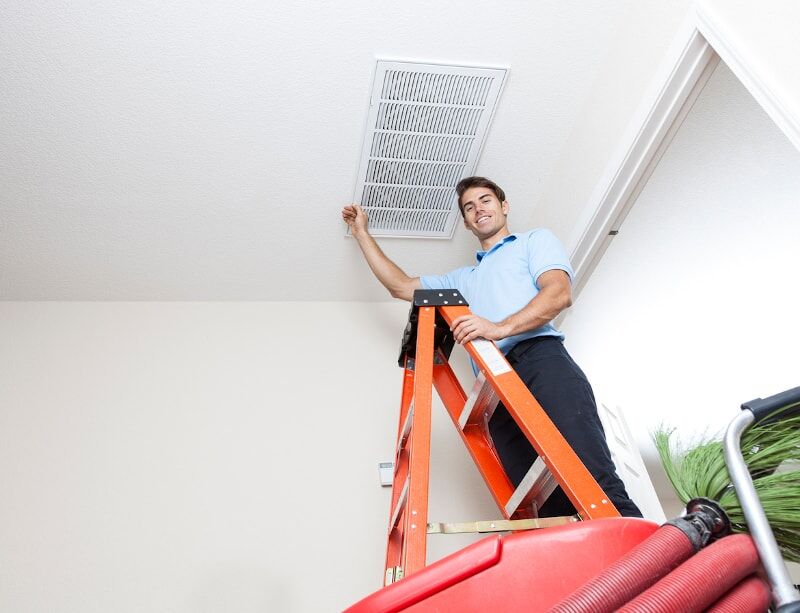
Mapping a Clear Path Through Today’s HVAC Contractor Options
Before you evaluate any team, define the scope in writing. Identify spaces, comfort goals, utility priorities, and constraints such as electrical capacity or roof access. This baseline helps you compare proposals on equal footing and ensures the contractor’s load calculations and equipment selections align with your needs rather than a one-size-fits-all approach. A well-scoped brief reduces change orders and shortens decision cycles once bids start coming in.
Next, assess lifecycle implications beyond sticker price. Total cost of ownership includes efficiency ratings, expected service intervals, filter costs, and controls integration. Ask how design choices affect accessibility for routine maintenance and cleaning. A system that saves minutes per service visit may return value for years. Meanwhile, ensure replacements and consumables are commonly available to avoid delays and premium lead times.
Then, examine workflow and staging. Clarify how the contractor sequences demolition, rough-in, set, start-up, and verification. For occupied buildings, phasing plans that buffer noise and dust matter. Establish hours, access routes, and protection for finishes. When Electrical Services interface with HVAC controls, verify who owns low-voltage, breakers, labeling, and panel documentation so trades don’t conflict or leave gray areas at handoff.
However, quality hinges on commissioning discipline. Ask about procedures for refrigerant charge validation, static pressure profiling, sensor calibration, and airflow balancing. Request sample reports to see how results are documented. Proper commissioning catches mismatched airflow, duct leakage, and control logic errors before they become comfort complaints. A contractor who measures and records can also benchmark performance for seasonal tune-ups.
Beyond that, consider indoor air priorities early. If Indoor Air Quality upgrades are on the table, align filtration, ventilation rates, and humidity control with the envelope and usage patterns. High-MERV filters affect fan energy and duct sizing, so upstream planning avoids noise and pressure issues. Discuss UV, bipolar ionization, or ERV strategies cautiously and insist on data-backed recommendations suited to your occupancy profiles.
In practice, residential and commercial timelines differ. Homes often value speed and minimal disruption, while businesses prize uptime and predictable staging. For light commercial spaces, refrigerant management, rooftop access, and curb adapters can lengthen lead times. Clarify crane lifts, permits, and inspections early. For homes, insulation upgrades or duct sealing may be low-lift improvements that amplify comfort and reduce equipment tonnage.
Often, budgeting benefits from alternates. Ask for a base bid and one or two value options—such as variable-speed air handlers versus standard, or smart thermostats with zoning. Transparent alternates help you weigh incremental comfort against cost. For AC Repair & Installation decisions, compare repair viability windows against equipment age, warranty status, and efficiency deltas to avoid sunk-cost spirals on failing units.
Then, verify service posture. Response windows, stocked parts, and escalation paths matter during heat waves and cold snaps. Confirm how Heating Repair & Installation teams prioritize no-heat calls, and whether preventative maintenance visits include coil cleaning, drain treatment, and electrical torque checks. A clear service plan with documented tasks reduces ambiguity and aligns expectations during peak seasons.
Meanwhile, documentation is your long-term asset. Require model numbers, serials, wiring diagrams, refrigerant quantities, test readings, and filter sizes at closeout. Keep copies of permits and inspection sign-offs. When ownership changes or tenants rotate, organized records accelerate troubleshooting and preserve warranty protections. Good records also guide seasonal maintenance so technicians can maintain, refine, and validate performance efficiently.
Finally, plan for upgrades over time. Controls platforms evolve, rebates fluctuate, and code requirements shift. Build a roadmap that phases improvements—duct remediation first, right-sized equipment next, and smart controls last—so each step compounds value. With a structured approach to HVAC, you’ll align comfort, efficiency, and serviceability, making future choices simpler and keeping your spaces reliable across seasons.