
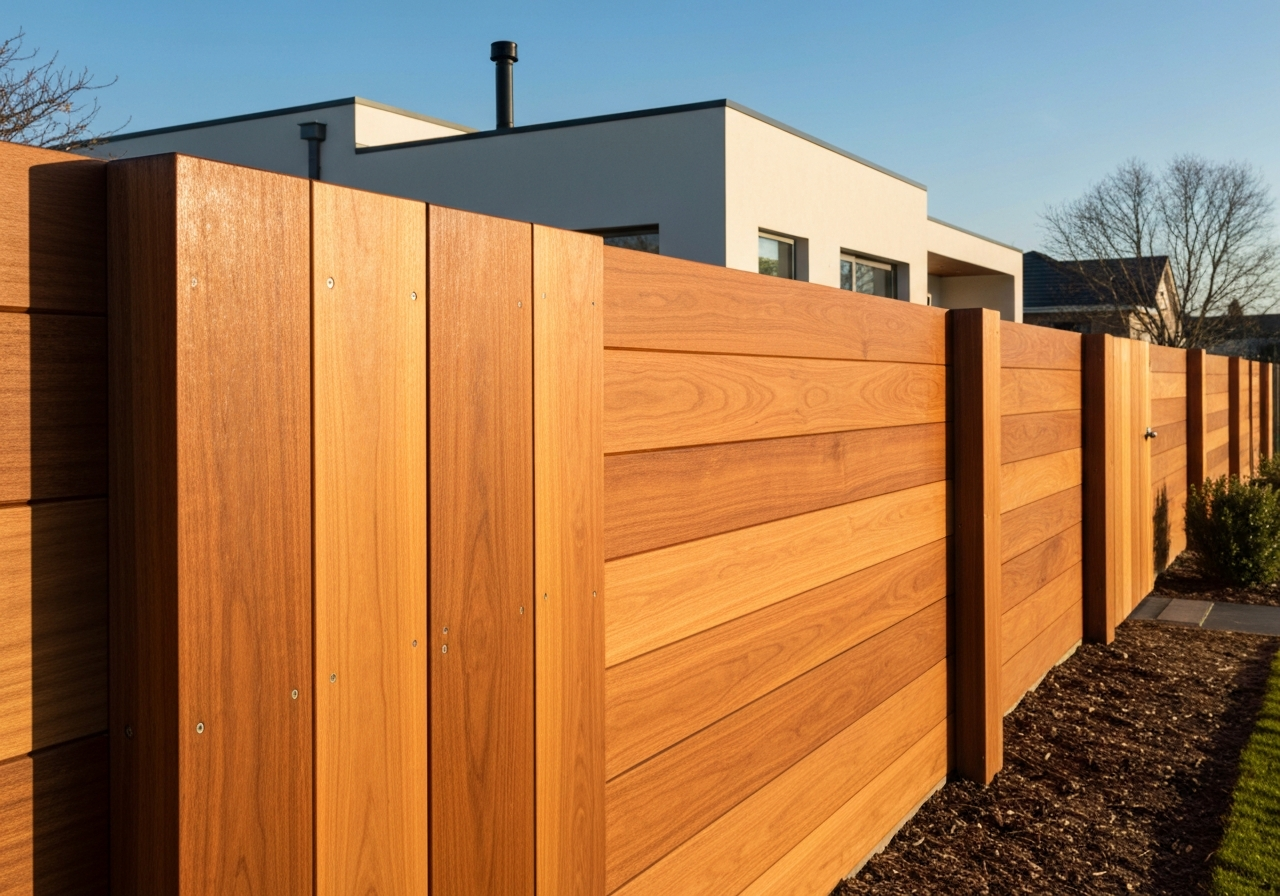
Fencing Builders' Suggestions on Integrating Planters and Trellises
The most intelligent fencings don't simply note a border, they anchor living architecture. When a fence supports planters and trellises, you obtain privacy with appearance, shade that softens afternoons, and upright gardens that squeeze even more plant out of a limited great deal. The trick is appreciating tons, moisture, and maintenance from the initial illustration. I have enjoyed hurried add‑ons pull fasteners out of rails and sink blog post bases in soggy soil. I have also seen a straightforward cedar infill fencing changed by a six‑inch planter cap and a fragile espalier that transformed a slim side yard into a courtyard. This job pays off when you construct it like a tiny piece of outside furniture that simply occurs to be a fence.
Start with framework, not plants
Every great system begins with posts sized for what they will lug. An easy personal privacy fencing may endure 4x4 blog posts at 8‑foot spacing in moderate climates. Add a 14‑inch‑deep planter box with wet soil and a wind‑catching trellis, and that specification can fail on day one. Wet potting mix considers 60 to 75 pounds per cubic foot. A 10‑foot run with two boxes 12 inches deep, 12 inches wide, and 8 feet long can include 480 to 720 pounds before the first gust hits a climbing climbed. That tons does not care that the fencing looked rather in a rendering.
I advise customers to treat any kind of incorporated fencing with planters and trellises as a light pergola. That implies 6x6 messages at 6 to 8‑foot spacing, concrete footings to frost deepness, and interest to wind direct exposure. If you get on a ridge or bayside, area blog posts more detailed and make use of much deeper grounds. When Fence Contractors reduced edges here, repaint peels and boards split as the setting up spins under seasonal loads.
Rails and infill issue too. An open straight rail style offers you adaptability to screw planter braces and trellis stands without squashing pickets. If you desire a solid personal privacy look, prepare an architectural journal on the yard side so planters load the rails and posts, not simply face‑screwed boards.
Choosing planter types that belong on fences
Three usual methods work well when a Fence Installer commits to the right outlining:
-
Integrated cap planters: The fence leading becomes a 6 to 10 inch wide trough with a sloped, waterproofed liner and weep openings. Helpful for natural herbs and annuals, not deep‑rooted bushes. They look smooth and transform an ordinary top rail into environment-friendly trim.
-
Bracketed boxes: Discrete planter boxes hold on a continual ledger or steel angle bolted to posts. These remove easily for winter months, repainting, or replacement. They are the most flexible for watering gain access to and weight management.
-
Ground coupled planters: Huge freestanding planters rest simply inside the fencing line with trellises connected to articles over. This rips off the lots onto the ground and allows roots stretch, while the fencing lugs just the screen. I advise this when clients want edible creeping plants or heavier woody climbers.
With each, the box product must match the fence's life span or surpass it. Cedar and redwood succeed if lined. Powder‑coated aluminum or stainless performs ideal in wet environments. Compound planters paired with timber fencings can work, however bear in mind color shift and expansion.
Trellis fundamentals the pros respect
A trellis is not just a latticework panel. It is a sail. Also a moderate 4x6 foot grid can create severe uplift and racking when a storm hits. When a Fencing Builder talks about trellises, we speak about:
-
Attachment points to messages, not rails alone. Rails act like beams, but posts take the lateral push into concrete.
-
Adjustable stand‑offs that develop a 1 to 2 inch air space behind the trellis. Vines completely dry much faster, and the fence surface lasts longer.
-
Materials that match the climate and plant. For moist, shaded spots with jasmine or ivy, I push stainless-steel cable television grids. For warm fencings with light yearly vines, a cedar structure with half‑lap joints and silicon bronze screws lasts a decade or even more with regular oiling.
-
Modular spans with fast launches so you can lift a panel down for paint or repairs. Fence Installers like systems they can service without taking apart half the run.
Height and width play right into code. Many towns manage strong fence elevation at 6 to 7 feet, yet trellis sections above can be allowed if they are at the very least half open. A great Fence Contractor clears this with the city before the blog posts struck concrete. It prevents the awkward telephone call from an examiner when a neighbor lodges a complaint.
Wood, metal, composite: what to make use of where
In my notebooks, I keep a simple guideline: place the most difficult materials where water remains, and the most beautiful where hands and eyes linger.
-
Posts: Ground‑contact rated 6x6 treated yearn, black powder‑coated steel, or architectural light weight aluminum blog posts are my go‑to. Cedar articles look excellent however demand outstanding details at grade, particularly in snow nation. For salt air, steel requires a high‑build finish or a stainless sleeve at grade.
-
Rails and frames: Tight‑knot cedar or redwood, or repainted steel tube if you want a slim modern-day look with long periods. If you despise maintenance, a concealed steel framework with wood cladding provides the most effective of both worlds.
-
Planter bodies: Aluminum or stainless for durability, cedar for warmth. If you demand PT lumber for planters, isolate dirt with a continual liner so chemicals do not contact edibles.
-
Trellis grids: Western red cedar slats, stainless cord, or black steel rods. Avoid bare galvanized in high‑visibility applications unless you like varicolored gray.
Fasteners are not the area to conserve a dollar. Stainless screws in damp locations, silicon bronze for cedar, and top quality structural screws where you rely on them for load paths. A fence is a system of little components. Weak screws trigger huge failures.
Waterproofing and drainage details that save the assembly
Water constantly checks your job. Planter boxes require a continuous lining with joints turned up and taped, a slope to weeps, and a splitting up from timber. I like 60 mil EPDM or PVC for linings. Peel‑and‑stick membrane layers rated for planters additionally work and are easier to information on curves.
Do not allow weep holes discard onto timber. Bring them to daylight with drip sides or downspouts that clear the fencing. Inside package, use a 1 to 2 inch layer of washed crushed rock or light-weight drainage board, topped with a nonwoven fabric, then soil. Avoid packing dirt thick against the lining sides. That pressure is what protrudes faces and stands out seams over time.
Where trellis stand‑offs pierce a lining, add gaskets and backer plates. I have repaired a lot of boxes developed with deck screws poked via rubber like they were attaching trim. If you can not create a gasketed pass‑through, route stand‑offs outside the lining and tie back to structure listed below the box.
At blog post bases, keep dirt away. Establish planters back so the lowest timber can breathe, or flash blog post confronts with steel boots that dropped water. It looks like excessive at set up and appears like wisdom in year five.
The plant palette adheres to the structure
Fence contractors who appreciate results companion with landscapers or a minimum of respect cultivation basics. The plant does not care that your trellis grid is perfect if the sunlight melts it or the wind shreds it. Suit the climb style to the trellis:
-
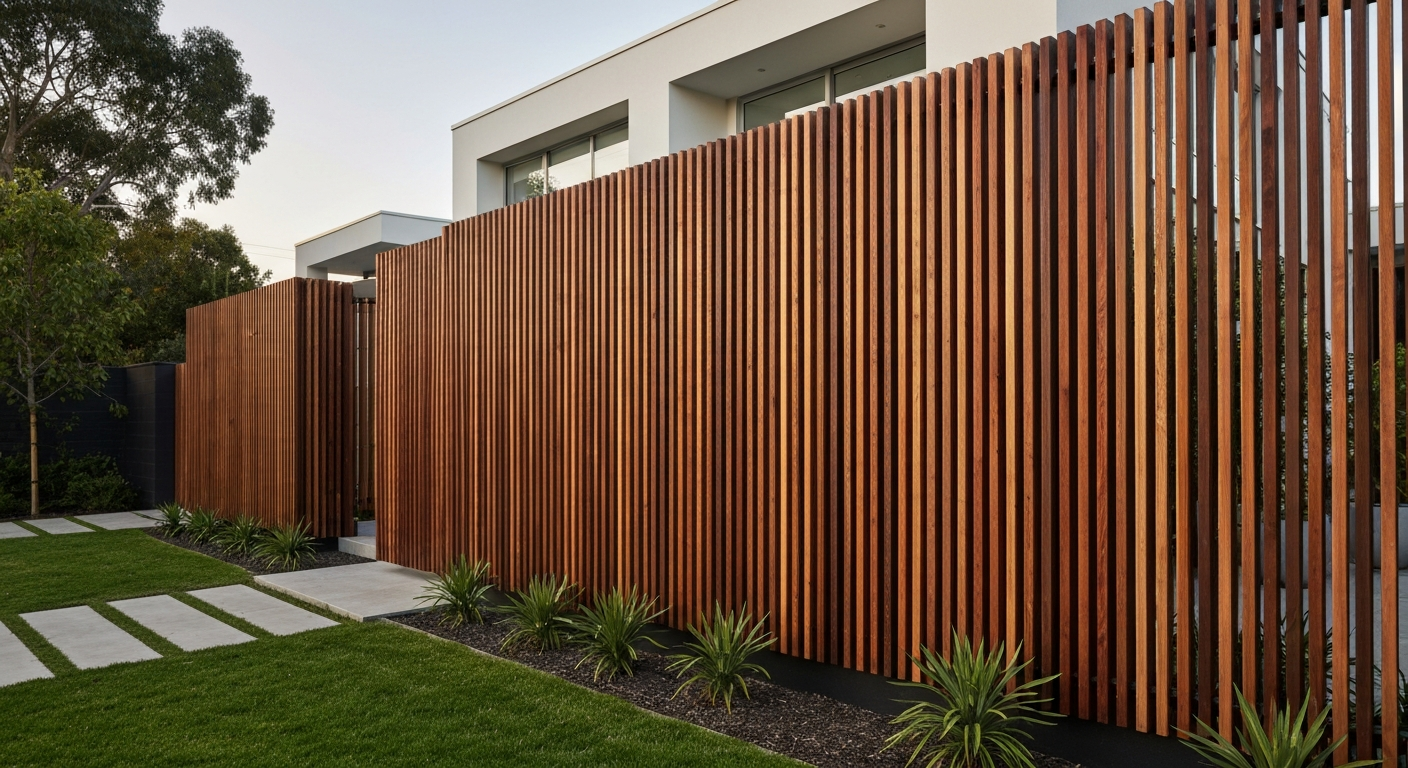
Twining stems like mandevilla or hyacinth bean love slim rods or wire they can cover around.
-
Tendril climbers like sweet peas grip little cables and netting, not wide slats.
-
Adhesive climbers like Boston ivy will neglect your grid and adhesive themselves to surfaces. If you value your fence, prevent them or provide a sacrificial panel.
-
Roses and wisteria are hefty. They want stout frameworks and regular linking. Build for the mature weight, not the baby room pot.
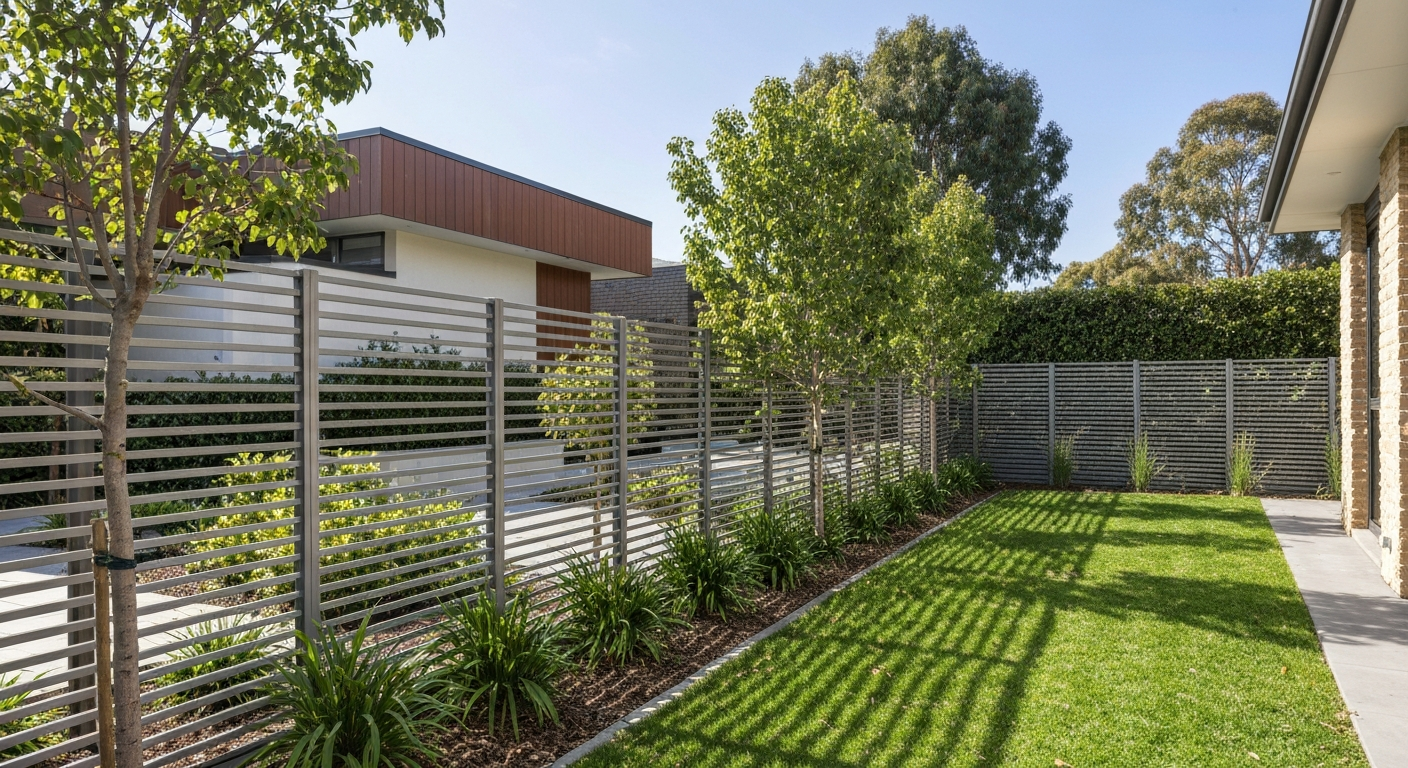
Shallow planters fit natural herbs, lettuces, and annual flowers. For perennials and tiny bushes, boost deepness to 14 to 18 inches or go ground‑coupled. If a client dreams of blueberries in a fencing trough, I steer them to freestanding planters that share the fence line with a trellis floating above. Origins and wood have different agendas.
Irrigation ought to be boring and dependable. A simple 1/2 inch poly header with 1/4 inch drip lines, pressure regulated to 25 psi, and a flush cap at the low point keeps planters satisfied without saturating the fence. Fertigation injectors are optional. Hand waterers frequently sink boxes. Drip lines spread out the dampness and protect against the traditional soaked corner.
Privacy, wind, and neighborly peace
Every job lives in a context. Fencing Contractors have to balance what a client desires with what the site and code enable. A limited trellis display with evergreen vines gives personal privacy that breathes. In a warm valley lawn, a slim espaliered fruit wall on wire, established 3 inches off the fence, cools down the outdoor patio without capturing warm. In windy areas, open grids minimize tons. In limited great deals, shiny dense creeping plants can color a neighbor's garden. Plant attentively, and you stay clear of unsightly conversations.
If you go for height, check setbacks and the definition of a fence versus a landscape display. In many locations, a trellis that is 50 percent open can legitimately climb over a fence elevation limit. Some inspectors count the grown mass also. A seasoned Fence Contractor will certainly illustration the latticework openness, cite code notes, and paper next-door neighbor authorizations when needed.
Retrofitting an existing fence
Most customers call Fence Installers with a fence already in place. Integrating planters and trellises after the reality can function, however you must test the structure. Get a leading rail and press. If the articles wobble, do not include weight. Reinforce first with sister messages, brand-new grounds, or a steel structure behind the fencing line.
For retrofits, bracketed boxes radiate. Bolt a journal or angle iron to articles with structural screws or through‑bolts, lag guards where necessary. Hang boxes so they can be raised out. Maintain fasteners out of the damp area by setting equipment simply above the soil line within package. For trellises, use stand‑offs that spread lots to articles, not rails. When the existing fence is borderline, free‑standing planters with incorporated trellis frames end up being the hero. You get greenery without betting on old wood.
Expect much longer labor on retrofits. Covert cables, old rot, and uneven articles reduce the job. Spending plan an additional 10 to 20 percent contrasted to brand-new builds.
Planning the design like a little landscape
A fencing line becomes a series when you add living items. I illustration in runs of various character: a kitchen area natural herb trough near the back entrance, a tall personal privacy panel with jasmine by the medspa, a light open trellis framing a seating sight. The rhythm matters. Repeating planter dimensions and trellis patterns every 8 feet prevents chaos. Differ plant structures, not the underlying woodworking, and the scene really feels made instead of patched together.
Mind service accessibility. Leave a swing space to remove a trellis panel without bushwhacking. Maintain hose bibs and electrical outlets clear. If you intend low‑voltage illumination, run channel before you close boxes. A little LED strip under a planter lip makes a patio area sing during the night and costs little if prepared, a whole lot if added later.
Surface ends up that last
Film finishes like solid‑color discolorations look crisp, however they reveal endure planter lips and trellis sides. Passing through oils allow wood take a breath and are simpler to refresh. If you like paint, prime all faces, consisting of end grain, and back‑prime before assembly. Powder‑coated metals are worth the upcharge near water functions or shorelines. Galvanized components under black powder layer withstand chips much better than raw steel.
I reward every cut and bore hole with chemical. It reduces degeneration where fasteners pierce and where boxes satisfy rails. That little step divides pro job from weekend work.
Costs and organizing realities
Clients typically ask for ranges. Markets vary, however incorporated fences set you back more per foot than ordinary privacy. A straightforward cedar fence could run 40 to 70 dollars per direct foot in some areas. Add planter boxes and trellises, and you climb to 90 to 180 bucks per foot, often more with metalwork and watering. Stainless cord grids push costs however pay back in durability. Customized light weight aluminum planters include both expense and precision.
Schedule with the periods. Integrate in late winter season or very early spring so planters await the initial planting window. Avoid late‑summer installs in hot climates where linings and adhesives obtain finicky and brand-new growings cook. If the site is wet, shield grounds and maintain dirt accumulations covered. Mud is the adversary of tight carpentry.
Coordination between trades
Good Fencing Builders understand when to contact a landscape pro. Dirt blends, plant option, and irrigation tuning gain from gardening proficiency. Similarly, a landscape developer should defer to a Fence Installer on message design and structural joinery. The very best outcomes take place when the group shares an illustration and negotiate a series: blog posts and rails initially, liners and hardware second, irrigation rough‑in, planters set, trellises hung, then planting.
If you are the home owner guiding the task, maintain one point of accountability. A solitary Fencing Contractor who is comfortable as the prime, generating a plumber for watering and a welder for trellis structures, is much better than three musicians playing their own tune.
A straightforward step‑by‑step that works
-
Walk the fence line with flags and tape. Mark article facilities, planter areas, and trellis periods. Keep in mind sunlight, wind, and tube bib locations.
-
Set posts in concrete to proper depth, check plumb, and construct rails with backing where planters or trellises will attach.
-
Fabricate planters with liners, slope, and weeps. Dry fit on ledgers or angles. Pre‑drill for stand‑offs and through‑bolts, after that get rid of for finishing.
-
Install irrigation rough‑in before planters are ultimately established. Stress test. Add drip lines and flush caps after dirt is in.
-
Hang trellis panels on stand‑offs, link into blog posts, and change for a consistent air void. Plant, mulch lightly, and established an upkeep schedule.
Mistakes that lose money
-
Fastening planters to pickets rather than structure. The weight tears them off in a season.
-
Skipping linings or weep openings. Boxes become bathtubs, then garden compost containers, after that failures.
-
Oversizing trellises on 4x4 blog posts in windy areas. Racking splits rails and wrenches messages at the base.
-
Planting hostile mountain climbers that will grow out of the structure in two periods. You wind up with a pruning war or a rebuild.
-
Forgetting maintenance access. If you can not lift a panel or reach the rear of a box, you will not service it, and it will certainly not last.
What a seasoned staff notices on day one
An experienced Fence builder reads a yard the means a mason reviews stone. We look for where water runs during a storm and where snow thaws last. We see wind swirls around corners and feel the heat off south‑facing wall surfaces. That educates where a vine flourishes and where a box decomposes. We ask what you such as to cook and what you intend to scent on a summer season evening. Basil wants sunlight at hip height by the cooking area door. Celebrity jasmine desires early morning light and a trellis it can lace without snapping in wintertime winds.
We also ask about pets, youngsters, and next-door neighbors. A bracketed box that a Labrador can carry off a journal is a claim, not a planter. A trellis with stainless sides near a play area needs spherical caps. These information live outside the beautiful state of mind board, yet they specify success.
Durability strategies, not hopeful thinking
Set an upkeep calendar. Wipe and oil timber yearly if you like the all-natural look. Retouch powder coat chips. Flush drip lines each season, check filters and pressure regulators, and replace emitters that obstruct. Top up dirt and add slow‑release plant food in spring. If a creeping plant pulls a tie loosened, fix it prior to wind season. This is not burdensome. A wisely built system requests for a few hours one or two times a year, and it repays every patio meal.
I consist of a short care sheet with every integrated fence. It maps shut‑off valves, shows where stand‑offs release, and listings complete specifications. A Fence Installer that assumes past the final check gets rid of the means for a fence that boosts for a decade.
When to upsize or rethink
If a client desires dense evergreen privacy with very little upkeep, I press toward ground‑coupled planters or an independent steel display by itself grounds simply inside the line, with the wood fence as an aesthetic backdrop. If they desire edibles with normal change‑outs, I maintain planter boxes shallow and modular, with very easy lift‑off. If they want a showpiece vine like wisteria, I make the trellis like a tiny pergola, with its own blog posts and footings. It is still part of the fence ensemble, yet it survives its own structure so it does not tear the rest down.
Sometimes the appropriate guidance is to plant in the ground and use the fencing only as a training surface with stand‑off cords. Lighter, less costly, and simpler to preserve. A great Fencing Contractor will not oversell lumber when a few stainless eyelets and cord resolve the need.
A brief story from a narrow lot
We constructed a 42‑foot run along a narrow city side yard, just 50 inches between residence and residential property line. The brief: screening from kitchen home windows across the street, natural herb accessibility from the side door, and zero shed pathway. We established 6x6 steel blog posts at 6 feet on center, dropped cedar rails, and hid a continuous steel journal 34 inches off grade. We hung 8‑foot cedar planter boxes at 8 inches deep, liner sloped to weeps that spew onto crushed rock strips. A 5‑foot‑tall stainless cable trellis floated 1.5 inches off the fencing face, tied to blog posts with 3/8 inch stand‑offs. Trickle irrigation ran inside the ledger tooth cavity with quick‑connects at each box.
We planted thyme, parsley, and strawberries in packages, then educated wonderful autumn clematis on the cords. The sidewalk remained at complete size. The next-door neighbor maintained sunlight due to the fact that the trellis was open. A year later on, the owner told me the boxes scented like summer when he cleaned past them with groceries. That is the action that matters.
Final thoughts from the task site
Integrating planters and trellises right into fencings is craft, not decor. It rewards perseverance in design, kindness in framework, and humility prior to water. When you work with, seek Fencing Contractors that talk about lots and linings prior to they speak about flower colors. Ask a Fence Installer to reveal you stand‑off hardware and weep details, not simply stain chips. If you are that specialist, educate your crew to assume like woodworkers and gardeners simultaneously. The fencing will certainly hold longer, the plants will certainly prosper, and the line between boundary and yard will certainly obscure in the best possible way.