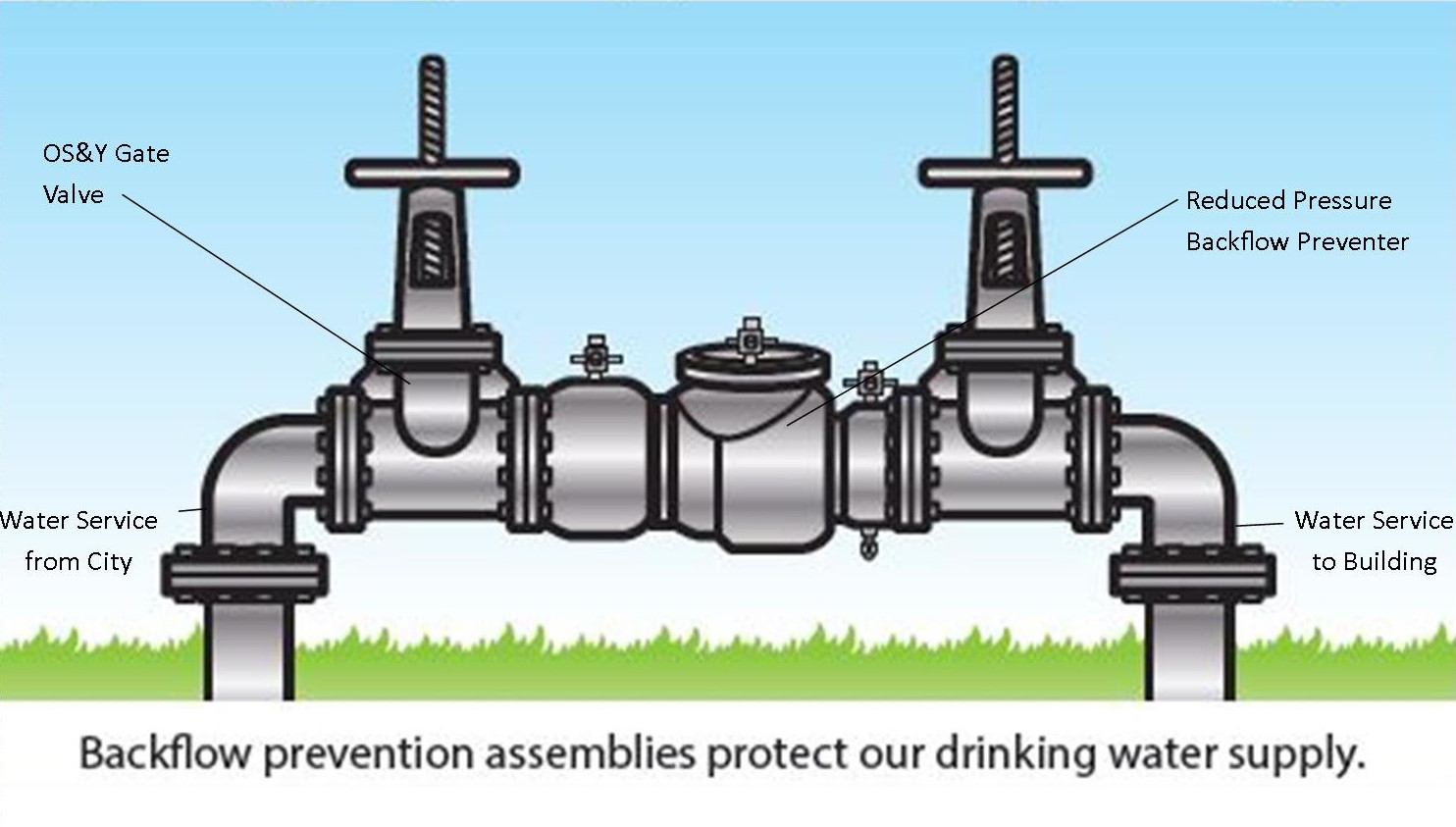
Understanding Backflow
Backflow is the undesirable reversal of the flow of water or other substances into the potable (drinkable) water supply. This can happen due to two primary causes: backpressure and backsiphonage.
Backpressure
Backpressure occurs when the pressure in a non-potable system, such as a boiler or fire sprinkler system, is higher than the pressure in the potable water system. This pressure difference can force contaminated water back into the potable water supply.
Backsiphonage
Backsiphonage happens when there is a sudden drop in pressure in the potable water system, such as when a water main breaks or a fire hydrant is opened. This negative pressure can create a vacuum that pulls contaminated water from a non-potable system back into the potable water supply.
Importance of Backflow Prevention
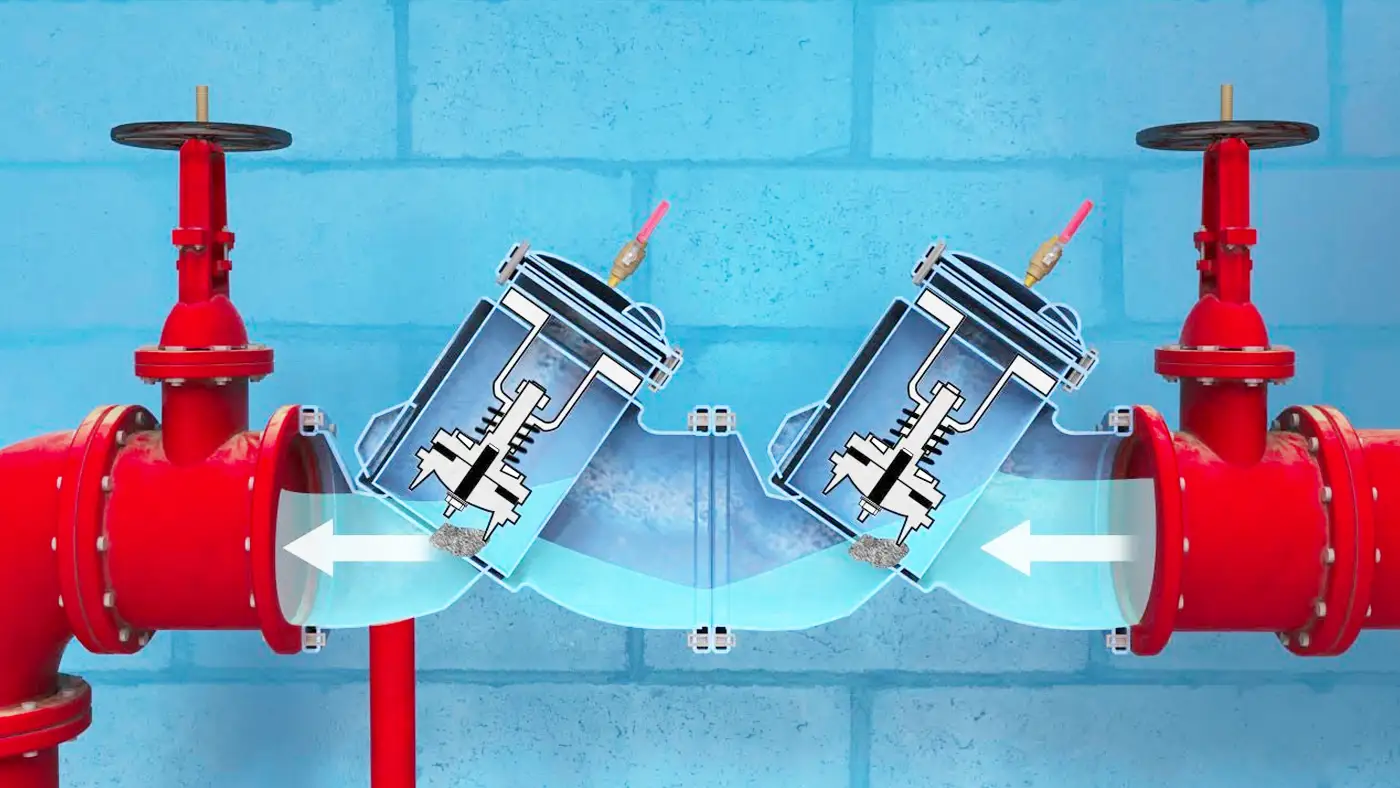
The importance of backflow prevention cannot be overstated. Contaminated water can pose significant health risks, including the spread of waterborne diseases and the introduction of harmful chemicals or bacteria into the water supply. Here are some key reasons why backflow prevention is crucial:
Types of Backflow Prevention Devices
Several types of backflow prevention devices are available, each designed to address specific scenarios and conditions. The choice of device depends on the type of hazard and the level of protection required.
Reduced Pressure Principle Backflow Preventer (RPBP)
The RPBP is a highly reliable device that consists of two independently acting check valves with a pressure-relief valve between them. It is used in high-hazard situations where the risk of contamination is severe. For professional installation and maintenance, consider contacting PlumbProCare.
Double Check Valve Assembly (DCVA)
The DCVA is a less expensive option that consists of two check valves in series. It is suitable for low-hazard situations where the risk of contamination is minimal.
Atmospheric Vacuum Breaker (AVB)
The AVB is a simple device that prevents backsiphonage by allowing air to enter the system when the pressure drops. It is commonly used in irrigation systems and other low-hazard applications.
Pressure Vacuum Breaker (PVB)
The PVB is similar to the AVB but is designed to handle higher flow rates and is suitable for larger systems. It is commonly used in commercial and industrial applications.
Installation of Backflow Prevention Devices
Proper installation of backflow prevention devices is crucial to ensure their effectiveness. Here are some key considerations:
Common Installation Errors
Maintenance and Testing of Backflow Prevention Devices
Regular maintenance and testing are essential to ensure that backflow prevention devices continue to function effectively. Here are some key steps to follow:
Common Maintenance Tasks
Consequences of Neglecting Backflow Prevention
Neglecting backflow prevention can have severe consequences, both for public health and for property. Here are some of the potential risks:
Case Studies
Regulations and Standards
Various regulations and standards govern backflow prevention to ensure the safety and reliability of water systems. Here are some key standards and guidelines:
Compliance Tips
FAQs
What is backflow?
Backflow is the undesirable reversal of the flow of water or other substances into the potable (drinkable) water supply. It can occur due to changes in pressure, such as backpressure or backsiphonage.
How often should backflow prevention devices be tested?
Most jurisdictions require annual testing of backflow prevention devices to ensure they are functioning correctly. Regular testing helps identify and address any issues before they become a problem.
What are the common types of backflow prevention devices?
Common types of backflow prevention devices include Reduced Pressure Principle Backflow Preventers (RPBP), Double Check Valve Assemblies (DCVA), Atmospheric Vacuum Breakers (AVB), and Pressure Vacuum Breakers (PVB). Each type is designed to address specific scenarios and levels of hazard.
What are the consequences of neglecting backflow prevention?
Neglecting backflow prevention can lead to severe health risks, property damage, and legal liabilities. Contaminated water can cause illnesses, damage plumbing systems, and result in fines or legal action.
How can I ensure compliance with backflow prevention regulations?
To ensure compliance, stay informed about local and national regulations, maintain detailed records of installation, maintenance, and testing, and provide training for staff and contractors. Regularly review and update your procedures to stay current with best practices.
What should I do if I suspect a backflow incident?
If you suspect a backflow incident, immediately contact a licensed plumber or certified backflow tester. They can assess the situation, perform necessary tests, and take corrective action to prevent further contamination.
92 Alun Road, Birmingham, B10 9ps
(0121) 555-9876
contact@ PlumbProCare.com