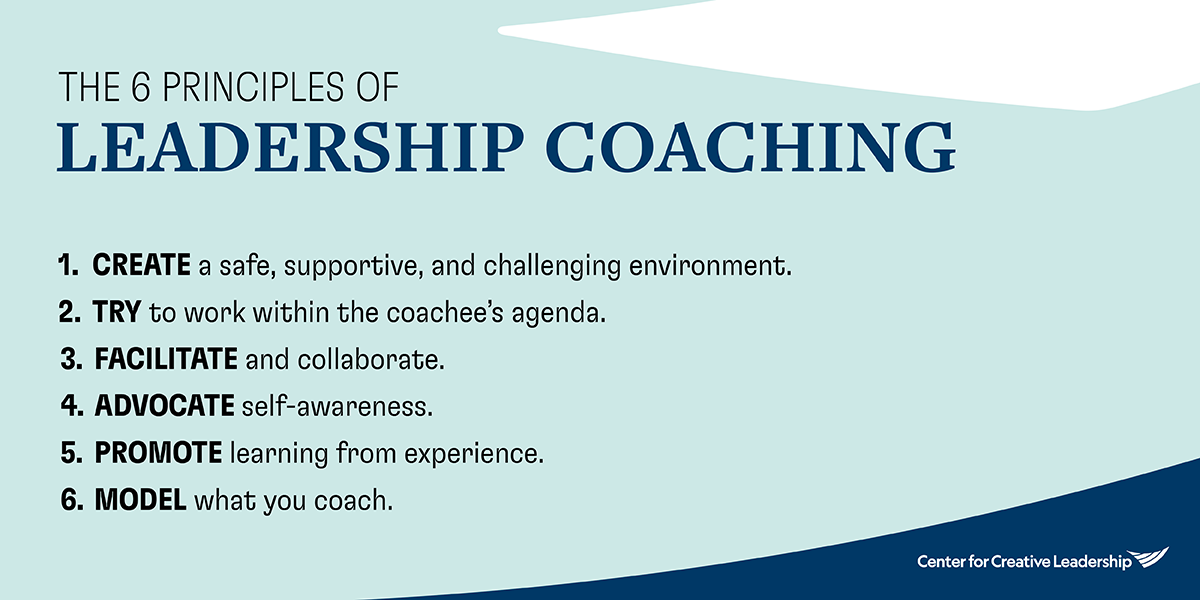
What is Group Coaching?
Group coaching is a type of coaching that involves working with a small group of individuals, typically between 6-12 people, who share similar goals or interests. The group is led by a trained coach who facilitates discussions, provides guidance, and offers support as needed. Group coaching can be conducted in-person or online, and sessions may be held weekly, biweekly, or monthly, depending on the program. The focus of group coaching can vary widely, from personal development and wellness to career advancement and business growth. Regardless of the specific focus, the underlying principle of group coaching is to create a safe, supportive environment where participants can share their experiences, learn from others, and work together to achieve their goals.
Benefits of Group Coaching
The benefits of group coaching are numerous and well-documented. For one, it provides a sense of community and connection, which can be especially valuable for individuals who feel isolated or disconnected from others. Group coaching also offers a unique opportunity for networking and building relationships, as participants can learn from and support one another in a collaborative and dynamic environment. Additionally, group coaching can be a cost-effective alternative to one-on-one coaching, making it more accessible to a wider range of people. Perhaps most importantly, group coaching provides a powerful catalyst for growth and change, as participants are able to learn from others, share their experiences, and gain new insights and perspectives.Learn valuable online coaching strategies at https://mycoachingplaybook.com/best-practices/online-coaching-tools-and-tips
How Group Coaching Works
Group coaching typically involves a combination of structured activities, discussions, and exercises, all designed to help participants achieve their goals. The coach may use a variety of tools and techniques, such as meditation, visualization, or journaling, to facilitate the process and encourage deeper reflection and exploration. Participants may also be encouraged to share their experiences, ask questions, and offer support and guidance to one another. The coach's role is to facilitate the process, provide guidance and support as needed, and ensure that the group remains focused and on track.
Types of Group Coaching
There are many different types of group coaching, each with its own unique focus and approach. Some common examples include personal development coaching, career coaching, business coaching, and wellness coaching. Personal development coaching focuses on helping individuals achieve their personal goals, such as improving their relationships, building their confidence, or finding more balance and fulfillment in their lives. Career coaching, on the other hand, is designed to help individuals advance their careers, whether that's by finding a new job, starting a business, or advancing to a leadership role. Business coaching focuses on helping entrepreneurs and small business owners build and grow their businesses, while wellness coaching emphasizes the importance of self-care and stress management.
Choosing a Group Coaching Program
With so many different group coaching programs available, it can be challenging to choose the right one. There are several factors to consider, including the program's focus and approach, the coach's experience and qualifications, and the level of support and guidance provided. It's also important to consider the size and dynamics of the group, as well as the overall cost and value of the program. Ultimately, the best group coaching program is one that aligns with your goals and values, and provides a safe, supportive environment for growth and transformation.
Overcoming Challenges in Group Coaching
While group coaching can be a powerful tool for personal and professional development, it's not without its challenges. One common obstacle is the fear of sharing personal struggles or vulnerabilities with others, which can make it difficult for participants to open up and be honest. Another challenge is the risk of conflict or disagreements within the group, which can create tension and undermine the coaching process. To overcome these challenges, it's essential to establish clear boundaries and guidelines, and to create a safe and supportive environment where participants feel comfortable sharing their thoughts and feelings.
Building Trust and Rapport
Building trust and rapport is critical in group coaching, as it creates a sense of safety and security that allows participants to open up and be honest. The coach can help build trust by establishing clear boundaries and guidelines, being transparent and authentic, and creating a supportive and non-judgmental environment. Participants can also help build trust by being respectful and empathetic towards one another, and by sharing their experiences and vulnerabilities in a honest and authentic way.
Measuring Success in Group Coaching
Measuring success in group coaching can be challenging, as it's often difficult to quantify the outcomes and results. However, there are several ways to evaluate the effectiveness of a group coaching program, including participant feedback, surveys, and assessments. The coach may also use specific metrics or benchmarks to measure progress and success, such as the number of goals achieved, the level of participant engagement, or the overall sense of satisfaction and fulfillment. Ultimately, the success of a group coaching program depends on the participant's ability to achieve their goals, and to experience a sense of growth, transformation, and fulfillment.
Conclusion
Group coaching is a powerful tool for personal and professional development, offering a unique blend of support, guidance, and community. By providing a safe and supportive environment, group coaching can help individuals achieve their goals, build meaningful relationships, and experience a sense of growth and transformation. Whether you're looking to improve your relationships, advance your career, or simply find more balance and fulfillment in your life, group coaching can be a valuable and effective way to get there.
FAQs
What is the typical size of a group coaching program?
The typical size of a group coaching program can vary, but it's usually between 6-12 people. This allows for meaningful interactions and connections among participants, while also providing a diverse range of perspectives and experiences.
How long does a group coaching program typically last?
The length of a group coaching program can vary, but it's usually several weeks or months. Some programs may be shorter or longer, depending on the focus and goals of the program.
What are the benefits of group coaching compared to one-on-one coaching?
Group coaching offers several benefits compared to one-on-one coaching, including a sense of community and connection, networking opportunities, and a cost-effective alternative to one-on-one coaching.
Can group coaching be done online?
Yes, group coaching can be done online, using video conferencing tools or other digital platforms. This can be a convenient and accessible way to participate in group coaching, especially for those who live in remote areas or have busy schedules.
How do I choose the right group coaching program for me?
To choose the right group coaching program, consider the program's focus and approach, the coach's experience and qualifications, and the level of support and guidance provided. It's also important to consider the size and dynamics of the group, as well as the overall cost and value of the program.