7 Agile Project Methods Every Beginner Should Know
7 Agile Project Methods Every Beginner Should Know
Agile project methods have become increasingly popular in the world of project management, with many organisations adopting these approaches to improve efficiency and deliver better results. For beginners looking to get started with Agile project methods, it can be overwhelming to navigate the various methodologies and techniques that are available. In this essay, we will explore seven Agile project methods that every beginner should know about.
Teams improve collaboration when agile project methods guide planning and daily execution.
Scrum: Scrum is perhaps the most well-known Agile project method, characterised by its iterative and incremental approach to project management. In Scrum, projects are divided into short cycles called sprints, where teams work collaboratively to deliver a potentially shippable product increment at the end of each sprint.
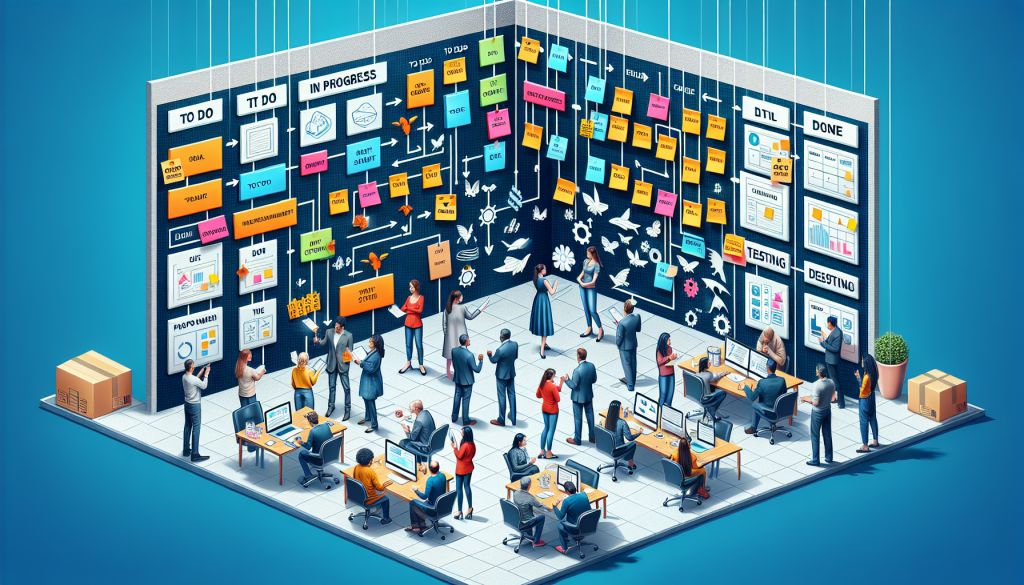
Kanban: Kanban is a visual project management method that focuses on visualising work, limiting work in progress, and maximising flow. Teams use Kanban boards to visualise their work and track progress, making it easier to identify bottlenecks and optimise workflows.
Lean: Lean is a project management method that focuses on maximising customer value while minimising waste. Lean principles encourage teams to continuously improve processes, eliminate non-value-adding activities, and deliver high-quality products and services.
Extreme Programming (XP): Extreme Programming is an Agile software development method that emphasises collaboration, feedback, and simplicity. XP practices include pair programming, test-driven development, continuous integration, and frequent releases.
Crystal: Crystal is a family of Agile methodologies that are tailored to suit the specific needs and constraints of each project. Crystal methods prioritise communication, teamwork, and simplicity, and can be adapted to different project sizes and environments.
Dynamic Systems Development Method (DSDM): DSDM is an Agile project delivery framework that focuses on delivering projects on time and within budget. DSDM emphasises active user involvement, frequent delivery of incremental releases, and prioritising the most important features.
Feature-Driven Development (FDD): Feature-Driven Development is an Agile software development method that focuses on delivering features incrementally. FDD breaks down projects into manageable chunks, with each feature being designed, developed, and tested before moving on to the next.
In conclusion, Agile project methods offer a flexible and adaptive approach to project management, enabling teams to deliver high-quality products and services efficiently. By familiarising themselves with these seven Agile project methods, beginners can gain a solid foundation in Agile project management and set themselves up for success in their project management careers.