Building Underground Garages in Buckhead to Solve Lot Coverage Issues

Homeowners in the luxury estates of 30327 and 30305 face a recurring obstacle when attempting to expand their properties. Atlanta's strict zoning ordinances frequently limit the amount of non-porous surface allowed on a single lot. This regulation creates a significant barrier for those wishing to add multiple vehicle bays or expansive workshop spaces. When a property reaches its maximum impervious surface limits, traditional garage builders in Atlanta often cannot offer a solution that complies with city codes. Building downward through subterranean construction has emerged as the most effective method to increase square footage while remaining within the legal boundaries of lot coverage restrictions. This specialized approach to structural engineering allows for the creation of massive car galleries that exist entirely beneath the natural grade of the landscape.

Heide Contracting specializes in these build-down scenarios, providing the technical depth required to handle the volatile nature of Georgia red clay. The soil in neighborhoods like Buckhead and Chastain Park is notorious for its density and high water retention. This creates immense hydrostatic pressure against foundation walls, especially during the heavy rainfall common in the Southern Tier. Managing this pressure requires a design-build contractor with specific experience in below-grade excavation and reinforced concrete engineering. By integrating subterranean structures into the city's historic and luxury landscapes, property owners can preserve their aesthetic curb appeal while gaining the luxury automotive storage they require. The process involves more than just digging; it is a high-stakes engineering feat that demands precision from the first soil test to the final inspection by the City of Atlanta Office of Buildings.

Navigating Impervious Surface Ratios and Zoning Variance Requirements

The City of Atlanta utilizes lot coverage restrictions to manage stormwater runoff and protect the local ecosystem. For a homeowner in Tuxedo Park or Brookwood Hills, these percentages are often reached quickly once a primary residence, pool, and driveway are established. Seeking a zoning variance is a lengthy and uncertain process that rarely yields the desired results for high-density projects. Subterranean construction offers a strategic alternative because the footprint of an underground garage typically does not count toward the surface impervious surface ratio. This legal distinction is a primary driver for the rise in underground garage builders in Atlanta who cater to high-net-worth clients.

Engineered subterranean car galleries allow for the preservation of green space, which is a priority for the Georgia Department of Community Affairs. A homeowner can install a manicured lawn or a formal garden directly on top of a reinforced concrete roof slab. This dual-use land strategy solves the square footage puzzle while maintaining the lush, wooded character of neighborhoods near the Atlanta History Center. Achieving this requires structural steel beams and high-performance shoring systems to support the immense weight of the soil and vegetation above. Heide Contracting serves as a permitting concierge throughout this process, ensuring all plans align with the latest building codes and tree protection ordinances that govern the North Metro area.

Managing Hydrostatic Pressure and Georgia Red Clay Expansion

The geological makeup of Fulton County presents a specific set of challenges for any below-grade project. Georgia red clay expands and contracts significantly based on moisture content. When saturated, it exerts a lateral force that can compromise standard masonry or poorly reinforced walls. Structural engineering for underground garages must account for these soil erosion and stability factors from the outset. Using shotcrete and reinforced retaining walls provides the necessary strength to resist these shifting loads. This is not a task for a general residential contractor; it requires a firm with deep roots in structural engineering expertise and a thorough understanding of local soil mechanics.

Moisture intrusion is the secondary threat in subterranean builds. North Atlanta's high water tables mean that an underground garage is essentially a boat hull sitting in saturated earth. To keep luxury vehicle collections safe, multiple layers of protection are required. Bentonite waterproofing membranes are a standard in these projects because the material expands when it encounters water, creating a self-sealing barrier. This is paired with vapor barriers beneath the floor slab to prevent rising dampness from affecting sensitive electronics or causing oxidation on vintage car frames. Sump pump systems and French drains provide an active defense, moving water away from the structure before it can accumulate and exert pressure.

Technical Integration for Luxury Automotive Storage

A subterranean garage in 30342 or 30319 is rarely just a place to park a car; it is a climate-controlled vault for high-value assets. Maintaining a stable environment beneath the earth requires sophisticated HVAC and dehumidification units. Georgia's humidity can lead to condensation inside underground spaces if the dew point is not carefully managed. Furthermore, safety becomes a primary concern when combustion engines are operated below grade. Integrated CO2 sensors and high-capacity subterranean ventilation systems are necessary to refresh the air and remove toxic fumes automatically. These systems are often tied into smart garage hubs, allowing owners to monitor air quality and security from their phones.

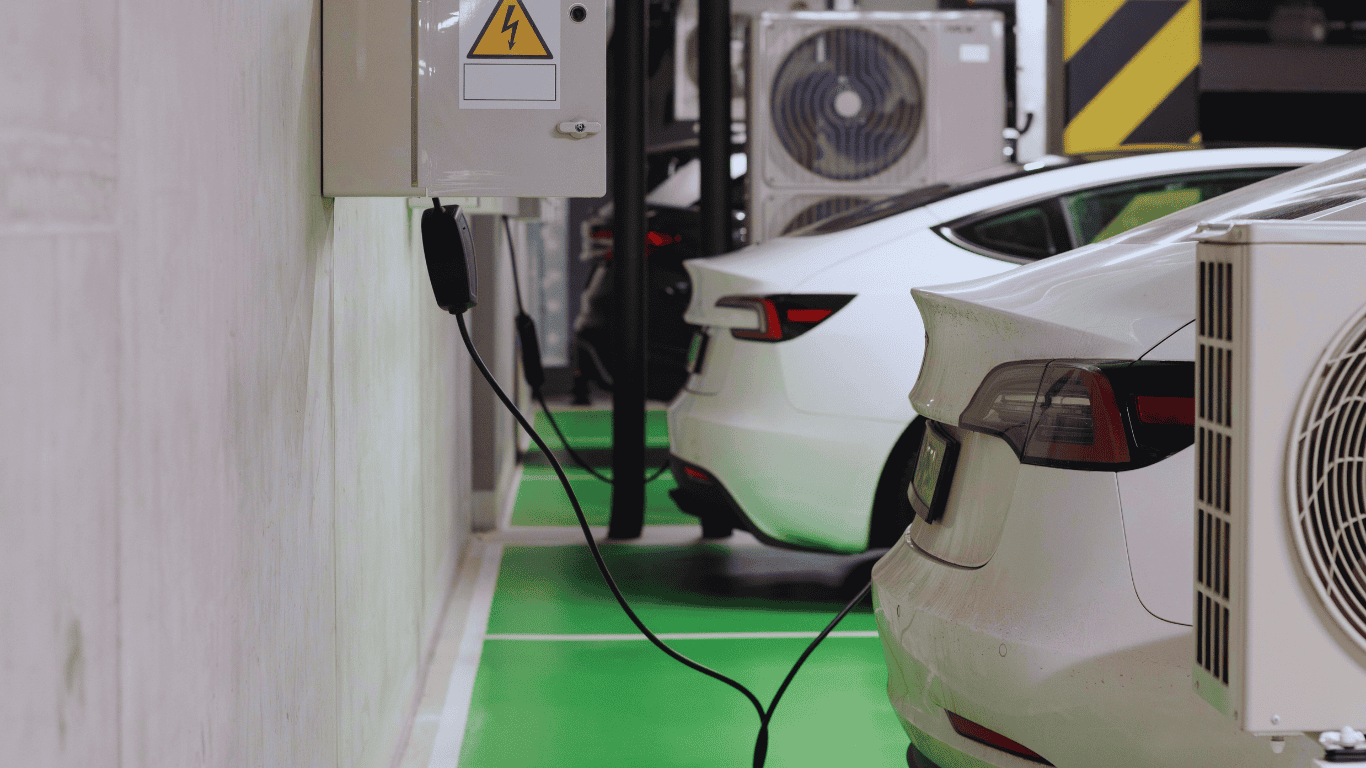
For collectors with limited horizontal space, vehicle lifts or stackers are a common addition. These mechanical systems allow for two or three vehicles to be stored in a single bay's footprint. The structural engineering must account for the point loads created by these lifts, often requiring thicker slabs and specific reinforcement patterns. Additionally, the shift toward electric vehicles has made Level 2 EV charging stations a standard requirement. Installing Tesla Wall Connectors or other high-speed chargers in a subterranean environment involves complex electrical routing and load management to ensure the home's primary grid is not overwhelmed. Heide Contracting integrates these appliance type entities seamlessly into the design-build phase, ensuring the garage is ready for the future of automotive technology.


Impervious Surface Limits

Did you know that in the City of Atlanta, many residential lots are restricted to a 50% impervious surface ratio? This zoning rule often makes it legally impossible to build a standard detached garage on a lot that already has a pool or large driveway. However, because subterranean garages are built beneath the natural grade, they allow homeowners in Buckhead and Morningside to double their storage space without violating these strict "green space" requirements.

The Red Clay Pressure

Did you know that Georgia red clay can exert over 60 pounds per square foot of lateral pressure against a garage wall when it becomes saturated? In a subterranean build, this "hydrostatic pressure" is strong enough to collapse standard masonry blocks. This is why professional underground builders in Atlanta must use reinforced shotcrete and industrial-grade shoring—the same tech used in highway tunnels—to ensure the garage doesn't buckle under the weight of the surrounding soil.

Tree Canopy Protection

Did you know that Atlanta’s Tree Protection Ordinance is one of the strictest in the nation, often requiring a $1,000+ recompense fee for every inch of a "heritage tree" removed? For underground builds in wooded areas like Chastain Park, engineers must use helical piles—deep steel screws—instead of traditional footings. This allows the garage to be anchored deep into the earth without digging up and killing the critical root zones of the city’s iconic old-growth oaks.

Structural Engineering Standards and Brand Authority

The quality of a subterranean project is often dictated by the standards the builder follows. Heide Contracting is a member of the Greater Atlanta Home Builders Association (GAHBA) and the National Association of the Remodeling Industry (NARI) Atlanta, which signifies a commitment to professional ethics and technical excellence. Following the guidelines set by the American Institute of Architects (AIA) Georgia ensures that the aesthetics of the underground space match the architectural integrity of the main residence. This is particularly important in historic districts like Inman Park or Ansley Park, where any new structure must complement the existing neighborhood character.

High-end projects often utilize materials from the Southern Living Custom Builder Program or meet EarthCraft House certifications for energy efficiency. This technical authority is what allows a firm to provide a 10-year structural warranty on below-grade work. When a client invests in subterranean construction, they are looking for a permanent solution to their space problems. Using industrial-grade shoring and multi-layer waterproofing systems ensures that the investment is protected against the elements for decades. The goal is to create a space that feels like a natural extension of the home, featuring the same high-end finishes and attention to detail found in the primary living areas.

Local Relevance Across Atlanta Neighborhoods

From the rolling hills of Morningside to the estate lots of Sandy Springs, every neighborhood has its own topographical and legal personality. Projects located within minutes of the Atlanta BeltLine face different drainage challenges than those in the higher elevations of Vinings or Milton. In Virginia-Highland, lot sizes are often narrower, making the precision of shoring systems critical to avoid disturbing neighboring foundations. Heide Contracting understands these nuances, having performed turnkey project management across all major North Metro service areas including Brookhaven, Roswell, and Alpharetta. This local specificity is vital when dealing with neighborhood-specific tree protection zones and historic preservation requirements.

The firm's familiarity with landmarks like Piedmont Park and the High Museum of Art reflects a deep connection to the Atlanta community. Building in these iconic areas requires a contractor who respects the local infrastructure and understands the logistical challenges of urban excavation. Large-scale digging in Tuxedo Park or near Phipps Plaza involves managing heavy machinery in tight spaces and coordinating with local utilities to avoid service disruptions. An in-house excavation team allows for better control over the timeline and ensures that every stage of the project meets the firm's rigorous structural standards. This local knowledge helps avoid the common pitfalls that often delay projects managed by out-of-state firms.

Comparing Above Ground vs Subterranean Construction

Homeowners often weigh the trade-offs between a traditional garage and a build-down project. While above-ground garages are less expensive to build, they consume valuable yard space and are strictly limited by lot coverage ratios. In a city where land is at a premium, sacrificing a backyard for a three-car garage can actually decrease a home's overall market appeal. Subterranean garages, while requiring a higher initial investment due to excavation and shoring, offer a superior return on property value by preserving the estate's footprint and adding "hidden" square footage that buyers in the luxury market crave.

There are several key factors that influence the decision to build down:

  • Total available lot coverage remaining under City of Atlanta zoning codes.
  • Presence of heritage trees and their critical root zones.
  • The slope of the lot and its suitability for a walk-out or fully buried structure.
  • The total number of vehicles needing climate-controlled storage.
  • The long-term plans for surface-level landscaping or outdoor amenities.

Deciding on the right path requires a comprehensive subsurface site assessment. This initial phase identifies soil types, water table levels, and potential rock obstructions that could affect the cost and duration of the project. By taking a data-driven approach to the site, Heide Contracting provides homeowners with a realistic view of their property's potential. This transparency is a cornerstone of the firm's trust-based service model, ensuring that there are no surprises once the heavy equipment arrives on site.

Building for the Future of North Atlanta

The trend toward denser urban living in Atlanta is not slowing down. As more people move into neighborhoods like Ansley Park and Morningside, the pressure on land will continue to increase. Subterranean construction is not just a luxury; it is becoming a necessary evolution in how we use residential land. Future-proofing a home means finding ways to add functionality without stripping away the green space that makes Atlanta the "City in a Forest." Underground garages represent the intersection of modern technology and classic architectural preservation, allowing historic homes to accommodate modern lifestyles.

A well-engineered subterranean space can also serve multiple purposes. While the primary goal may be car storage, these spaces are frequently designed to include home gyms, wine cellars, or secure storm shelters. The natural insulation provided by the surrounding earth makes it easier to maintain a constant temperature, reducing the energy load on HVAC systems. This sustainability factor is increasingly important to homeowners who value efficiency alongside luxury. By using high-performance vapor barriers and intelligent ventilation, these spaces remain dry, healthy, and usable year-round, regardless of the scorching Georgia summers or humid winters.

Homeowners should consider the following during the design phase:

  • Integration of Level 2 EV charging stations for future vehicle purchases.
  • Placement of CO2 sensors and emergency exhaust overrides for safety.
  • Choice of high-performance epoxy or polyaspartic floor coatings for durability.
  • Installation of LiftMaster smart garage hubs for remote security monitoring.
  • Design of the "green roof" or surface landscape to ensure proper drainage.

Securing Your Investment with Structural Engineering

At the end of the day, an underground garage is only as good as the engineering behind it. A failure in waterproofing or a shift in the retaining walls can lead to catastrophic damage to the vehicles inside and the home above. This is why Heide Contracting emphasizes a "structural first" philosophy. By using heavy-duty shoring and industrial-grade concrete, the firm creates a bunker-like environment that is virtually impervious to the elements. This technical depth is combined with a design-build approach that ensures the finished product is as visually stunning as it is structurally sound.

The peace of mind that comes with a 10-year structural warranty is invaluable for Buckhead homeowners. It represents a commitment to the longevity of the build and the safety of the automotive assets housed within. As a licensed Georgia residential basic contractor with a permitting concierge service, Heide Contracting removes the stress from the construction process. The firm manages every detail, from the initial variance research to the final walkthrough, allowing the client to focus on the enjoyment of their new space. This level of service is what has made the company a leader in the Atlanta custom garage market.

Homeowners ready to reclaim their yard and expand their garage capacity can begin by scheduling a professional consultation. Navigating the complexities of lot coverage and red clay engineering requires an expert eye and a proven track record. By building down, you are not just solving a space problem; you are adding a sophisticated, engineered asset to your property that will stand the test of time. Whether you are looking to house a fleet of luxury cars or simply want to stay compliant with Atlanta's evolving zoning laws, subterranean construction is the definitive answer.

Heide Contracting is the premier choice for discerning clients who refuse to compromise on quality or legal compliance. With a deep understanding of the local landscape and a relentless focus on engineering excellence, the team transforms challenging lots into architectural masterpieces. Don't let lot coverage limits stall your property's potential. Take the first step toward your custom car gallery today. Request a comprehensive subsurface site assessment and find out how our structural engineering expertise can work for your Atlanta estate. Schedule a consultation now to explore the possibilities of building beneath the surface.

For high-end residential engineering and subterranean garage construction in Atlanta, GA, contact Heide Contracting. Our team is ready to discuss your project requirements and help you navigate the permitting and construction of your luxury car vault. Call +1 470-469-5627 or visit our website to book your site evaluation and start the journey toward a truly unique home expansion.

Redirect to:


In the City of Atlanta, "Lot Coverage" typically refers to the percentage of your lot covered by impervious surfaces (buildings, driveways, pools). Because a subterranean garage is located beneath the natural grade, it often allows you to maintain the required "green space" on the surface. However, the driveway ramp leading down to the garage does count as an impervious surface. Many homeowners solve this by using permeable pavers for the ramp to stay within legal limits.
Atlanta’s high water table and dense clay require a three-part defense: Active Drainage: Dual-sump pump systems with battery backups are mandatory to handle "100-year" storm events. Waterproofing: Bentonite clay membranes or crystalline waterproofing are applied to the exterior of the reinforced concrete walls. Vapor Barriers: A 15-mil (or higher) vapor barrier is installed beneath the slab to prevent the humid Georgia soil from creating "sweating" floors that can damage vehicle undercarriages.
While a standard above-ground garage in Atlanta ranges from $35,000 to $65,000, a subterranean build is significantly more expensive due to excavation, shoring, and specialized waterproofing. In 2026, luxury underground builds in Fulton County typically start at $150 to $250 per square foot. For a standard three-car "gallery" (approx. 800 sq. ft.), homeowners should budget between $120,000 and $200,000 depending on the complexity of the site's topography and structural load requirements.

Check our other pages :