James Hardie specifies set distances above the ground, roof, and horizontal surfaces so water cannot wick into the boards, and holding them is a common point installers miss.
Every board cut on site exposes a fresh edge that must be sealed and primed, since an unsealed cut is a weak point where water can get in.
James Hardie's 30-year product warranty assumes the siding was installed to specification, so correct installation protects both performance and coverage.
Fiber cement is only as good as its installation. James Hardie makes some of the most durable siding available, but the boards deliver their 30-to-50-year life only when they go on correctly, sealed and flashed to the manufacturer's specifications. A beautiful product installed with shortcuts can leak, fail early, and even void its warranty. This is a look at what proper fiber cement siding installation involves in Sacramento, and why the details behind the finished wall matter as much as the material itself.
Best Exteriors Construction, Inc. has served the Sacramento area for over two decades from 5041 College Oak Dr Ste C, holds a 4.9 out of 5 rating across 230-plus reviews, and is CSLB licensed and insured under License #923505. The company is a James Hardie Preferred Contractor, and fiber cement makes up roughly 70 percent of its local siding installs. The points below explain how it is done well. Every home is different, so treat this as background rather than a substitute for a free in-home assessment.
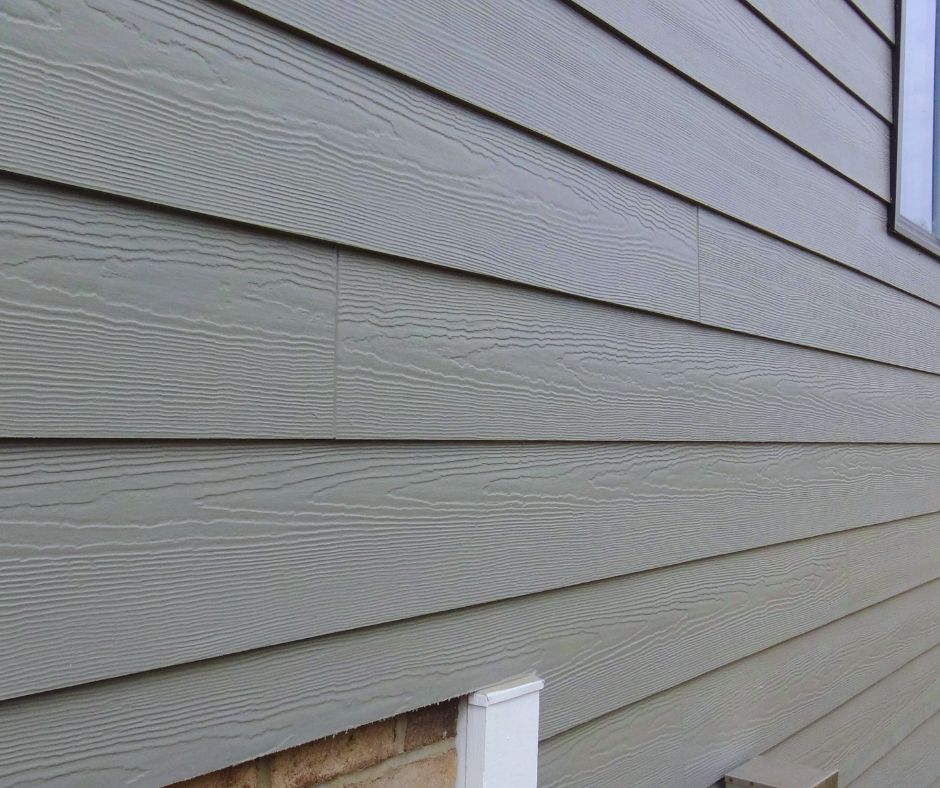
Good installation starts before the first board goes up, with the right product selection. James Hardie engineers its HZ10 product line specifically for hot climates like Sacramento's, matching the boards and finishes to the intense sun and heat of an inland valley. Choosing the line built for the region rather than a generic option is the first decision, and it is one a James Hardie Preferred Contractor makes as a matter of routine on a Sacramento project.
Product choice also covers the profile and finish. James Hardie offers HardiePlank lap siding, HardieShingle panels, and HardiePanel vertical board-and-batten, with HardieTrim for edges and details. The ColorPlus Technology finish is baked on at the factory for color that resists the valley sun. Selecting the right combination of profile, texture, and finish for the home is part of a well-planned fiber cement siding installation, and it sets up everything that follows.
The manufacturer specifies clearances for a reason. Fiber cement must sit a set distance above the ground, off the roof, and away from horizontal surfaces so moisture cannot wick into the boards. Skipping these clearances is one of the most common installation errors, and it leads to moisture problems over time. A crew trained in the manufacturer's methods holds these clearances precisely, protecting the siding from the ground up.
Flashing is the other critical detail. Kick-out flashing directs water away from walls at roof intersections, and Z-flashing protects horizontal joints. Without correct flashing, water finds its way behind the siding and into the wall assembly, defeating the durability the material is known for. Proper flashing is invisible in the finished wall but essential to it, and it is a hallmark of a fiber cement siding installation done to specification rather than in a hurry.
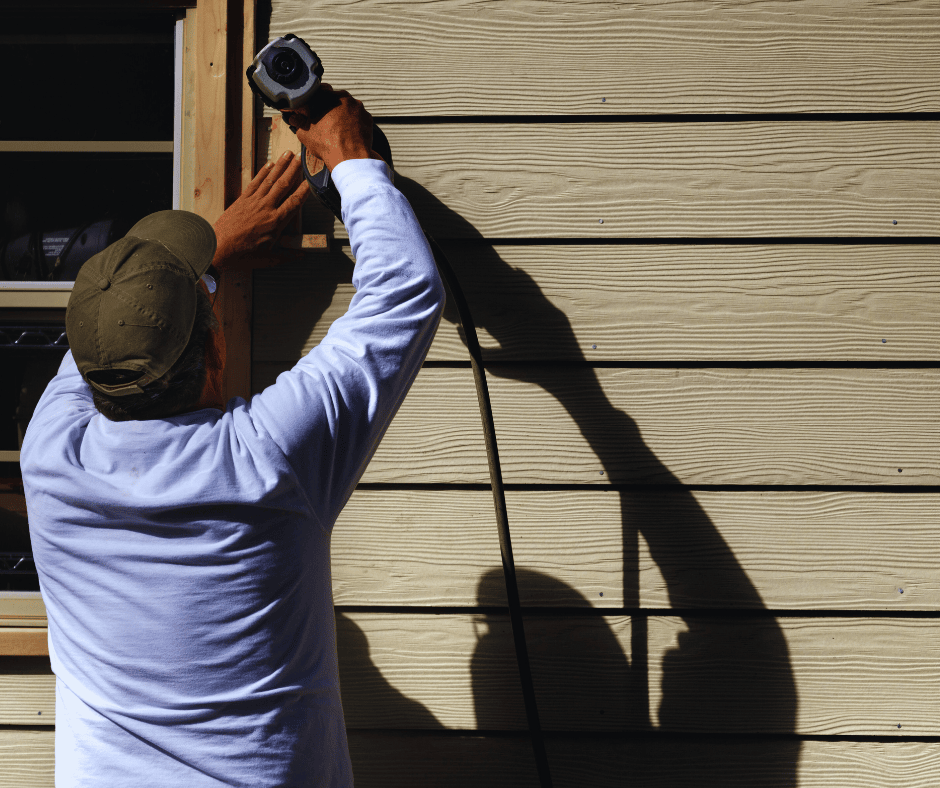
How the boards are attached matters. James Hardie specifies a fastening schedule, and blind nailing, where fasteners are hidden by the next course, produces a clean look and holds the boards securely against the wall. Over-driven or improperly placed fasteners can crack boards or leave them loose, so following the schedule is part of a correct install. A careful crew fastens each board the way the manufacturer intends.
Field cuts need attention too. Every time a board is cut on site, the fresh edge must be sealed and primed to keep moisture out, since an unsealed cut is a weak point. Joint treatment and caulking finish the job, closing the small gaps where water might otherwise enter. These finishing details separate a lasting fiber cement siding installation from one that looks fine on day one but develops problems as the seasons pass in the Sacramento climate.
What sits behind the siding is as important as the boards themselves. A weather-resistive barrier, or housewrap, goes on the wall sheathing before the siding, creating a drainage plane that sheds any water that gets past the boards. Integrated correctly with the flashing, this barrier keeps the wall assembly dry over the decades. A fiber cement siding installation that skips or botches this layer leaves the wall vulnerable no matter how good the boards look.
Getting the barrier and flashing to work together takes knowledge of how water moves on a wall. Laps must run the right direction so water sheds downward, and penetrations for windows, doors, and vents must be sealed and flashed. In Sacramento's wet winters, this hidden system is what protects the home from moisture, and it is one of the reasons a credentialed installer matters. The finished siding hides all of it, but the home depends on it being right.
James Hardie backs its boards with a 30-year limited product warranty, but that coverage assumes the siding was installed to specification. Clearances, fastening, flashing, and sealed cuts are not just best practices; they are conditions of the warranty. An install that ignores them can jeopardize the coverage a homeowner is counting on, turning a long-term product guarantee into a source of disputes when a problem appears.
This is the practical reason the installer's credentials matter so much with fiber cement. A James Hardie Preferred Contractor installs the siding using the manufacturer's methods, so the boards perform and the warranty stands behind them. For a homeowner making a significant investment in a fiber cement siding installation, that alignment between correct installation and warranty protection is a large part of the value of hiring a credentialed local crew.
A siding project follows a clear sequence. The crew removes the old cladding, inspects and prepares the sheathing, and addresses any underlying damage found along the way. The weather-resistive barrier goes on, followed by flashing at all the right points. Then the boards go up course by course, cut and fitted around windows, doors, and corners, with each field cut sealed as the work proceeds.
Throughout, the crew protects the home and cleans up the site, since a residing project is a major undertaking around a house people live in. Trim, caulking, and finishing details complete the job before a final walkthrough. Understanding this rhythm helps a homeowner know what to expect during the project, and it shows why an organized, experienced crew makes the difference between a smooth project and a disruptive one.
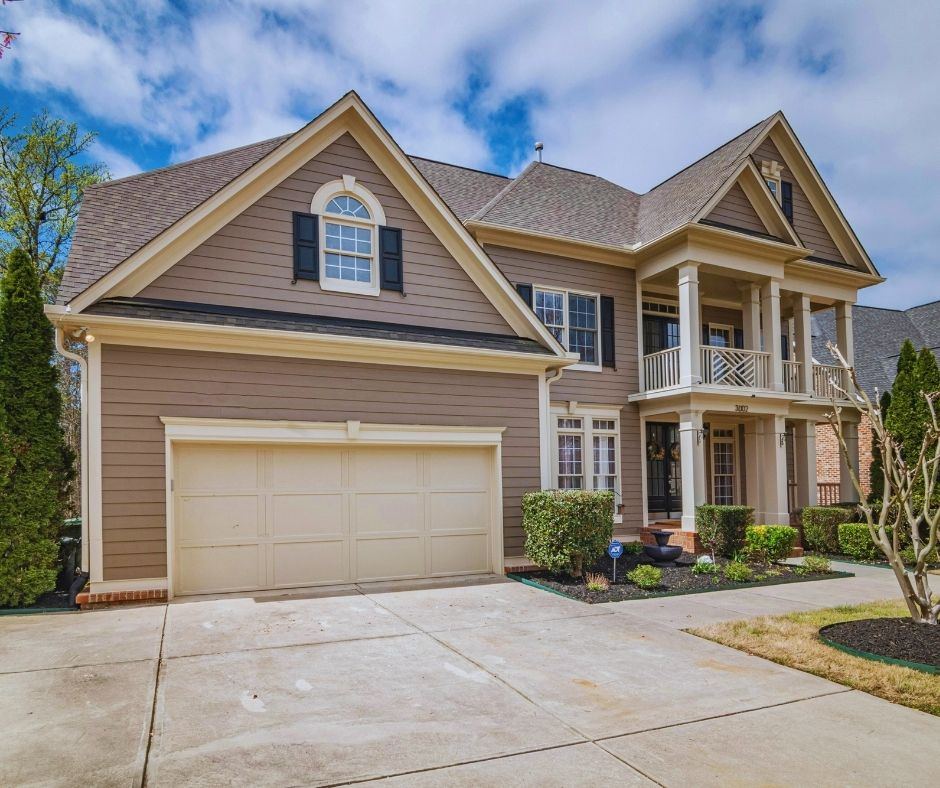
Done right, fiber cement suits the full range of Sacramento architecture. The bungalows of Land Park, Curtis Park, and East Sacramento can keep their traditional wood-look profiles with a Cedarmill texture, while the ranches of Arden-Arcade and Carmichael and newer homes in Natomas and Elk Grove each take the material well. Matching the profile, texture, and ColorPlus finish to the home is part of a thoughtful installation plan.
Wherever the home sits across the region, from near William Land Park to the communities of Folsom and Roseville, the valley climate and the home's style shape the choices. A local installer who has worked across these neighborhoods brings that context to the plan, so the finished siding fits the home and its setting. That combination of correct installation and a fitting design is what makes a fiber cement siding installation both durable and right for the house.
One of the strongest reasons homeowners choose James Hardie is the ColorPlus Technology finish, and a good installation preserves its advantage. Because the color is baked onto the board in a controlled factory process rather than brushed on at the site, it resists the ultraviolet fading that the Sacramento sun inflicts on ordinary paint. The finish carries its own warranty against fading, so the home holds its color far longer than a field-painted surface would.
Preserving that finish through installation means handling the boards carefully, touching up factory-cut edges with the matched sealant and touch-up, and avoiding site damage to the coating. A crew experienced with ColorPlus knows how to keep the factory finish intact from delivery through the final course. The result is a wall that keeps its color for years while neighboring painted homes dull and need repainting, which is one of the most visible long-term payoffs of a proper fiber cement siding installation.
James Hardie fiber cement is non-combustible and carries a Class A fire rating, the highest classification, and a correct installation preserves that protection across the whole wall. The boards themselves resist ignition, and when they are installed with proper trim and detailing, the exterior presents a continuous non-combustible surface. In fire-prone California, that is a meaningful part of the material's appeal, and it holds only when the installation is complete and correct.
This fire performance is one reason so many Sacramento homeowners replace aging wood siding with fiber cement. Wood adds fuel to a fire, while fiber cement does not, so the switch hardens the home's exterior. A credentialed installer completes the fire-resistant envelope with attention to the details around openings and transitions, so the finished siding delivers the protection the material is rated for rather than leaving gaps that undercut it.
James Hardie recognizes contractors who consistently install to its standards, and the Preferred Contractor designation signals that a company has met the manufacturer's expectations for training and quality. For a homeowner, that credential is a shortcut through the uncertainty of choosing an installer. It indicates the crew knows the clearances, the fastening schedule, the flashing details, and the finishing steps that make fiber cement perform, rather than treating it like any other siding.
The credential also aligns the interests of the homeowner, the installer, and the manufacturer around a correct install. Best Exteriors carries this designation and pairs it with local experience across Sacramento's varied housing stock, so the manufacturer's methods are applied with an understanding of the specific homes and neighborhoods in the area. That combination of manufacturer training and local knowledge is what a homeowner gets from a James Hardie Preferred Contractor working on a fiber cement siding installation in the valley.
The finishing details are what set a professional install apart visually. HardieTrim boards frame windows, doors, and corners with clean, consistent lines, and the transitions between courses and around openings are where craftsmanship shows. A rushed job leaves uneven reveals, gaps, and mismatched trim, while a careful one produces crisp, even lines that make the whole home look considered and complete.
These details go beyond looks. Well-fitted trim and properly detailed corners also close the small gaps where water and air might otherwise enter, so the finished look and the weather protection go hand in hand. For a homeowner investing in a new exterior, the difference between an adequate install and a careful one is visible from the street and felt in the decades of performance that follow. That attention to the finish is part of what a credentialed local crew brings to a Sacramento siding project.
Best Exteriors is CSLB licensed and insured under License #923505, carries a BBB A+ rating, is Diamond Certified, and is a James Hardie Preferred Contractor whose crews install to the manufacturer's specifications. The company handles plans and permits, backs its work with a lifetime warranty on installation alongside the James Hardie 30-year product warranty, and offers 0 percent financing with zero down payment. Every project begins with a free in-home or virtual consultation and upfront pricing.
A Sacramento homeowner planning a siding project can call (916) 252-2693 to book a free consultation and get a clear quote. Best Exteriors serves Sacramento and nearby communities including Carmichael, Citrus Heights, Folsom, Rancho Cordova, and Elk Grove. Because a durable exterior depends on both the material and the quality of the install, an on-site look is the right way to plan a fiber cement project that performs for decades in the valley climate.
Redirect to:
|
This page is a redirect. The following categories are used to track and monitor this redirect:
|