
Moss holds moisture against asphalt shingles, which can cause granule loss, curling, and premature deterioration in Oregon’s damp climate.
Industry inspections show that a large percentage of roof leaks originate around chimneys, vents, skylights, and wall intersections where flashing fails.
When gutters overflow, water can back up under shingles and seep into roof decking, fascia boards, and even foundation areas, leading to costly structural repairs.
Your roof is the silent guardian of your home, protecting everything inside from Oregon's demanding weather. From steady Willamette Valley rain to moss-friendly humidity and coastal wind gusts, roofing systems across the state work hard year-round. Many homeowners wait until a leak or shingle failure forces action. By then, repair costs are often far higher than expected. These five practical roofing maintenance tips help homeowners reduce risk, extend roof life, and avoid emergency repair bills.
Klaus Roofing Systems of Oregon is a statewide roofing contractor serving communities across Eugene, Salem, Portland, Roseburg, and the Oregon Coast. Their crews see the same preventable issues again and again. The difference between a small repair and a major roof replacement often comes down to regular attention.

Routine roof inspections are one of the most cost-effective ways to protect a home.Klaus Roofing Systems of Oregon provides detailed roof inspections that focus on early detection. Their technicians examine shingles, flashing, underlayment, roof decking, ventilation, and drainage points where problems often start.
Instead of vague advice, homeowners receive clear findings supported by photos and notes. Flashing around chimneys, vent pipes, and skylights is carefully reviewed. Areas prone to moss growth, algae staining, or hidden wood rot are documented. This inspection approach helps homeowners plan roof repair work before leaks reach insulation or interior ceilings.
Scheduling inspections twice a year, typically in spring and fall, works well for Oregon homes. These inspections are valuable for asphalt shingle roofing, metal roofing, and tile systems alike. Documentation can also help with insurance claims or when selling a home.
Gutters play a critical role in roof performance, especially in Oregon's wet climate. When gutters clog with leaves, pine needles, and debris, water backs up under shingles and along the drip edge. Over time, this leads to roof leaks, fascia damage, and rot in roof decking.
Gutters should be cleaned at least twice a year. Homes near trees often need more frequent service. While cleaning, it is important to check for sagging sections, loose fasteners, rust spots, or leaks at seams. Downspouts should carry water safely away from the foundation.
Many homeowners choose seamless gutters or RainDrop Pro Gutter Guards to reduce maintenance. These systems help prevent debris buildup while maintaining proper water flow. Clean gutters protect roofing materials, siding, and landscaping from unnecessary water damage.
Trees provide shade and curb appeal, but branches hanging over a roof create constant risk. During storms, limbs can break and puncture roofing materials. Even without storms, branches rubbing against shingles remove protective granules, shortening shingle lifespan.
Leaves and needles that collect on roofs and in valleys trap moisture. That damp environment encourages moss growth, algae staining, and mold. Dense shade also slows drying after rainfall, which accelerates deterioration.
Branches should be trimmed back at least six to ten feet from the roof surface. Smaller branches can often be handled with homeowner tools, but large limbs should be removed by professionals to avoid roof or property damage. Regular trimming reduces debris and helps roofing systems dry properly after rain.
Moss and algae are more than surface issues on Oregon roofs. Moss grows thick and lifts shingles, allowing water to penetrate beneath the roofing system. Algae staining often signals constant moisture retention that weakens asphalt shingles over time.
Light growth can sometimes be removed with approved roof cleaners and soft brushing. Pressure washing should never be used, as it strips granules and forces water under shingles. Heavier growth is best handled by professionals who use proper methods to protect shingles and underlayment.
Debris such as leaves and branches should be removed regularly, especially from roof valleys and behind chimneys. A roof rake with an extension pole allows safe debris removal from the ground. Keeping the roof clean helps prevent leaks, rot, and premature aging.
Most roof leaks begin at flashing failure points. Flashing protects seams around chimneys, skylights, vent pipes, and wall intersections. In Oregon's wet conditions, flashing must remain secure and sealed to keep water out.
During routine checks, flashing should be inspected for rust, cracks, loose fasteners, or dried sealant. Minor issues can often be resealed with roofing-grade materials. Step flashing along walls and valleys deserves close attention, as it manages heavy water flow.
Chimney flashing is especially vulnerable because it bridges different materials that expand and contract at different rates. When flashing is damaged or incorrectly installed, professional roof repair in Eugene, OR is recommended. Correct flashing installation prevents persistent leaks that can be costly to trace and repair.
Roof care does not require advanced skills or expensive tools. It requires consistency and early action. Professional inspections, clean gutters, trimmed trees, debris removal, and flashing maintenance form a strong defense against roof damage.
Klaus Roofing Systems of Oregon is a CCB-licensed roofing contractor providing roof repair, roof replacement, gutter installation, and emergency roof repair across Oregon. Their experience across the Willamette Valley, coastal regions, and inland communities allows them to tailor roofing systems for each environment.
Addressing small roofing issues early keeps repair costs manageable and helps roofs last longer. Preventive maintenance today reduces the risk of costly emergency repairs tomorrow and protects the home from Oregon's demanding weather year after year.

Eugene's wet season exposes weak points fast. Ceiling stains, granule loss in gutters, and moss growth often show up before a major leak. These signals usually point to moisture infiltration under asphalt shingles or worn underlayment. In neighborhoods like College Hill, Friendly Street, and the Whiteaker, older roof decking can start rotting when water stays trapped under shingles. In Cal Young, Santa Clara, and River Road, tree limb damage and clogged gutters can push water under the drip edge and into soffit vents.
Klaus Roofing Systems of Oregon approaches roof repair with the Klaus Roofing Way. The team focuses on structural integrity and moisture-proof barriers, not quick patches. Crews inspect roof decking, step flashing, chimney crickets, ridge vents, and drip edge transitions to stop recurring leaks. Thermal imaging cameras and moisture meters help locate hidden wet areas in attic insulation without tearing into finished spaces. This matters in homes near Alton Baker Park, Skinner Butte, and Spencer Butte where wind-driven rain can enter at flashing seams.
For homeowners in Eugene zip codes 97401, 97402, 97403, 97404, 97405, 97408, and 97440, early roof leak repair often avoids bigger interior damage. Klaus Roofing Systems of Oregon provides free estimates and clear written findings so homeowners can act before rot spreads into sheathing and framing.

Heavy rain and wind events in the Willamette Valley can rip off missing shingles, crack flashing, and push debris into valleys. When water starts dripping or a tree limb hits the roof, the priority is stopping water entry and preventing mold in attic insulation. Klaus Roofing Systems of Oregon offers 24/7 emergency dispatch for emergency roof repair and storm damage restoration across Eugene and nearby areas such as Springfield, Junction City, Veneta, Creswell, Cottage Grove, Pleasant Hill, and Harrisburg.
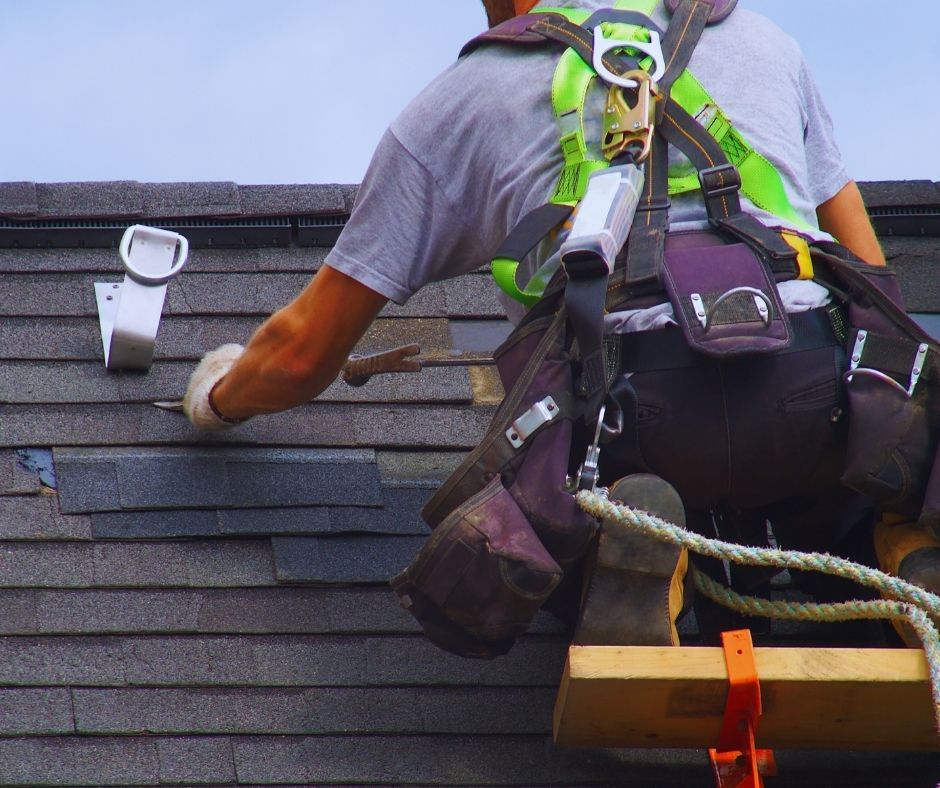
Same-day roof repair often begins with a roof inspection and a safe stabilization plan. OSHA-certified crews use safety harness systems for steep roofs in the South Hills and around College Hill. Temporary protection may include targeted sealing at step flashing or a controlled tarp application when conditions require it. The repair plan then addresses the cause, such as damaged asphalt shingles, compromised underlayment, loose ridge vents, or failed chimney crickets. The team works with major roofing brands including GAF, Owens Corning, CertainTeed, Tamko, and IKO, and can recommend RainDrop® Gutter Guards to reduce recurring drainage problems caused by clogged gutters.
Klaus Roofing Systems of Oregon is licensed with Oregon CCB #231578, BBB accredited with an A+ rating, and follows strict property protection standards. Homeowners near the University of Oregon and Autzen Stadium, Valley River Center, and the Hult Center for the Performing Arts can request a free professional roof inspection and get a clear repair timeline before the next storm arrives.
Redirect to:
|
This page is a redirect. The following categories are used to track and monitor this redirect:
When appropriate, protection levels are automatically sensed, described and categorized.
|
Redirect to:
|
This page is a redirect. The following categories are used to track and monitor this redirect:
|