Assessing the Need for Long-Term Care Post-Surgery
Assessing the Need for Long-Term Care Post-Surgery
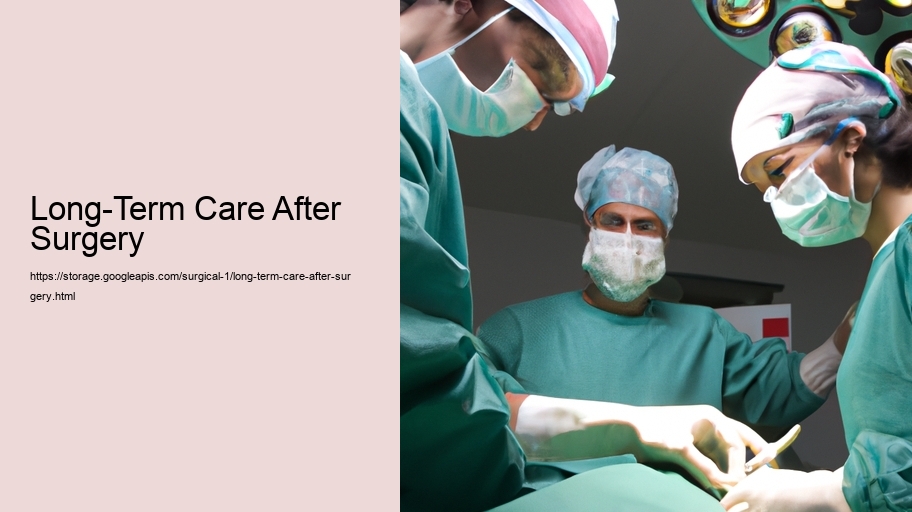
The journey of recovery following surgery does not end the moment a patient leaves the operating room. In fact, for many, it is only the beginning. Postoperative care is a critical phase that determines the overall success of the surgery and the speed at which the patient can return to their daily life. Among the considerations during this phase is the potential need for long-term care, a topic that warrants careful evaluation and planning.
Long-term care post-surgery involves various services that support a patient's health, personal, and social needs over an extended period. The goal is to help individuals achieve the highest possible level of independence after surgery, while also managing any ongoing health issues. This care may be provided at home, in the community, in assisted living facilities, or in nursing homes, depending on the severity of the patient's condition and the level of care required.
The assessment of the need for long-term care post-surgery begins with a comprehensive evaluation of the patient's current health status, medical history, and the complexity of the surgery performed. Surgeons, nurses, and rehabilitation specialists come together to create a postoperative care plan that includes pain management, wound care, physical therapy, and monitoring for potential complications.
One of the most significant factors in this assessment is the patient's functional ability, which includes mobility, strength, and the capacity to perform activities of daily living (ADLs), such as bathing, dressing, and eating. If surgery has left a patient with limitations that impede these basic tasks, long-term care services may be necessary. Occupational therapists often play a key role in evaluating these needs and recommending appropriate adaptations or support.
Another crucial consideration is the patient's support system. Does the patient live alone, or is there a network of family and friends who can assist with care? If social support is lacking, long-term care becomes even more critical to ensure the patient's welfare and to prevent complications that can arise from inadequate postoperative care, such as infections or falls.
For elderly patients or those with chronic conditions, the need for long-term care post-surgery may be more evident. These individuals often have a slower healing process and may have pre-existing disabilities that can be exacerbated by surgery. In such cases, the care plan may include a transition from a hospital to a skilled nursing facility before the patient returns home, if at all possible.
Financial considerations also come into play when assessing the need for long-term care. The costs associated with these services can be substantial, and not all are covered by insurance or national health systems. Patients and families must work with social workers and financial advisors to understand the expenses involved and explore options for funding.
In conclusion, the assessment of the need for long-term care post-surgery is a multifaceted process that requires a personalized approach. It is essential to evaluate each patient's unique situation, considering their medical needs, functional abilities, support system, and financial resources. By doing so, healthcare providers can craft a care plan that promotes recovery, safeguards against complications, and ultimately enhances the patient's quality of life following surgery. It is a testament to the importance of a holistic, patient-centered approach to healthcare, one that recognizes surgery as not just a single event but a pivotal moment in a patient's continuum of care.
Types of Long-Term Care Facilities for Surgical Patients
Long-term care facilities play a crucial role in the recovery and rehabilitation of surgical patients who require extended medical attention and assistance. These facilities provide a bridge between the hospital and home environments, ensuring patients receive the necessary care to recover fully and regain their independence. The types of long-term care facilities for surgical patients vary depending on the level of care needed, the duration of the stay, and the specific services offered.
One common type of long-term care facility is the skilled nursing facility (SNF). SNFs are equipped to handle patients who need high-level medical care following surgery, including wound care, intravenous therapy, and physical rehabilitation. The staff at these facilities includes registered nurses, licensed practical nurses, and certified nurse aides who work under the supervision of physicians. The goal in a skilled nursing facility is to provide comprehensive care that enables the patient to recover to the point where they can return home or transition to a lower level of care.
Another type of long-term care facility is the inpatient rehabilitation facility (IRF). IRFs are designed for patients who are well enough to participate in an intensive rehabilitation program but still require medical oversight. These facilities provide physical, occupational, and speech therapy with the aim of helping patients regain strength, mobility, and the ability to perform daily living activities. IRFs are often chosen for patients recovering from orthopedic surgeries or strokes that have resulted in mobility or functional deficits.
Long-term acute care hospitals (LTACHs) cater to patients with complex medical conditions that require long-term hospital-level care but do not need the intensive diagnostic or surgical services provided in a traditional hospital setting. LTACHs are suitable for patients with multiple medical issues, those who are ventilator-dependent, or who require prolonged recovery periods. The focus in an LTACH is on stabilizing the patient's condition and providing comprehensive care over an extended period, which can last several weeks to months.
Assisted living facilities (ALFs) offer a residential option for surgical patients who may not need intensive medical supervision but still require assistance with daily activities, such as bathing, dressing, or medication management. While ALFs are not equipped to provide complex medical care, they do offer a supportive environment where patients can continue to recover with some level of independence.
Finally, home healthcare services can be considered a type of long-term care for surgical patients who prefer to recuperate in the comfort of their own homes. Home healthcare involves professional caregivers, such as nurses or therapists, visiting the patient's home to provide necessary medical care and rehabilitation services. This option is ideal for patients who are stable and have a support system at home but still require professional medical attention.
Selecting the appropriate long-term care facility for a surgical patient depends on a multitude of factors, including the type and extent of surgery, the patient's medical needs, and their personal preferences. It is crucial for patients, families, and healthcare providers to work together to choose the facility that best aligns with the patient's recovery goals and provides the level of care needed for a successful transition back to everyday life.
Planning for Long-Term Care: Financial and Legal Considerations
Planning for Long-Term Care: Financial and Legal Considerations
When an individual undergoes surgery, thoughts of recovery and returning to everyday life are at the forefront. However, for some, particularly the elderly or those with complex medical conditions, surgery can signal the beginning of a need for long-term care. Planning for this care is a critical step that should be considered as early as possible, as it involves navigating a web of financial and legal considerations that can impact the individual's quality of life and financial health.
Financial Considerations
Long-term care after surgery can be expensive, and the costs can quickly deplete savings if not planned for adequately. The first step in financial planning is to understand the potential costs of care, which can include home health aides, nursing home stays, specialized rehabilitation, and necessary medical equipment. Once the costs are estimated, individuals and their families can explore various options for funding long-term care.
One of the primary sources of funding for many is private insurance, including health insurance and long-term care insurance. While health insurance may cover some immediate postoperative care, it often falls short of covering extended care. As such, long-term care insurance can be a wise investment, but it must be purchased before the need arises, as policies typically exclude pre-existing conditions or require higher premiums as one ages.
Medicare and Medicaid are government programs that may provide some relief, but their coverage is limited. Medicare typically covers short-term care following surgery, but it does not pay for custodial care, which is the most common type of long-term care. Medicaid, on the other hand, may cover long-term care costs but requires individuals to meet strict financial eligibility criteria, often necessitating the spend-down of assets to qualify.
Legal Considerations
Legal planning is just as crucial as financial planning when it comes to long-term care. It involves setting up the appropriate legal documents to ensure that an individual's healthcare and financial wishes are respected if they become incapacitated. The essential legal documents include a will, durable power of attorney for healthcare, durable financial power of attorney, and a living will or advanced healthcare directive.
A will dictates how an individual's assets will be distributed after their death, which can be particularly important if they have specific wishes about the legacy they want to leave behind. A durable power of attorney for healthcare appoints someone to make medical decisions on the individual's behalf if they cannot do so themselves, and a living will provides instructions for end-of-life care. The financial power of attorney allows a trusted person to manage financial affairs, which can be especially important if long-term care costs need to be managed.
Additionally, trusts can be a valuable legal tool in long-term care planning. Certain types of trusts can help manage and protect assets while also potentially allowing individuals to qualify for Medicaid coverage for long-term care.
Conclusion
Planning for long-term care after surgery involves a complex interplay of financial and legal considerations. Individuals must evaluate their insurance options, understand government program limitations, and prepare necessary legal documents to ensure that they receive the care they need without undue financial strain. By taking a proactive approach and seeking advice from financial and legal professionals, individuals can navigate these challenges and focus on recovery and maintaining the best possible quality of life.
The Role of Rehabilitation in Long-Term Recovery
The Role of Rehabilitation in Long-Term Recovery
Long-term care after surgery is a multifaceted journey that involves not only the initial healing phase but also a prolonged period of rehabilitation, which plays a pivotal role in the ultimate recovery and quality of life of a patient. Rehabilitation encompasses a variety of therapeutic strategies aimed at aiding individuals in regaining strength, function, and independence after surgical interventions.
Surgery, while often necessary to address a specific medical issue, can lead to a number of challenges for patients. These can include reduced mobility, loss of muscle mass, decreased endurance, and even psychological impacts such as depression or anxiety stemming from the stress of the surgery and the recovery process. It is in this context that rehabilitation services become invaluable, bridging the gap between acute medical treatment and full recovery.
Rehabilitation is tailored to the individual needs of each patient and typically involves a team of healthcare professionals, including physical therapists, occupational therapists, speech-language pathologists, and sometimes psychologists or vocational therapists. This interdisciplinary approach is designed to address the multifaceted needs of patients recovering from surgery.
Physical therapy often lies at the core of rehabilitation, helping patients to regain strength and mobility. Therapists work with patients to develop a personalized exercise regimen that can aid in restoring function and minimizing the risk of further injury. These exercises often start gently and increase in intensity as the patient's capability improves, always with the goal of returning to as normal a level of function as possible.
Occupational therapy plays a critical role as well, especially for patients whose surgeries have impacted their ability to perform daily tasks. Occupational therapists help individuals relearn skills required for activities of daily living, such as dressing, cooking, and personal hygiene, and can recommend adaptive equipment to facilitate independence.
Cognitive rehabilitation may also be necessary for patients who have experienced surgeries that affect their cognitive functions. Speech-language pathologists can assist in regaining communication skills, while neuropsychologists can offer strategies to cope with changes in memory, attention, and executive functioning.
Beyond the physical and cognitive aspects, the emotional and psychological dimensions of recovery are also addressed in a comprehensive rehabilitation program. Coping with the aftermath of surgery can be emotionally taxing, and it's not uncommon for patients to experience feelings of frustration, sadness, or anger. Mental health professionals can offer support and strategies to help manage these emotions and facilitate a positive mindset, which is essential for long-term recovery.
The duration and intensity of rehabilitation vary widely depending on the type of surgery and the individual patient's needs. For some, rehabilitation can be a matter of weeks; for others, it might span months or even years. The overarching objective, however, remains consistent: to support the patient in regaining as much function and independence as possible and to improve their overall quality of life.
In conclusion, rehabilitation is a cornerstone of long-term care after surgery. It is an essential component of the healing process, helping patients to overcome the physical, cognitive, and psychological hurdles posed by their surgical experiences. Through the dedicated efforts of a multidisciplinary rehabilitation team and the active participation of the patient, long-term recovery is not just about surviving but thriving after surgery.
Home Care vs. Facility Care: Pros and Cons
When considering long-term care after surgery, patients and their families often have to choose between home care and facility care. Each option comes with its own set of advantages and disadvantages, and the best choice will depend on the individual's specific needs, condition, preferences, and financial situation.
Home Care: Pros and Cons
Pros:
Comfort and Familiarity: Recovery in the comfort of one's own home can be soothing, which may promote faster healing. Familiar surroundings can also help maintain a patient's mental and emotional well-being.
Personalized Attention: Home care often allows for more personalized care because the caregiver is attending to one individual rather than multiple patients in a facility.
Flexibility: Home care schedules can be more adaptable to the needs of the patient and the family, allowing for a routine that feels more natural and less institutional.
Family Involvement: Being at home makes it easier for family and friends to visit and be involved in the patient's care, providing emotional support that can be crucial for recovery.
Cons:
Cost: Home care can be expensive, especially if around-the-clock care is needed. While some insurance policies cover home care services, there may still be significant out-of-pocket expenses.
Medical Limitations: Home care may not be able to provide the same level of medical care and access to emergency services that a facility can offer, especially for patients with complex medical needs.
Isolation: Patients may feel socially isolated if they are confined to their home, especially if they live alone or if their condition limits their mobility.
Caregiver Strain: Family members acting as caregivers can experience burnout, as they may not be adequately trained for the demands of care or struggle to balance caregiving with other responsibilities.
Facility Care: Pros and Cons
Pros:
Access to Medical Care: Facilities are often better equipped to handle medical emergencies and provide access to various health professionals, including doctors, nurses, and rehabilitation therapists.
Structured Environment: Facilities have structured routines and programs that can help patients regain their independence more quickly through regular therapy and social activities.
Safety: Facilities are designed with the safety of patients in mind, with features such as handrails, emergency call systems, and 24-hour supervision.
Social Interaction: Patients have more opportunities to socialize with others in similar situations, which can help combat feelings of isolation and depression.
Cons:
Loss of Independence: Living in a facility can feel restrictive to some patients, as they have less control over their daily schedules and living space.
Cost: While facility care can also be costly, in some cases, it may be more affordable than home care, especially for those requiring extensive assistance. However, long-term stays can drain savings and may not be fully covered by insurance.
Infection Risk: In a facility, there is a greater risk of infections due to the close proximity of patients and the high volume of individuals in and out of the facility.
Adjustment Period: Transitioning from home to a facility can be challenging for many patients, leading to stress and anxiety, which can potentially affect recovery.
In conclusion, deciding between home care and facility care after surgery requires careful consideration of the patient's medical needs, personal preferences, support system, and financial capabilities.
Navigating Psychological and Emotional Support After Surgery
Navigating Psychological and Emotional Support After Surgery
Recovery from surgery extends far beyond the physical healing of incisions and the rehabilitation of muscles; it is a comprehensive journey that includes significant psychological and emotional dimensions. The period post-surgery can be fraught with a range of emotions: relief at the prospect of improved health, anxiety about the recovery process, concerns about the ability to return to normal life, or even fear of potential complications. Addressing these aspects is crucial for holistic long-term care after surgery.
The initial phase after surgery often brings a sense of vulnerability, as patients grapple with pain management, limited mobility, and the need for assistance in daily activities. This state can give rise to feelings of helplessness or dependency, which can be especially challenging for individuals accustomed to leading independent lives. Moreover, the psychological impact of altered body image or function due to surgery can lead to a complex emotional response, including grief or loss.
It is essential to recognize that such emotional reactions are normal and valid. Open communication with healthcare providers, caregivers, and support networks can facilitate the expression of these feelings, making them easier to manage. Patients should be encouraged to discuss their fears and concerns, and healthcare professionals can provide reassurance, clarify expectations for recovery, and offer strategies for coping with changes in body image and function.
One of the pillars of psychological and emotional support after surgery is a robust support system. Family, friends, and support groups can play a pivotal role in providing comfort and assistance. Support groups, in particular, offer a platform for connecting with others who have undergone similar experiences, allowing for the exchange of stories, advice, and encouragement.
Professional psychological support can also be invaluable. Counseling or therapy with a psychologist or psychiatrist can help individuals process their emotions, develop coping mechanisms, and combat potential mental health issues such as depression or anxiety. Cognitive-behavioral therapy, in particular, can be effective in altering negative thought patterns and promoting more adaptive attitudes towards recovery.
Mind-body practices such as meditation, deep breathing exercises, and gentle yoga can help manage stress and improve mental well-being. Engaging in such practices can provide a sense of control over one's recovery and contribute to overall emotional resilience.
Furthermore, it is important to set realistic expectations and celebrate milestones in the recovery process. Small achievements, such as walking a few more steps each day or managing pain more effectively, can offer encouragement and boost morale. Developing a structured plan for physical recovery that includes achievable goals can provide a sense of progress and purpose.
In conclusion, comprehensive long-term care after surgery must encompass the psychological and emotional aspects of healing. By fostering open communication, building strong support networks, seeking professional help when necessary, and employing mind-body practices, patients can navigate the complex emotional landscape of post-surgical recovery. A holistic approach that addresses these facets can lead to a more positive outcome, enhancing the quality of life and facilitating a return to normalcy after surgery.
Transitioning Back to Independence: Steps and Challenges
Recovering from surgery often involves more than just physical healing; it also encompasses a journey back to independence. This transitional phase can be both a challenging and rewarding process, as patients relearn and readapt to their daily routines without the constant support of healthcare professionals. Here are some steps and challenges associated with transitioning back to independence after long-term care following surgery.
Steps to Transitioning Back to Independence
Assessment by Healthcare Professionals: Before leaving long-term care, a detailed assessment by doctors, nurses, and therapists is crucial to ensure the patient is ready for the transition. This includes evaluating the patient's physical strength, mobility, and ability to perform daily tasks.
Development of a Care Plan: A personalized care plan is essential to guide the transition. This plan outlines the patient's goals, the support they will need, and the steps to take to achieve independence. It often includes physical therapy exercises, follow-up appointments, and medication management.
Home Safety Evaluation: Modifying the home environment to make it safe and accessible is a critical step. This may involve installing grab bars, securing rugs, or rearranging furniture to prevent falls and facilitate movement.
Family and Community Support: Transitioning back to independence often requires a support network. Family members, friends, and community resources such as home health aides or meal delivery services can provide necessary assistance while the patient regains autonomy.
Gradual Increase in Activities: Patients should gradually increase their participation in daily activities. This means starting with simple tasks and slowly taking on more complex ones as strength and confidence grow.
Challenges in Transitioning Back to Independence
Physical Limitations: Post-surgery patients often face physical limitations that make it difficult to perform even basic tasks. Pain, fatigue, and reduced mobility can severely impact their quality of life and slow down the transition.
Emotional and Psychological Hurdles: The emotional toll of surgery and long-term care cannot be underestimated. Patients may experience feelings of frustration, depression, or anxiety as they cope with their new reality, which can hinder their progress.
Adherence to the Care Plan: Sticking to the prescribed care plan can be a challenge, especially without the structured environment of a care facility. Patients need to be disciplined in taking medications, attending follow-up appointments, and performing recommended exercises.
Financial Strain: The cost of home modifications, medical equipment, and continued outpatient services can add financial stress to the already daunting task of recovery.
Risk of Complications: There is always the risk of complications or setbacks during recovery. Infections, poor wound healing, or other medical issues may require additional medical intervention and delay the transition to independence.
In conclusion, transitioning back to independence after long-term care following surgery is a multi-faceted process filled with both milestones and obstacles. It requires careful planning, support, and a great deal of patience and resilience. By understanding the necessary steps and preparing for potential challenges, patients can navigate this phase more effectively and return to a fulfilling, independent life.