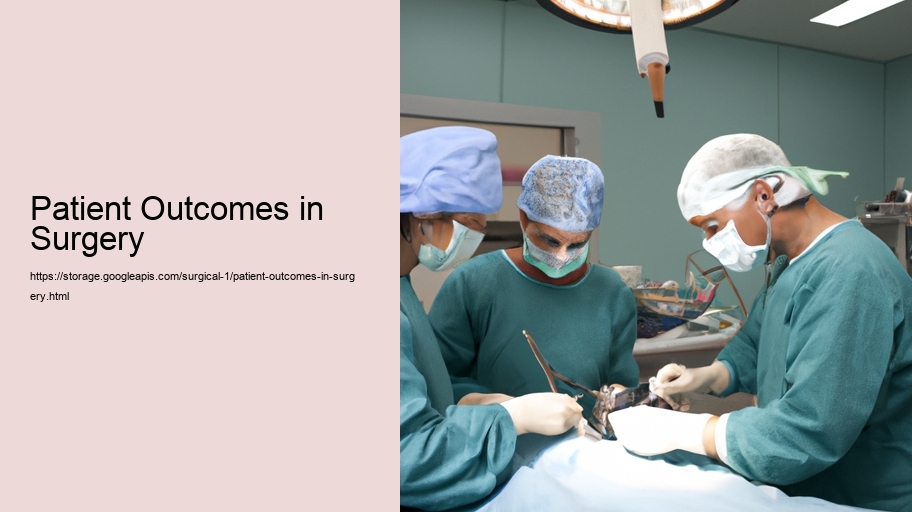
Patient outcomes in surgery are a multifaceted measure of how well patients do after surgical procedures. The importance of patient outcomes cannot be overstated, as they provide a tangible way to assess the effectiveness and quality of surgical care. Improving these outcomes is a central goal for healthcare providers, hospitals, and healthcare systems worldwide.
There are several dimensions to consider when evaluating patient outcomes in surgery. Firstly, clinical outcomes encompass the success of the procedure itself, the occurrence of any complications, and the patient's physical recovery. A successful surgical outcome typically means that the surgery achieved its primary objective, be it removing a tumor, repairing a damaged organ, or relieating symptoms. However, the absence of postoperative complications such as infections, bleeding, or unexpected reactions to anesthesia is equally crucial in determining a positive outcome.
Another critical aspect of patient outcomes is the patient's quality of life following surgery. This includes not only the resolution of symptoms but also factors like pain management, mobility, mental health, and the ability to return to normal activities. For many patients, a successful surgery is one that allows them to enjoy a similar, if not better, quality of life than they had before their medical issue arose.
Patient-centered outcomes are increasingly recognized as essential. These focus on individual patient experiences, preferences, and values. They take into account how patients perceive their care and recovery, including their satisfaction with the treatment they received, their interaction with healthcare professionals, and their involvement in decision-making processes.
Moreover, functional outcomes are a subset of patient outcomes that focus on the patient's ability to function in daily life post-surgery. This can involve basic activities such as bathing and dressing, more complex tasks like returning to work or school, or even engaging in sports or hobbies. The goal of many surgical interventions is to restore or enhance the patient's ability to perform these activities.
Long-term outcomes are also a significant consideration. These may involve the durability of the surgical repair or the long-term effects of the procedure on the patient's health. For instance, in joint replacement surgery, the longevity of the prosthetic joint and the need for revision surgery are important long-term outcomes.
The measurement of patient outcomes is a complex process that involves various tools and methodologies. Clinical measures such as survival rates, infection rates, and readmission rates are commonly used to gauge clinical effectiveness. Patient-reported outcome measures (PROMs) are questionnaires that patients fill out themselves to provide information on their health status and quality of life. These tools are invaluable for capturing the patient's perspective and are increasingly used in surgical care assessment.
Improving patient outcomes in surgery is a continuous process that requires a commitment to best practices, ongoing education, and innovation. Surgeons and healthcare teams must stay up-to-date with the latest techniques and technologies that can enhance surgical precision, reduce complications, and speed recovery. Additionally, a multidisciplinary approach to preoperative and postoperative care, including the involvement of nurses, physical therapists, and pain management specialists, can significantly improve outcomes.
Patient safety initiatives are also critical for improving outcomes. This includes everything from ensuring sterile operating environments and using surgical checklists to prevent errors, to implementing systems for monitoring patients postoperatively to catch and address complications early.
In conclusion, patient outcomes in surgery are a comprehensive standard by which the quality of surgical care is judged. They encompass not only the immediate success of the procedure but also the patient's quality of life, functional abilities, and long-term health. As the healthcare landscape continues to evolve, the focus on patient outcomes becomes increasingly important, driving advancements in surgical practices and patient care. Improving these outcomes is a shared responsibility among surgeons, healthcare professionals, and institutions, all striving to provide care that is safe, effective, and patient-centered.