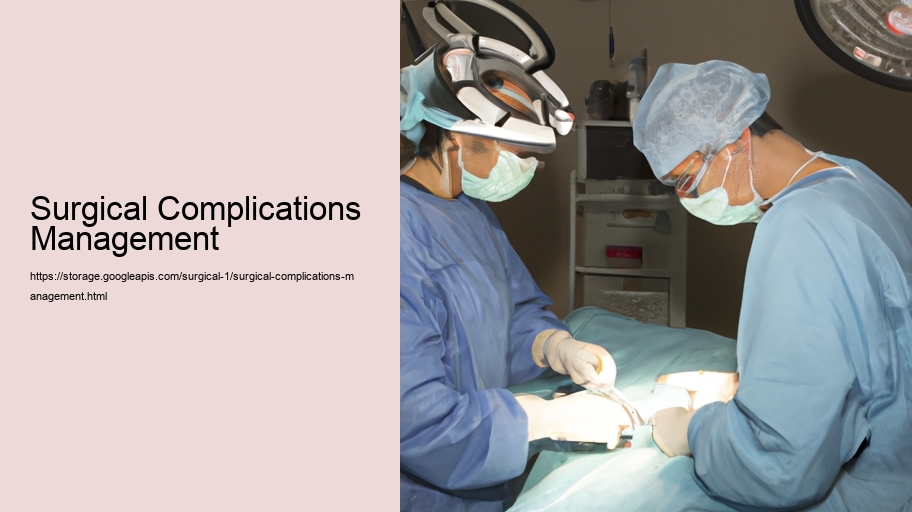
Preoperative Strategies to Minimize Surgical Rispects
Preoperative Strategies to Minimize Surgical Risks
Surgery, by its nature, carries inherent risks. However, meticulous preoperative preparation can significantly reduce the incidence of surgical complications. The management of such risks begins long before the patient is wheeled into the operating theater. A multi-disciplinary approach involving surgeons, anesthesiologists, nurses, and other healthcare professionals is essential to mitigate potential dangers and ensure the best possible outcomes for patients.
One fundamental aspect of preoperative strategy is a comprehensive patient evaluation. This assessment includes a detailed medical history to identify any underlying conditions, previous surgeries, medication usage, allergies, and lifestyle factors such as smoking or alcohol consumption, which can impair healing and increase the risk of complications. The physical examination must be thorough, assessing the patient's nutritional status, cardiorespiratory function, and any signs of infection that could complicate surgery.
Preoperative testing is another crucial component. Blood tests, imaging studies, and other diagnostic tests help to paint a clearer picture of the patient's health status and uncover any hidden conditions. For instance, blood tests can reveal anemia, clotting disorders, or electrolyte imbalances that need to be corrected before surgery. Imaging studies can identify anatomical anomalies that could affect the surgical approach.
Optimization of existing medical conditions is a key strategy in minimizing surgical risks. Patients with chronic illnesses such as diabetes, hypertension, or heart disease require their conditions to be well-managed and stable prior to surgery. Adjustments to medication regimens may be necessary, with the input of the treating specialists, to ensure optimal control during the perioperative period.
Nutritional optimization is often overlooked but is increasingly recognized as a vital preoperative strategy. Malnutrition impairs wound healing and immune function, increasing the risk of infection and other complications. A nutritional assessment and, if necessary, intervention with diet modification or supplementation can enhance recovery.
Behavioral modifications are also recommended as part of preoperative strategies. Smoking cessation and reducing alcohol intake are crucial. Smoking has been linked to poor wound healing and increased risk of respiratory complications, while excessive alcohol can affect liver function and the body's stress response to surgery. Patients should be encouraged and supported in making these lifestyle changes well in advance of their scheduled procedures.
Patient education is a fundamental strategy in managing surgical risks. Informed patients who understand the procedure, the risks involved, and the importance of following pre- and postoperative instructions are more likely to be proactive in their care, which can lead to better outcomes. Clear communication about what to expect can reduce anxiety, which in turn can have a positive effect on recovery.
Finally, addressing anticoagulation management is vital. For patients on blood thinners, a plan must be in place to manage the risk of bleeding during surgery while also considering the risk of thromboembolism.
In conclusion, the management of surgical risks begins well before the patient enters the operating room. Through a comprehensive and multidisciplinary preoperative strategy that includes thorough patient assessment, optimization of medical conditions, nutritional and behavioral interventions, and patient education, healthcare professionals can minimize the risks and enhance the safety of surgical procedures. Such proactive measures are an essential part of surgical care and are central to achieving the primary goal of any surgery: the well-being and recovery of the patient.
Intraoperative Techniques for Reducing Complication Risks
Intraoperative Techniques for Reducing Complication Risks in Surgical Complications Management
Surgical interventions, while often life-saving or significantly improving the quality of life, carry inherent risks of complications. These complications can vary widely in severity, from minor issues that resolve quickly without intervention to serious problems that can lead to long-term disability or even death. Therefore, it is critical to employ intraoperative techniques aimed at reducing the risk of complications to ensure the best possible outcomes for patients.
One of the primary strategies for reducing risk is meticulous preoperative planning. This involves a thorough review of the patient's medical history, imaging, and lab results to identify potential risk factors for complications. Additionally, it involves planning the surgical approach in detail, including the selection of the appropriate surgical technique and equipment.
Once the surgery begins, maintaining a sterile field is paramount. Infections are among the most common complications, and they can be significantly reduced by strict adherence to aseptic techniques. This includes proper handwashing, use of sterilized instruments and materials, and minimizing the duration of surgery to reduce exposure to potential contaminants.
Another critical intraoperative technique is careful hemostasis, which is the process of controlling bleeding. This can be achieved through the use of appropriate sutures, surgical clips, electrocautery, or other hemostatic agents. Controlling bleeding not only provides a clear view of the surgical field but also reduces the risk of postoperative hematoma formation and transfusion-related complications.
The use of real-time monitoring during surgery is also a key factor in reducing complications. Monitoring vital signs, blood loss, and oxygen saturation allows for immediate response to any adverse changes in the patient's condition. Intraoperative imaging, such as ultrasound or fluoroscopy, can also be employed to ensure accurate placement of implants or to avoid injury to adjacent structures.
Surgical teams must also be prepared to manage unexpected events. This requires a high level of communication and coordination among all team members. Conducting regular team briefings and debriefings can improve team performance and reduce the likelihood of errors.
Minimally invasive techniques, when appropriate, can also reduce the risk of complications. These techniques typically involve smaller incisions, resulting in less tissue damage, reduced pain, shorter hospital stays, and quicker recovery times. However, they require specialized training and equipment and are not suitable for all patients or all types of surgeries.
Finally, the surgeon's skill and experience play a crucial role in managing and reducing complications. Experienced surgeons are more adept at navigating complex cases and are often more efficient, reducing the time a patient spends under anesthesia, which is a risk factor for complications.
In conclusion, reducing the risk of complications during surgery is a multifaceted approach that requires careful planning, strict adherence to sterile techniques, vigilant monitoring, and a skilled surgical team. By employing these intraoperative techniques, healthcare professionals can improve surgical outcomes and provide safer experiences for their patients.
Immediate Postoperative Complications and Their Management
Immediate Postoperative Complications and Their Management
Surgical procedures, regardless of their complexity, carry the risk of complications. Immediate postoperative complications are those that occur within the first few hours to days after surgery. The management of these complications is crucial for patient recovery and can have a significant impact on the overall outcome of the surgical intervention. This essay discusses some common immediate postoperative complications and their management strategies.
Bleeding is one of the most immediate and potentially serious complications following surgery. It can occur internally or externally and can lead to hypovolemia and shock if not promptly addressed. Management includes monitoring vital signs, checking surgical drains, and assessing the surgical site for signs of hemorrhage. If significant bleeding is identified, it may necessitate a return to the operating room for hemostasis and possibly blood transfusions to restore blood volume.
Infection is another concern after surgery. It can manifest as surgical site infections, pneumonia, urinary tract infections, or sepsis. Prophylactic antibiotics are often administered before and sometimes after surgery to minimize this risk. In the event of an infection, management involves the administration of appropriate antibiotics, wound care, and supportive measures such as fever control and hydration.
Pulmonary complications, including atelectasis and pneumonia, can also occur, particularly after abdominal or thoracic surgery. These complications are managed by encouraging deep breathing, coughing exercises, and the use of incentive spirometry to promote lung expansion. Early mobilization is also crucial to prevent respiratory complications and improve circulation.
Cardiovascular complications such as deep vein thrombosis (DVT) and pulmonary embolism (PE) are risks associated with immobility. To manage these risks, patients are encouraged to move as soon as possible after surgery. Prophylactic measures include the use of compression stockings, intermittent pneumatic compression devices, and anticoagulant medications.
Pain management is an essential aspect of postoperative care. Adequate pain control allows for better patient mobility, which is key to preventing many complications. Pain can be managed through various means, including opioids, non-opioid analgesics, regional anesthesia, and non-pharmacological methods such as ice, heat, and relaxation techniques.
Urinary retention is a common issue, especially after procedures involving the lower abdomen or pelvic region, or after the administration of certain anesthetics and analgesics. Management involves monitoring input and output, encouraging voiding, and, if necessary, catheterization to relieve retention.
Gastrointestinal complications, such as ileus or constipation, are commonly encountered. Management includes the gradual reintroduction of oral intake, starting with clear liquids and progressing as tolerated, along with medications to stimulate bowel motility if needed.
Lastly, anesthetic complications, including allergic reactions, drug interactions, or respiratory depression, require immediate recognition and management. Anesthesia providers are trained to manage these situations, which may include administering medications to counteract the effects or support vital functions.
In conclusion, the immediate postoperative period is a critical time when vigilance and prompt intervention are paramount to patient outcomes. Surgical teams must be prepared to recognize and manage complications swiftly. Through systematic monitoring, prophylactic measures, and patient-centered care, the impact of immediate postoperative complications can be minimized, leading to safer surgical recoveries and better patient prognoses.
Long-Term Surgical Complications and Interventions
Long-term surgical complications are adverse outcomes that arise or persist after the immediate postoperative period, which can span from weeks to years following a surgical intervention. These complications can vary in severity and nature, often depending on the type of surgery performed, the patient's overall health, and the presence of any underlying conditions. Managing these complications effectively is crucial for ensuring patients' quality of life and can sometimes require additional interventions.
One common long-term complication is the formation of scar tissue, also known as adhesions. These fibrous bands can form between tissues and organs in the abdominal cavity, leading to chronic pain, bowel obstruction, and fertility issues. Surgical intervention to remove adhesions can be challenging due to the risk of creating more scar tissue, hence non-invasive management strategies like physical therapy or pain management are often preferred.
Another significant long-term complication is the risk of hernias, particularly at incision sites. Incisional hernias occur when the muscle layer has not healed properly, leading to a weakness that allows internal tissues to bulge through. Surgical repair is often necessary to correct this issue, which might involve the use of meshes to reinforce the weakened area. However, even with surgical repair, there is a risk of recurrence.
Surgical site infections that become chronic also represent a long-term complication, potentially leading to persistent pain, delayed wound healing, and the need for long-term antibiotic therapy. In severe cases, additional surgery may be required to remove infected tissue or to address any abscesses that form.
Joint replacements can lead to long-term complications such as prosthesis wear, loosening, or dislocation. Management of these issues often involves a combination of lifestyle modifications, medication for pain relief, and potentially revision surgery to replace the worn or failed implants.
In the case of surgeries involving the removal of organs or tissue, such as mastectomy or colectomy, patients can experience long-term effects on their body's functionality. For instance, individuals may face lymphedema after lymph node removal or bowel dysfunction after a portion of the intestine is taken out. These conditions require comprehensive management strategies, including physiotherapy, compression garments, dietary changes, and sometimes additional surgical procedures.
Cardiothoracic surgeries can lead to long-term complications like chronic chest pain, arrhythmias, or heart valve dysfunction. These conditions necessitate close follow-up and may be managed with medications, lifestyle adjustments, and occasionally, further surgical interventions.
Psychological implications of surgery, such as depression or anxiety, are also considered long-term complications. These mental health issues can affect a patient's recovery and quality of life, requiring counseling, support groups, or medication.
In conclusion, long-term surgical complications are multifaceted and can significantly impact a patient's life. Management of these complications requires a multidisciplinary approach, involving surgeons, primary care physicians, physical therapists, and mental health professionals. Early identification and intervention are key to preventing the escalation of these complications and ensuring the best possible outcomes for patients. Continuous research and advances in surgical techniques and postoperative care aim to minimize the incidence of such long-term complications, but when they do occur, a patient-centered, individualized management plan is essential.
Role of Multidisciplinary Teams in Managing Complications
Role of Multidisciplinary Teams in Managing Surgical Complications
Surgical complications are an unfortunate reality of operative care, despite advances in medical technology and surgical techniques. The management of these complications is critical for patient outcomes and often requires a collaborative approach. This is where multidisciplinary teams (MDTs) come in, playing a vital role in providing comprehensive care and navigating the complexities that arise during postoperative complications.
Multidisciplinary teams in healthcare consist of professionals from various specialties who work together to deliver patient-centric care. In the context of managing surgical complications, these teams might include surgeons, anesthesiologists, nurses, intensivists, physical therapists, nutritionists, pharmacists, and social workers, among others. Each member brings a unique set of skills and knowledge that, when combined, offers a holistic approach to patient care.
The collaborative nature of an MDT is particularly beneficial in the face of surgical complications. For instance, after a major surgery, a patient may develop an infection that requires not only surgical intervention but also specialized antibiotic therapy and wound care management. Here, the MDT approach ensures that the surgeon can focus on the necessary reoperation or drainage procedures, while an infectious disease specialist can determine the appropriate antibiotic regimen, and a wound care nurse can oversee the daily dressing changes and hygiene measures.
Moreover, the involvement of intensivists and critical care nurses is paramount in the management of complications that lead to life-threatening situations such as sepsis or organ failure. These professionals work tirelessly to stabilize the patient, using their expertise to manage complex ventilator settings, fluid resuscitation, and hemodynamic monitoring.
Another significant benefit of MDTs is the support they provide for the patient's emotional and psychological well-being. Surgical complications often extend hospital stays and can lead to anxiety, depression, and stress for both patients and their families. Social workers and psychologists in the team play a crucial role in offering counseling, helping with the coping process, and connecting patients with community resources for continued support post-discharge.
Nutritionists also have a key role in the recovery process, as they design tailored nutritional plans to help patients regain strength and heal. This is especially important in patients who have undergone gastrointestinal surgery and may have specific dietary restrictions or require parenteral nutrition.
Physical therapists contribute to the patient's recovery by aiding in the prevention of complications such as deep vein thrombosis and pulmonary embolism through early mobilization. They also assist in the rehabilitation process, helping patients regain mobility and function, which is vital for a return to daily activities and improving quality of life.
The MDT approach in managing surgical complications does not only benefit the patient; it also streamlines the healthcare process. Regular team meetings and shared decision-making ensure that all caregivers are on the same page, reducing the risk of miscommunication and medical errors. This coordination ensures that care is delivered efficiently and cost-effectively, potentially reducing the length of hospital stays and the overall burden on the healthcare system.
In conclusion, the role of multidisciplinary teams in the management of surgical complications is indispensable. By leveraging the collective expertise of diverse healthcare professionals, MDTs can provide a comprehensive, patient-centered approach that addresses the multifaceted nature of postoperative complications. Their collaborative efforts enhance patient care, improve outcomes, and foster a supportive environment that facilitates healing and recovery.
Advances in Surgical Technology and Complication Prevention
Advances in Surgical Technology and Complication Prevention in the Management of Surgical Complications
The dynamic landscape of surgical technology has been revolutionized by innovations that enhance precision, improve patient outcomes, and minimize the incidence of complications. These technological advancements not only refine surgical techniques but also usher in a new era of complication prevention and management. The integration of these cutting-edge tools and practices has significantly transformed the surgical arena, making surgery safer and recovery quicker for patients.
One of the pioneering technologies reshaping surgical procedures is robotic surgery. Robotic systems, such as the da Vinci Surgical System, provide surgeons with enhanced dexterity and control, allowing for more precise movements and less invasive procedures. The high-definition 3D visualization and the articulating instruments enable surgeons to perform complex surgeries with smaller incisions, reducing the risk of infection, blood loss, and postoperative pain. Consequently, these factors lead to a lower likelihood of complications and a faster return to normal activities for patients.
Minimally invasive techniques, including laparoscopic and endoscopic surgeries, have also contributed significantly to reducing surgical complications. By utilizing small incisions and specialized instruments, surgeons can perform operations with reduced tissue trauma. This approach diminishes the patient's exposure to potential postoperative complications such as hernias, adhesions, and wound dehiscence.
Advancements in imaging and navigation systems, like intraoperative MRI and CT scans combined with real-time navigation, have enhanced the surgeon's ability to operate with precision and avoid critical structures. This is particularly evident in neurosurgery and orthopedic surgery, where millimeter accuracy is paramount. Such technologies have been instrumental in reducing the risk of nerve damage and ensuring the correct placement of implants, respectively.
Another significant stride in complication prevention is the development of better hemostatic agents and advanced coagulation systems. These tools help surgeons achieve more effective control of bleeding, which is a critical factor in preventing complications such as hematoma formation and subsequent infections.
In parallel with technological advancements, the adoption of surgical safety checklists and enhanced recovery after surgery (ERAS) protocols have been instrumental in reducing the risk of complications. These protocols encompass a series of evidence-based practices that optimize preoperative, intraoperative, and postoperative care, leading to improved surgical outcomes.
Furthermore, the field of surgical complications management has been enriched by the advent of telemedicine and remote monitoring. These digital health tools allow for real-time patient monitoring, early detection of complications, and prompt intervention. They also facilitate better postoperative follow-up care, reducing the likelihood of readmissions due to complications.
In conclusion, the advances in surgical technology and complication prevention have been pivotal in the management of surgical complications. Robotic surgery, minimally invasive techniques, improved imaging and navigation systems, innovative hemostatic agents, and the implementation of safety protocols have collectively enhanced the safety profile of surgical interventions. As these technologies continue to evolve and integrate, the future of surgery looks promising, with the potential for even further reductions in complication rates and enhancements in the overall quality of patient care.