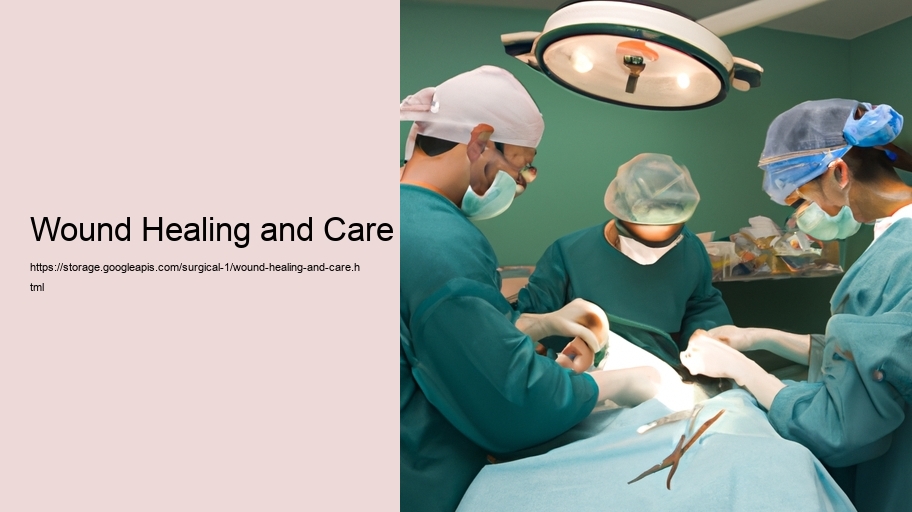
Phases of Wound Healing
Phases of Wound Healing: A Delicate Symphony of Repair
Wound healing is a complex and dynamic process that restores the integrity of damaged tissue. It is a fundamental response to injury that involves a coordinated sequence of biological processes. This intricate phenomenon can be divided into four distinct but overlapping phases: hemostasis, inflammation, proliferation, and remodeling. Each phase plays a crucial role in ensuring that a wound heals properly, minimizing the risk of infection and scarring.
The initial phase of wound healing, hemostasis, occurs immediately after an injury. The body's primary concern is to stop the bleeding, which it achieves through the constriction of blood vessels and the formation of a clot. Platelets aggregate at the site of the injury, releasing chemicals that help in vasoconstriction and the formation of a fibrin mesh, which serves as a temporary barrier to prevent further blood loss. This phase sets the stage for the subsequent steps in the healing process.
Following hemostasis, the inflammatory phase begins, typically lasting from two to five days. This phase is characterized by the classic signs of inflammation: redness, heat, swelling, and pain. White blood cells, primarily neutrophils, rush to the wound site to combat potential infection by phagocytizing debris and bacteria. Macrophages follow, continuing the cleanup process and secreting growth factors and cytokines that are essential for the healing process. While inflammation is crucial for preventing infection, excessive or prolonged inflammation can impede healing and lead to chronic wounds.
The proliferation phase, also known as the regenerative or reparative phase, overlaps with inflammation and can last for several weeks. During this stage, the focus shifts to covering the wound and restoring tissue integrity. Fibroblasts play a central role in this phase, producing collagen and extracellular matrix, which form the foundation of new tissue, known as granulation tissue. Blood vessels re-form through a process called angiogenesis, ensuring that the healing tissue receives an adequate supply of nutrients and oxygen. Additionally, epithelial cells migrate across the wound bed to close the wound surface.
The final phase of wound healing is remodeling, which can persist for a year or more after the injury. During this phase, the wound undergoes maturation and strengthening. The collagen deposited in the proliferation phase is reorganized, and the extracellular matrix is remodeled to enhance tensile strength. The new tissue gradually assumes the characteristics of the surrounding tissue, although it often remains less elastic and has a different pigmentation, resulting in a scar.
The phases of wound healing are a testament to the body's remarkable ability to repair itself. However, this process can be influenced by various factors including the individual's age, nutrition, comorbidities, and the nature of the wound. Understanding the phases of wound healing is crucial for clinicians and caregivers to provide appropriate wound care and interventions, thereby promoting efficient healing and reducing the risk of complications. It is a delicate symphony of repair that underscores the resilience and complexity of the human body.
Factors Affecting Wound Healing
Title: Factors Affecting Wound Healing
Wound healing is a complex and dynamic process that involves a series of interactions between different cell types, extracellular matrix components, and soluble factors. It is a crucial aspect of maintaining the body's integrity; however, its efficiency can be influenced by a multitude of factors. Understanding these factors is essential for effective wound care and management. This essay will explore the various factors that can affect wound healing, categorized into local and systemic factors.
Local Factors:
Infection: The presence of bacteria or other microorganisms in a wound can significantly delay healing. Infection triggers an inflammatory response, prolonging this phase and impeding the progression to the next stages of healing.
Tissue Perfusion and Oxygenation: Adequate blood flow is essential to deliver oxygen and nutrients to the wound site. Any condition that impairs circulation, such as peripheral artery disease, can hinder the healing process.
Foreign Bodies: Materials such as dirt, glass, or even fragments of clothing can interfere with wound healing. Their presence can provoke a persistent inflammatory reaction and prevent tissue from properly reforming.
Wound Desiccation: Keeping a wound moist is crucial for the migration of cells across the wound bed. Excessive dryness can cause the cells to dehydrate and die, thus impeding healing.
Mechanical Stress: Repeated trauma or pressure on the wound area can disrupt the healing tissue and lead to the formation of chronic wounds.
Systemic Factors:
Age: Aging can slow down the healing process due to a decrease in skin elasticity, reduced collagen production, and diminished inflammatory response.
Nutrition: Good nutrition provides the building blocks for repair. Deficiencies in proteins, vitamins (such as vitamin C and vitamin A), and minerals (like zinc) can impair cellular function and wound healing.
Immune System Function: Conditions that suppress the immune system, such as HIV/AIDS or chemotherapy for cancer, can delay wound healing and increase the risk of infection.
Chronic Diseases: Diseases like diabetes mellitus can alter wound healing. High blood sugar levels can damage blood vessels, impairing circulation and the normal healing response.
Medications: Certain medications, including steroids and nonsteroidal anti-inflammatory drugs, can interfere with the body's ability to heal wounds.
Hormones: Hormonal imbalances, such as those found in thyroid disorders, can also affect the wound healing process.
Lifestyle Factors: Smoking and alcohol consumption can both hinder wound healing. Smoking decreases tissue oxygenation, while excessive alcohol intake can suppress the immune response.
Psychological Stress: Chronic stress can impact the immune system and has been shown to slow down the healing process.
In conclusion, wound healing is influenced by a myriad of factors that can either facilitate or impede the body's ability to repair itself after injury. Health care professionals must consider these factors when assessing a wound and formulating a treatment plan. By addressing these elements, be it through improving nutrition, managing chronic diseases, or selecting appropriate wound care techniques, the healing process can be optimized, leading to better patient outcomes and quality of life.
Types of Wounds and Their Specific Care
Wound healing and care is a critical aspect of healthcare that involves the proper treatment and management of various types of wounds to prevent infection and promote healing. Understanding the different types of wounds and their specific care requirements is essential for effective healing and recovery. In this essay, we will explore the common types of wounds and discuss how they should be cared for.
Firstly, there are acute wounds, which occur suddenly as a result of an injury. They typically have a predictable healing process and include incisions, lacerations, punctures, and abrasions.
Incisions are clean cuts caused by sharp objects like knives or surgical instruments. The care for incisions involves keeping the wound clean, dry, and protected with sterile dressings. Sutures or staples may be used to close the wound, and it is essential to monitor for signs of infection.
Lacerations are jagged, irregular cuts often caused by accidents with sharp or blunt objects. These wounds require thorough cleaning to remove debris and bacteria. Depending on the depth, they might need to be closed with sutures, staples, or adhesive strips.
Puncture wounds, caused by objects such as nails or needles, are typically small but can be deep, increasing the risk of infection. Careful cleaning and monitoring for foreign objects or signs of infection is important, as puncture wounds may not always be closed due to the risk of sealing in bacteria.
Abrasions, or superficial scrapes, are caused by friction against a rough surface. The wound care involves cleaning to remove debris and applying an antibiotic ointment and a bandage to protect the area while it heals.
Secondly, chronic wounds are those that do not follow the normal stages of healing. These include pressure ulcers, diabetic ulcers, and venous ulcers.
Pressure ulcers, also known as bedsores, result from prolonged pressure on the skin. They are common in bedridden patients. Care involves regular repositioning, special mattresses or cushions to relieve pressure, and keeping the wound clean and dressed.
Diabetic ulcers usually occur on the feet and can be challenging to heal due to poor circulation and neuropathy. Careful management includes controlling blood sugar levels, debridement (removal of dead tissue), infection control, and possibly using advanced treatments like wound vacuums or hyperbaric oxygen therapy.
Venous ulcers are caused by poor blood circulation in the legs and can be recurrent. Compression therapy is often used to improve circulation, along with wound cleaning, dressing changes, and sometimes medication to promote healing.
Thirdly, there are burns, which are injuries to the skin caused by heat, chemicals, electricity, or radiation. Burns are categorized into first, second, and third degrees, depending on their severity.
First-degree burns affect only the outer layer of skin and usually heal with home care, including cool compresses and aloe vera gel or moisturizers.
Second-degree burns involve the outer and underlying layers of skin. They require more advanced care, such as applying antibiotic cream and using non-stick dressings to prevent infection and promote healing.
Third-degree burns penetrate the full thickness of the skin and may affect underlying tissues. These serious burns require immediate medical attention and often surgical intervention, like skin grafting, along with specialized wound care in a burn center.
Finally, we have traumatic wounds, such as those resulting from accidents or violent encounters. Management of these wounds depends on their nature and severity. The initial care involves controlling bleeding, cleaning,
Infection Control and Wound Healing
Infection control and wound healing are two critical components in the management of wounds and are essential for ensuring optimal recovery and minimizing complications. Wound healing is a complex process that occurs in the body as it attempts to repair damage from injuries such as cuts, burns, surgical incisions, or chronic wounds like pressure ulcers or diabetic foot ulcers. This process is generally categorized into four distinct but overlapping phases: hemostasis, inflammation, proliferation, and remodeling.
Hemostasis occurs immediately after an injury and involves blood clotting to stop bleeding. Inflammation follows as the body's immune system responds to clean the wound of debris and bacteria. During the proliferation phase, new tissue and blood vessels are formed, and finally, during remodeling, the wound matures and gains strength.
Infection control plays a pivotal role throughout all stages of wound healing. A wound infection can disrupt the delicate balance of the healing process and can result in prolonged inflammation, delayed healing, or even systemic illness. Therefore, maintaining a clean environment, using sterile techniques when handling wounds, and employing appropriate use of antimicrobials are all crucial measures to prevent wound infections.
The first step in infection control is proper wound assessment and cleansing. Wounds should be regularly cleaned with appropriate solutions to remove any foreign material or exudate that could harbor bacteria. The use of antiseptics can also be beneficial in reducing microbial load on the wound surface.
Dressing selection is another essential aspect of infection control. The ideal dressing should maintain a moist healing environment, absorb excess exudate, provide thermal insulation, and protect the wound from external contamination. Advanced wound dressings, such as those with silver or honey, can offer additional antimicrobial properties.
Antibiotics play a role in infection control when signs of a wound infection are present, such as increased pain, redness, swelling, heat, and foul odor. However, their use should be judicious and based on clinical evidence to avoid the development of antibiotic-resistant bacteria.
Healthcare professionals must also adhere to strict hand hygiene protocols and use personal protective equipment (PPE) to prevent cross-contamination between patients. This is particularly important in healthcare settings where multiple patients may have open wounds.
Patient education is another critical component of infection control. Patients should be informed about the signs of infection and the importance of following their wound care regimen. They should also be encouraged to maintain a healthy lifestyle, including proper nutrition and smoking cessation, as these factors can significantly affect wound healing outcomes.
In summary, infection control and wound healing are inextricably linked, with the prevention of infection being a critical factor in promoting efficient and effective wound healing. Through meticulous wound care practices, proper use of antimicrobials, and patient education, healthcare providers can significantly improve wound healing outcomes and reduce the risk of complications associated with wound infections.
Dressings and Wound Care Products
Dressings and wound care products are essential components in the process of wound healing and care. From minor scrapes and burns to post-surgical incisions and chronic ulcers, the right dressing can significantly influence the healing process.
Wound dressings come in various forms, each designed to cater to different types of wounds and their unique healing stages. Traditional dressings, such as gauze and bandages, are commonly used for their simplicity and cost-effectiveness. They are particularly useful for minor wounds that require only basic protection and absorption. However, these dressings may need frequent changes and can sometimes stick to the wound, causing pain and potential damage during removal.
With advancements in medical technology, a wide range of modern dressings has emerged, offering improved healing environments and features. For instance, hydrocolloid dressings are designed to form a gel when in contact with wound exudate, maintaining a moist healing environment that promotes tissue regeneration. This type of dressing is also occlusive, which helps protect the wound from bacterial contamination and external fluids.
Another example is foam dressings, which are highly absorbent and provide cushioning to the wound site, making them an ideal choice for wounds with moderate to heavy exudation. They also help maintain a moist healing environment without adhering to the wound bed, reducing the risk of damage during dressing changes.
Alginate dressings, derived from seaweed, are particularly beneficial for wounds with significant amounts of exudate. They can absorb excess fluid, form a gel-like covering over the wound, and support debridement, which is the removal of dead or infected tissue to promote healing.
Hydrogel dressings are composed of water-based gels that hydrate the wound bed, which can aid in the debridement process and provide relief from pain. These dressings are excellent for dry wounds or wounds with necrotic tissue, as they help to maintain a moist wound environment that is conducive to healing.
Silver dressings contain antimicrobial agents that can help control wound bioburden and reduce the risk of infection. This is particularly important for patients with compromised immune systems or for wounds that are at high risk of infection.
Beyond dressings, other wound care products play a crucial role in the healing process. Cleansers and antiseptics are used to clean the wound site, reducing the risk of infection. Topical antibiotics can be applied to prevent or treat wound infections. In more advanced wound care, negative pressure wound therapy devices can help promote healing by applying sub-atmospheric pressure to the wound, which helps reduce edema, increase blood flow, and promote the formation of granulation tissue.
It is important to note that wound healing is a complex process that depends on numerous factors, including the type of wound, the patient's overall health, and the presence of any underlying conditions, such as diabetes or vascular disease. Therefore, selecting the appropriate dressing and wound care products is a critical decision that should be made by healthcare professionals based on a thorough assessment of the wound and the patient's needs.
In conclusion, dressings and wound care products are vital in the healing process, providing protection, promoting optimal healing conditions, and preventing infection. The evolution of these products continues to enhance our ability to care for a variety of wound types effectively, ultimately improving patient outcomes and quality of life.
Pain Management in Wound Care
Pain Management in Wound Care: A Crucial Aspect of Wound Healing and Care
The journey of healing from a wound, be it a minor cut or a significant surgical incision, involves not just the physical mending of tissue but also the management of the pain that inevitably comes with it. Pain management in wound care is a critical component of the overall treatment plan, as it not only provides comfort to the patient but also facilitates the healing process.
Pain can arise from various sources in a wound. The initial injury itself, the inflammation that follows, infection, or even the dressing changes can all contribute to discomfort. Unmanaged pain can have detrimental effects on the body, causing increased stress, which can lead to elevated blood pressure, heart rate, and poor oxygenation, all of which can impede the healing process. Furthermore, pain can lead to a psychological burden, affecting the patient's mood, sleep, and overall quality of life.
Effective pain management begins with a proper assessment. Clinicians must regularly evaluate the patient's pain using appropriate scales and personal reports to tailor the pain relief strategy to the individual's needs. The type of wound, its location, the stage of healing, and the patient's overall health and pain tolerance are all considered.
Pain management strategies encompass pharmacological and non-pharmacological approaches. Pharmacological interventions may include topical analgesics, which are applied directly to the wound site, systemic medications like nonsteroidal anti-inflammatory drugs (NSAIDs), acetaminophen, or, in more severe cases, opioids. The use of these medications must be carefully balanced to provide relief while minimizing side effects and the risk of dependency.
Non-pharmacological methods are equally important and can be used in conjunction with medication. Techniques such as proper wound care and dressing selection can minimize irritation and pain during dressing changes. For instance, using non-adherent dressings or silicone-based products can reduce trauma to the wound and surrounding skin.
Furthermore, psychological support plays a key role in pain management. Stress reduction techniques, such as deep breathing, guided imagery, or even distraction tactics like listening to music or watching television, can help alleviate pain by diverting the patient's focus away from the wound.
Education is another crucial element. Informing patients about what to expect during the healing process and how to manage their pain at home empowers them to be active participants in their care, leading to better outcomes.
Moreover, the integration of complementary and alternative therapies has shown promise in pain management for wound care. Therapies such as acupuncture, massage, and cold laser therapy may provide additional relief and enhance the patient's comfort level.
In conclusion, pain management is an indispensable part of wound care that requires a comprehensive and personalized approach. By effectively managing pain, healthcare providers can not only improve the patient's comfort but also facilitate a more rapid and complication-free healing process. As the field of wound care continues to evolve, so too will the strategies for managing pain, aiming to ensure that patients receive the most compassionate and effective care possible.
Patient Education and Self-Care for Wounds
Patient education and self-care are critical components in the process of wound healing and care. When a person sustains a wound, it is not only the responsibility of healthcare providers to ensure proper healing, but also of the patients themselves to understand and participate actively in their care. This involvement can significantly affect the wound healing rate and prevent complications such as infections or chronic wounds.
Education on wound healing begins with understanding the body's natural process to repair the damage. The healing process comprises four main phases: hemostasis, inflammation, proliferation, and maturation. Educating patients about these phases can help them recognize the signs of normal healing versus symptoms that may indicate a problem.
One of the first steps in patient education is to teach proper wound cleansing techniques. Cleanliness is paramount to prevent infection. Patients should be instructed on how to gently clean their wounds with appropriate solutions, and the importance of hand hygiene before and after touching the wound.
Another important aspect is the education on wound dressings. Patients need to know the types of dressings available, their specific uses, and how to apply and change them correctly. For example, some dressings are designed to keep the wound moist, which can speed up healing, while others are more absorbent and suitable for wounds with high exudate.
Nutrition also plays a vital role in wound healing. Patients should be informed about the importance of a balanced diet rich in protein, vitamins, and minerals, which are essential for tissue repair. Hydration is equally important, as water is necessary for all cell functions, including those involved in healing.
Self-care involves recognizing signs of infection, such as increased pain, redness, swelling, or an unpleasant odor. Patients should be aware that if they notice any of these signs, they need to seek medical advice immediately. They should also understand the importance of keeping up with follow-up appointments with their healthcare provider to monitor the wound's progression.
For chronic wounds, like diabetic ulcers or pressure sores, patient education includes understanding the underlying causes and implementing lifestyle changes to prevent recurrence. For example, diabetic patients should be educated on proper foot care and the need for regular inspection of their feet to prevent ulcers.
Pain management is also a part of patient education. Patients should be informed about the expected levels of pain and the options for managing it, including medication, elevation of the injured area, and rest.
Lastly, patients should be encouraged to stay active as appropriate for their condition, as movement can promote circulation and enhance healing. However, they should also be made aware of the need to avoid activities that might put undue stress on the healing wound.
In conclusion, effective patient education and engagement in self-care are vital for optimal wound healing and care. By understanding the healing process, proper wound care techniques, the importance of nutrition and hydration, recognizing signs of infection, managing pain, and maintaining an appropriate level of activity, patients can play an active role in their recovery and improve their overall outcomes. Empowering patients with knowledge and self-care skills not only fosters a better healing environment but also promotes a sense of autonomy and confidence in managing their health.