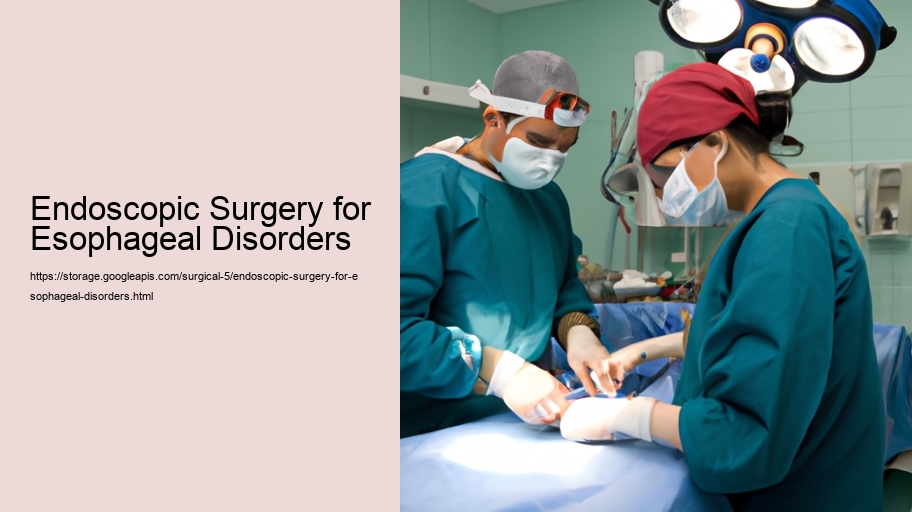
Types of Esophageal Disorders Treated with Endoscopic Surgery
Endoscopic surgery for esophageal disorders is a minimally invasive approach that has revolutionized the management of a variety of conditions affecting the esophagus. This technique involves the use of an endoscope, a flexible tube with a camera and light attached, which allows the surgeon to visualize and operate on the esophageal tissue without making large incisions. Here, we will delve into the types of esophageal disorders that are commonly treated with this cutting-edge surgical method.
The first category includes structural abnormalities, such as esophageal strictures and rings. Strictures are narrowings of the esophagus that can cause swallowing difficulties, and they may result from chronic acid reflux (GERD), radiation therapy, or the ingestion of caustic substances. Endoscopic dilation is a procedure in which balloons or dilators are used to stretch and widen the narrowed area, providing relief from symptoms.
Esophageal rings, which are thin layers of tissue causing a constriction, can also be treated endoscopically. Through the endoscope, the rings can be divided or dilated, allowing for better passage of food and liquids.
Another group of disorders that benefit from endoscopic surgery are motility problems, like achalasia. Achalasia is a condition where the esophageal muscles fail to relax properly, making it difficult for food to pass into the stomach. An endoscopic procedure known as peroral endoscopic myotomy (POEM) involves cutting the muscle at the end of the esophagus to improve swallowing.
Endoscopic surgery also plays a significant role in the management of esophageal cancer. Early-stage tumors can often be resected endoscopically in a procedure called endoscopic mucosal resection (EMR) or endoscopic submucosal dissection (ESD). These techniques involve removing the cancerous tissue layer by layer, preserving the rest of the esophagus. For patients with precancerous conditions, such as Barrett's esophagus, endoscopic eradication therapies like radiofrequency ablation (RFA) can be used to destroy the abnormal cells before they progress to cancer.
Gastroesophageal reflux disease (GERD) is another disorder treatable with endoscopic techniques. While many patients find relief through medication or lifestyle changes, some may benefit from endoscopic therapies like the Stretta procedure, which uses radiofrequency energy to tighten the esophageal sphincter, or transoral incisionless fundoplication (TIF), which reconstructs the valve between the esophagus and stomach.
Foreign body removal is another area where endoscopic surgery shines. Objects accidentally swallowed can become lodged in the esophagus, posing a significant health risk. Endoscopic retrieval allows for the safe removal of these foreign bodies without the need for traditional surgery.
Lastly, esophageal varices, which are swollen veins in the esophagus that can bleed dangerously, are also treatable with endoscopic techniques. Banding or sclerotherapy are endoscopic procedures that can help control the bleeding and reduce the risk of future hemorrhages.
In conclusion, endoscopic surgery offers a versatile and less invasive alternative for treating a wide spectrum of esophageal disorders. From structural issues and motility problems to precancerous conditions and cancer, this approach minimizes patient discomfort, reduces recovery time, and provides highly effective treatment options, improving the quality of life for countless individuals suffering from esophageal conditions.
Preoperative Assessment and Patient Selection
Endoscopic surgery for esophageal disorders represents a significant advancement in the treatment of various esophageal conditions, ranging from benign diseases such as achalasia and gastroesophageal reflux disease (GERD) to premalignant conditions like Barrett's esophagus and early-stage esophageal cancer. As with any surgical intervention, the success of endoscopic procedures is heavily reliant on meticulous preoperative assessment and careful patient selection.
Preoperative assessment for endoscopic esophageal surgery is a multifaceted process that aims to evaluate the patient's overall health, the anatomical specifics of the esophageal disorder, and the potential risks and benefits of the procedure. The assessment typically begins with a comprehensive history and physical examination. The patient's medical history can reveal underlying conditions that may influence both the decision to operate and the choice of surgical technique. Disorders like scleroderma or severe pulmonary disease can impact esophageal motility and respiratory function, respectively, which are critical considerations for endoscopic surgery.
Diagnostic testing plays a pivotal role in the preoperative assessment. Endoscopy allows direct visualization of the esophagus and is essential for assessing the mucosal surface and identifying conditions like esophagitis, strictures, or tumors. Biopsies can be taken during endoscopy to rule out or confirm malignancy. For functional disorders like achalasia, esophageal manometry is indispensable for assessing esophageal motility. Barium swallow studies can offer valuable insights into esophageal morphology and function. Additionally, pH monitoring may be required for patients with GERD to quantify acid reflux.
Imaging studies, including computed tomography (CT) scans and magnetic resonance imaging (MRI), can provide detailed information on the extent of disease and are particularly important in the staging of esophageal cancer. Pulmonary function tests might be warranted to assess respiratory reserve, especially in patients with conditions like chronic obstructive pulmonary disease (COPD) or a history of smoking, which can impact surgical outcomes.
Patient selection is equally critical. Not all patients with esophageal disorders are suitable candidates for endoscopic surgery. Factors such as the stage and location of a tumor, the presence of extensive scar tissue from prior surgeries, or the severity of esophageal dysfunction can influence the decision-making process. The patient's overall health, including their ability to tolerate anesthesia and their potential for recovery and rehabilitation, must be considered.
Moreover, patient preference and expectation must be taken into account. Endoscopic surgery may offer quicker recovery times and less postoperative pain compared to open surgery, but it may not be appropriate for all esophageal pathologies. The potential benefits must be weighed against the risks, and these should be discussed with the patient in a shared decision-making process.
In summary, preoperative assessment and patient selection are critical components in the successful management of esophageal disorders through endoscopic surgery. A thorough evaluation not only optimizes surgical outcomes but also minimizes complications, ensuring that patients receive the most appropriate and effective treatment for their condition. As technology and techniques continue to evolve, so too will the criteria and methods for patient assessment, further refining the art and science of patient selection for endoscopic esophageal surgery.
Overview of Endoscopic Surgical Techniques
Endoscopic surgery for esophageal disorders represents a significant advancement in the realm of minimally invasive procedures, offering patients a less traumatic alternative to traditional open surgeries. This technique leverages the use of an endoscope – a flexible tube equipped with a light and camera – allowing surgeons to visualize and operate on the esophagus through small incisions or natural body openings, such as the mouth.
Esophageal disorders that can be treated endoscopically include esophageal cancer, gastroesophageal reflux disease (GERD), Barrett's esophagus, esophageal varices, achalasia, and esophageal strictures. The overarching aim of these procedures is to restore normal function, alleviate symptoms, and, in some cases, perform curative treatments with minimized postoperative discomfort and hastened recovery times.
One of the pivotal endoscopic techniques for esophageal disorders is Endoscopic Mucosal Resection (EMR). EMR is primarily used to remove precancerous lesions and early-stage cancers from the esophagus. It involves lifting the affected mucosa and excising it from the submucosa, thus eliminating the diseased tissue while leaving the rest of the esophagus intact.
Another technique, Endoscopic Submucosal Dissection (ESD), is a more advanced procedure that allows for the removal of larger or deeper lesions that cannot be resected by EMR. ESD requires a higher degree of technical skill as it involves dissecting along the submucosal layer to excise the lesion in one piece, providing a better specimen for pathological assessment and reducing the risk of recurrence.
For benign conditions like achalasia, a disorder that affects the esophagus's ability to move food toward the stomach, an endoscopic approach known as Peroral Endoscopic Myotomy (POEM) can be utilized. This innovative technique involves creating a tunnel in the submucosal layer of the esophagus and performing a myotomy - cutting the muscle - to alleviate the dysphagia (difficulty swallowing) associated with the condition.
In cases of esophageal varices, which are swollen veins in the esophagus that can bleed heavily, endoscopic band ligation is often the preferred treatment. This procedure involves using an endoscope to place rubber bands around the base of the varices, effectively cutting off their blood supply and causing them to shrink.
Another common disorder, GERD, can be treated with endoscopic techniques such as the Stretta procedure, which delivers radiofrequency energy to the muscle at the junction of the esophagus and the stomach, thereby strengthening the area and reducing reflux. Additionally, Transoral Incisionless Fundoplication (TIF) is an endoscopic treatment that reconstructs the valve between the esophagus and stomach, offering an incisionless alternative to traditional surgical fundoplication.
Endoscopic surgery for esophageal disorders requires a multidisciplinary approach involving gastroenterologists, surgeons, anesthesiologists, and radiologists. This collaborative effort ensures that patients receive comprehensive care tailored to their specific needs. The advancements in endoscopic technology continue to push the boundaries of what is possible in the treatment of esophageal disorders, offering safer options, quicker recoveries, and improved outcomes for patients.
Postoperative Care and Management
Postoperative care and management are critical components of the recovery process following endoscopic surgery for esophageal disorders. Endoscopic surgery, as a less invasive procedure compared to open surgery, offers the advantages of reduced pain, shorter hospital stays, and quicker return to normal activities. Despite these benefits, meticulous postoperative care is essential to ensure optimal outcomes and minimize complications.
After endoscopic surgery for conditions such as achalasia, esophageal cancer, or gastroesophageal reflux disease (GERD), patients are usually closely monitored in a recovery area. Vital signs are regularly checked, and pain is managed with appropriate medications. As the esophagus plays a key role in swallowing, one of the main concerns postoperatively is ensuring that the patient can tolerate oral intake without complications.
In the immediate postoperative period, patients may be restricted to a liquid diet to allow the esophagus to heal. Gradually, the diet is advanced to soft foods, and eventually, normal eating patterns are resumed. It's crucial for patients to follow the dietary guidelines provided by their healthcare providers to prevent any undue stress on the healing esophagus.
Pain management is another key aspect of postoperative care. Although endoscopic procedures typically result in less pain than open surgeries, patients may still experience discomfort. Pain control is usually achieved with oral analgesics, and patients are encouraged to take the medication as prescribed to stay ahead of the pain.
Patients should be advised to avoid heavy lifting or strenuous activities for a period recommended by the surgeon, usually a few weeks, to prevent any undue pressure on the surgical site. Follow-up appointments are essential to monitor the progress of healing, assess for any complications, and ensure that the underlying esophageal disorder is being effectively managed.
Respiratory care is also important, as some patients may experience shallow breathing due to discomfort, increasing the risk of lung complications such as pneumonia. Patients are often encouraged to perform deep breathing exercises or use incentive spirometry to keep their lungs clear.
One possible complication following endoscopic surgery for esophageal disorders is the risk of infection. Signs of infection include fever, increased pain, redness, or discharge at the incision site. Should any of these symptoms arise, patients are advised to contact their healthcare provider immediately.
For surgeries addressing GERD, patients may need to continue taking medications to reduce stomach acid and are advised to maintain a healthy weight, avoid smoking, and refrain from eating foods that trigger reflux. For those who have undergone procedures for esophageal cancer, additional treatments like chemotherapy or radiation may be necessary.
In summary, postoperative care and management following endoscopic surgery for esophageal disorders focus on pain management, dietary progression, activity modification, respiratory exercises, infection prevention, and continuous monitoring of the patient's overall condition. Adherence to these care guidelines can greatly enhance the recovery process and contribute to the long-term success of the surgery.
Outcomes and Effectiveness of Endoscopic Surgery for Esophageal Disorders
Outcomes and Effectiveness of Endoscopic Surgery for Esophageal Disorders
The advent of endoscopic surgery has marked a significant evolution in the treatment of esophageal disorders. This minimally invasive approach has transformed the management of diseases like gastroesophageal reflux disease (GERD), esophageal cancer, achalasia, and other structural abnormalities like esophageal strictures and diverticula.
Endoscopic surgery, compared to traditional open surgery, typically results in reduced postoperative pain, shorter hospital stays, quicker return to normal activities, and less scarring. These advantages contribute to its rising popularity among both physicians and patients.
The outcomes of endoscopic surgery for esophageal disorders can be quite favorable, with many studies reporting high success rates. For example, in the treatment of GERD, procedures such as endoscopic fundoplication have shown to effectively reduce symptoms and improve quality of life. These techniques involve reinforcing the valve mechanism at the junction of the esophagus and the stomach, preventing the backflow of stomach contents that causes acid reflux.
When it comes to esophageal cancer, endoscopic resection can be a curative treatment option for early-stage tumors that have not invaded beyond the superficial layers of the esophageal wall. This procedure allows for the targeted removal of cancerous tissue while preserving the rest of the esophagus, offering an organ-sparing alternative to more extensive surgeries.
For patients with achalasia, a condition that prevents the esophagus from moving food into the stomach properly, endoscopic surgery such as peroral endoscopic myotomy (POEM) has been a game-changer. POEM involves cutting the muscle layers that are responsible for the abnormal contractions, thereby improving swallowing and reducing chest pain and regurgitation associated with achalasia.
Despite the promising outcomes, the effectiveness of endoscopic surgery is not without its challenges. It requires a high level of technical skill and training, and there is a learning curve associated with mastering these procedures. Complication rates are typically low, but they can include bleeding, perforation, and infection, underscoring the need for experienced practitioners and careful patient selection.
Moreover, long-term effectiveness and the potential need for repeat procedures are areas of ongoing study. For instance, in the context of GERD, some patients may eventually require additional interventions if symptoms recur or if the original procedure was not fully successful.
In conclusion, endoscopic surgery for esophageal disorders offers many benefits in terms of reduced invasiveness and improved recovery times. The outcomes are generally positive with high success rates in symptom control and disease management. As technology and techniques continue to advance, these procedures are likely to become even more effective and widely adopted, offering hope for better quality of life for patients with esophageal conditions. Nevertheless, the need for meticulous technique and careful patient follow-up remains critical to ensure the long-term success of these innovative treatments.
Potential Complications and Risks of Endoscopic Esophageal Surgery
Endoscopic esophageal surgery is a minimally invasive procedure used to diagnose and treat disorders of the esophagus. While this technique offers numerous benefits such as reduced recovery time, less pain, and smaller incisions compared to traditional open surgery, it is not without potential complications and risks. It is important for patients to be aware of these risks before undergoing the procedure.
One of the primary risks associated with endoscopic esophageal surgery is the possibility of perforation or tearing of the esophageal wall. Although rare, this serious complication can result in infection or even spillage of esophageal contents into the chest cavity, leading to a condition known as mediastinitis, which can be life-threatening if not promptly managed.
Another potential risk is bleeding. As with any surgical procedure, there is a chance of encountering a blood vessel that can lead to bleeding. Although significant bleeding is uncommon in endoscopic procedures, it can require additional interventions to control, including potential blood transfusions or additional surgical procedures.
Infection is also a concern with endoscopic esophageal surgery. Despite the sterile techniques employed, any time an instrument is inserted into the body, there is a risk of introducing bacteria that can lead to infection. Infections can range from mild to severe and may necessitate the use of antibiotics or additional surgical procedures to address the issue.
Patients may experience adverse reactions to anesthesia, which is necessary for endoscopic esophageal surgery. Although modern anesthetics are generally safe, individual reactions can vary, and some patients may experience complications ranging from minor issues like nausea and vomiting to more severe problems such as respiratory difficulties or allergic reactions.
Strictures, or the narrowing of the esophagus, can occur as a result of the healing process after surgery. This can lead to difficulties swallowing and may require further treatment, such as dilation, to alleviate the constriction.
Additionally, there is the possibility of damage to surrounding structures such as the trachea, nerves, or blood vessels. Such damage could result in various issues, including changes in voice, persistent cough, or difficulty breathing.
Lastly, the success of the procedure is not guaranteed. There is a risk that the surgery may not fully resolve the underlying esophageal disorder, and symptoms may persist or recur, necessitating further treatment or even additional surgery.
In conclusion, while endoscopic esophageal surgery has transformed the management of esophageal disorders and offers many advantages, it is not without risks. Patients should have a detailed discussion with their surgeon regarding these potential complications and weigh them against the benefits of the procedure to make an informed decision about their care. As with all medical procedures, the expertise of the surgical team and the specific condition being treated play critical roles in minimizing these risks and achieving a successful outcome.
Future Directions and Technological Advancements in Endoscopic Esophageal Procedures
Endoscopic esophageal procedures have revolutionized the management of esophageal disorders, offering less invasive options with reduced recovery times and fewer complications compared to traditional surgery. As we look ahead, the future directions and technological advancements in this field are poised to further enhance patient outcomes, refine surgical techniques, and expand the scope of treatable conditions.
One of the most exciting developments in the realm of endoscopic esophageal procedures is the advent of robotics. Robotic systems, such as the da Vinci Surgical System, have already made a significant impact on surgery by providing surgeons with enhanced precision, stability, and control. In the future, these robotic platforms are expected to become more integrated into endoscopic esophageal surgery, potentially allowing for even more complex procedures to be performed with greater accuracy and fewer complications.
Another area of anticipated advancement is in imaging and diagnostics. High-resolution endoscopy and narrow-band imaging are already providing clearer and more detailed views of the esophagus, enabling earlier and more accurate detection of conditions such as Barrett's esophagus and early-stage esophageal cancer. In the future, we may see the integration of artificial intelligence and machine learning algorithms to assist in real-time diagnosis during endoscopic procedures, further improving the efficacy of endoscopic surveillance and therapeutic interventions.
Customization and personalization of endoscopic devices are also likely to advance. As we gain a better understanding of the anatomical and physiological differences between patients, endoscopic tools can be tailored to fit individual patient needs, thus improving the safety and effectiveness of procedures. This could involve the development of adjustable stents, personalized biopsy tools, or even 3D-printed devices designed specifically for a patient's unique esophageal anatomy.
The use of endoscopic ultrasound (EUS) has already greatly improved the staging of esophageal cancer and the assessment of submucosal lesions. Looking ahead, we can expect even more sophisticated EUS tools, including higher resolution probes and innovative contrast agents that can provide more detailed images and functional information about esophageal tissues. This will be particularly impactful for the accurate staging of cancers and guiding minimally invasive interventions.
Therapeutic advancements are also on the horizon. Endoscopic mucosal resection (EMR) and endoscopic submucosal dissection (ESD) have become standard treatments for removing precancerous lesions and early-stage cancers without the need for open surgery. Future developments may include refinements in these techniques to reduce procedure times and enhance healing, as well as the introduction of new biodegradable materials for use in wound closure and esophageal reconstruction.
Furthermore, the integration of telemedicine in endoscopic esophageal procedures could allow for remote consultations and assistance during surgeries, potentially making expert care more accessible and reducing disparities in treatment outcomes. Advanced telecommunication technologies could enable experienced surgeons to guide less experienced colleagues through complex procedures from afar.
Finally, advancements in post-procedural care and monitoring are expected to improve patient outcomes. Wearable technology and remote monitoring devices could be used to track patients' recoveries in real-time, allowing for timely interventions if complications arise. This would be particularly beneficial for patients who live in remote areas or who have limited access to follow-up care.
In conclusion, the future of endoscopic esophageal procedures is bright, with numerous technological advancements on the horizon that promise to improve the precision, safety, and efficacy of treatments for esophageal disorders. From robotic assistance to personalized tools and improved diagnostics, these innovations will continue to