
Choosing between an orbital piercing and a conch piercing is a little like choosing between two great hairstyles. Both can look amazing. Both can feel like “that’s so me.” And both can change the whole vibe of an ear in a way that feels intentional and put together.
In Mississauga, ON, these two piercings are among the most requested cartilage styles right now. People are asking for them by name. They’re saving photos on Instagram. They’re building ear stacks around them. And they’re booking consultations because they want the placement, jewelry, and healing plan done right the first time.
The big question is simple: which one fits the client’s style better?
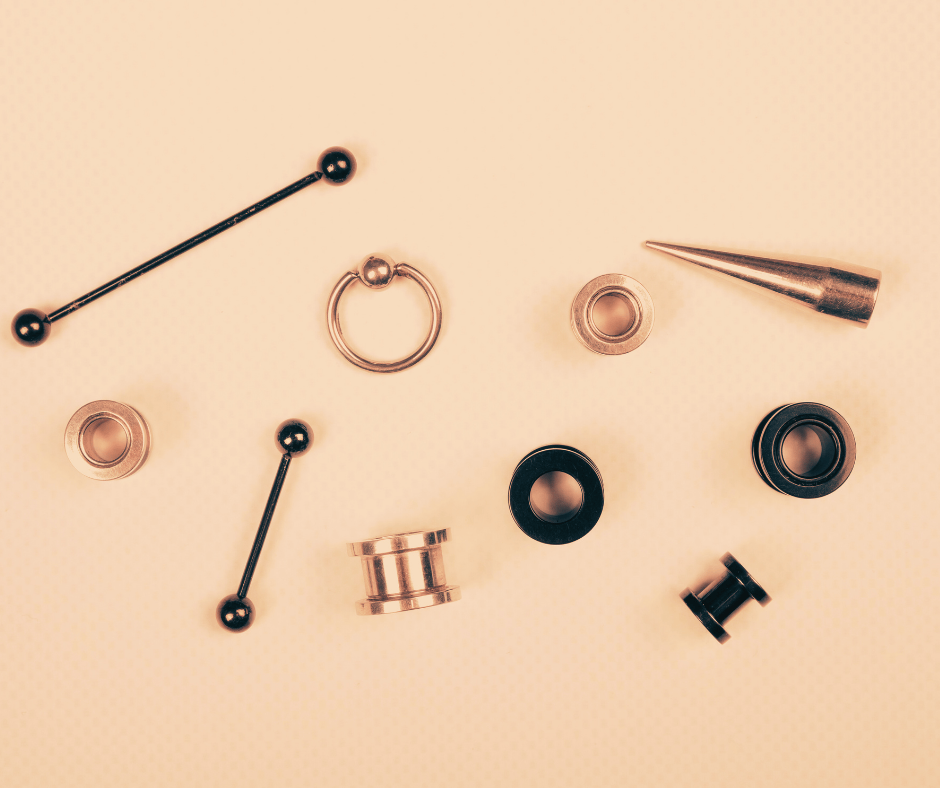
This article breaks it down in plain language. It covers how each piercing looks, how it feels, what it takes to heal, and what kind of jewelry works best. It also explains why orbital piercings require more precision than most people realize, and why choosing an experienced studio in Peel Region matters.
For anyone searching Orbital Ear Piercing Mississauga ON, this is the kind of clarity they’ve been looking for.
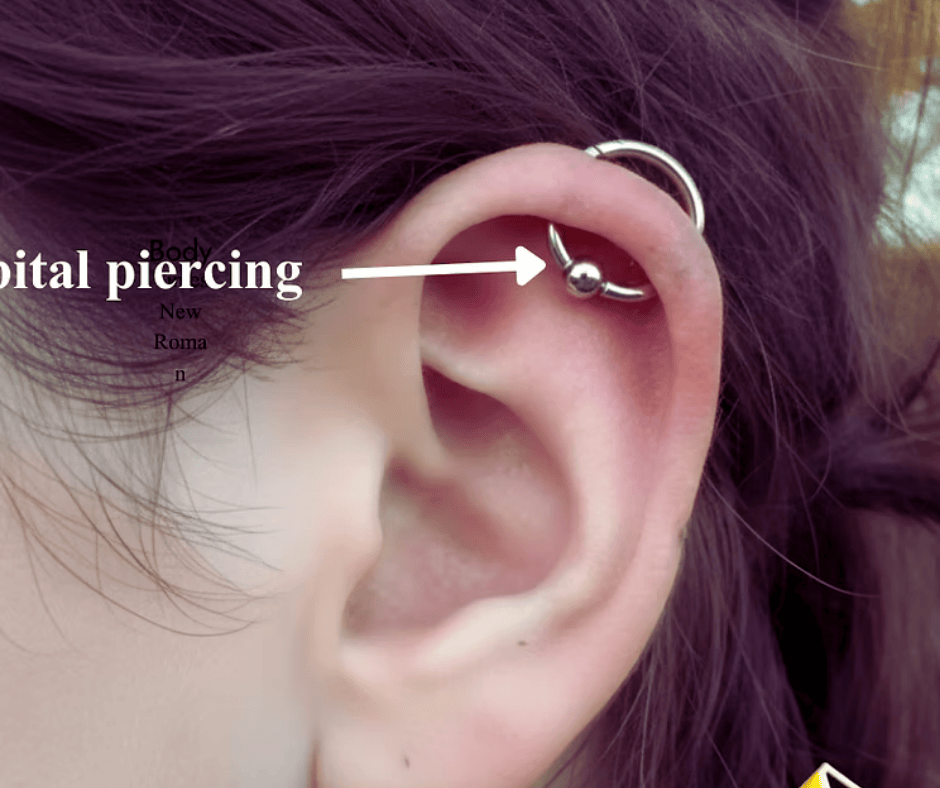
An orbital piercing is defined by two separate piercing holes connected by a single hoop. That hoop can be a seamless ring, clicker ring, or a captive bead ring (CBR). The key feature is the shared jewelry. It creates a linked look that feels clean, modern, and slightly edgy.
Orbital piercings can be done in different parts of the ear, depending on anatomy. The placement changes the whole look and also changes the healing experience.
This is why an orbital piercing isn’t the same as “two cartilage piercings.” The alignment has to be exact. If the two points are even slightly off, the ring can sit under tension. That tension can trigger migration, irritation bumps, and delayed healing.
At Xtremities Tattoo and Piercing in Mississauga, piercers evaluate ear anatomy first, then mark both points with a surgical skin marker to make sure the hoop sits naturally. This isn’t a piercing that should be rushed. It is a precision service and it should feel like one.
A conch piercing is a single cartilage piercing located in the inner bowl of the ear. It sits in a spot that can look sleek and minimal, or bold and statement-making, depending on jewelry choice.
A conch can be placed as an inner conch in the center bowl, or an outer conch closer to the outer edge of the ear. The placement depends on ear shape and the client’s style goals.
A conch can be worn with a stud or a hoop, depending on the healing stage. Many people love conch piercings because they’re versatile. It can look clean with a flat-back stud. Or it can look dramatic with a large hoop that wraps around the ear.
A conch piercing is still cartilage, so it isn’t “easy.” But it’s generally more straightforward than an orbital because it’s one channel instead of two.
This is where personal style really shows up.
An orbital piercing reads as intentional and styled. It looks like a design choice, not just a single piercing. The hoop connecting two points creates symmetry and flow. It often becomes the centerpiece of the ear. It’s also a look that stands out in photos. That’s one reason it has become popular with fashion-forward clients in Mississauga and across the GTA.
A conch piercing reads as sleek and confident. It’s a single focal point that can be dressed up or down. It’s popular with clients who want a statement without looking too busy. A conch can sit quietly in the ear and still look high-end, especially with a well-fitted stud and premium metal.
In Mississauga, clients often choose based on how they want their ear to wear in everyday life. Some want a clean office-friendly look. Others want a weekend statement. Both are valid. It’s about matching the piercing to the person.
Orbital tends to suit clients who love a curated ear, people who want something less common, and anyone who wants a bold hoop look that still feels refined. Conch tends to suit clients who want a clean minimal piercing, people who wear headphones often, and anyone who wants flexible styling options over time.
Neither is better. The best one is the one that fits the client’s daily routine and aesthetic.
Pain is personal. Still, there are patterns. The most helpful way to think about piercing pain is not as fear, but as information. When a client knows what to expect, the body relaxes. When the body relaxes, the piercing experience usually feels easier.
A conch piercing is one cartilage puncture. The pressure can feel deeper than a helix for many people because of the thickness of the area. Most clients describe it as sharp and intense for a moment, then it’s done.
An orbital piercing involves two piercings. That means two moments of pressure. On top of that, the piercer must line up both channels so the ring sits correctly. That precision can make the appointment feel longer, even if the actual piercing time is short.
In general, conch pain is usually moderate to high but brief. Orbital pain can feel higher because it’s two piercings in one session.
The bigger factor is often swelling. Cartilage swell can make the first few days feel sore. That’s why proper jewelry sizing matters. A ring that’s too tight will cause pressure. Pressure leads to irritation. Irritation leads to bumps.
Healing is where many people underestimate the difference. It is also where the right studio matters most. A good piercing is not just about the moment the needle goes through. It’s about how the piercing behaves for the next several months.
A conch piercing has one channel to heal. An orbital has two. That matters. Two channels means two sites that can swell, two sites that can get irritated, and two sites that must heal cleanly. This is why orbital piercings often need more patience.
Typical healing ranges are consistent across professional studios. A conch often takes 6 to 12 months. An orbital often takes 9 to 12 months or longer.
Some people heal faster. Some people take longer. Cold weather, sleeping habits, stress, and even hair products can affect healing. In Mississauga winters, hats and scarves can also bump the ear more than people expect. This small daily friction can slow healing if clients are not careful.
Orbital piercings can be slower because the hoop connects two points. If one side gets irritated, it can impact the other side too. This is why aftercare needs to be consistent and simple. It is also why it helps to choose a studio that provides clear instructions and checks jewelry fit early.
Jewelry choice is not just about style. It’s about safety and healing. A well-chosen piece of jewelry reduces pressure, supports swelling, and makes cleaning easier.
At Xtremities, professional piercers use single-use hollow needles rather than piercing guns. That matters because cartilage needs a clean puncture. Guns can cause blunt force trauma. That increases swelling and can lead to complications.
For orbital piercings, the most common jewelry options include captive bead rings, seamless hoops, and clicker rings. For conch piercings, many clients start with a flat-back stud (labret style) or a barbell. Hoops usually come later, after healing.
Material matters more than most people expect. For clients with sensitive skin, implant-grade metals reduce the risk of metal sensitivity and irritation.
High-quality choices include G23 titanium (ASTM F136 compliant), niobium, and solid 14k gold. Surgical steel is used in the industry, but sensitivity varies. Many experienced studios prefer titanium as the safer standard for first-time cartilage piercings.
Clients looking for a luxury finish can ask about brands like BVLA, Anatometal, Industrial Strength, or Maria Tash style aesthetics. These brands are known for high-quality body jewelry and clean finishing. Even without a luxury brand name, a properly fitted implant-grade titanium ring can still look stunning.
An orbital piercing is not “two piercings and a ring.” It’s a body modification that depends on anatomy. That is why this service stands apart from standard lobe piercings found in mass-market mall kiosks like Claire’s or Piercing Pagoda.
The piercer needs to confirm the ear has enough flat surface area, the cartilage shape allows a hoop to sit naturally, the angle of both points aligns without tension, and the jewelry size will allow swelling without pressure.
If those conditions aren’t met, the piercing can migrate. It can reject. Or it can develop hypertrophic scarring (piercing bumps). A good piercer will say no if the anatomy isn’t right. That’s a sign of professionalism, not refusal.
At Xtremities in Mississauga, the anatomy check is part of the service. It protects the client’s ear and protects the long-term result. This is especially important for clients who want a conch orbital ear piercing Mississauga ON, because the shape and depth of the ear bowl varies a lot from person to person.

A piercing can look perfect on Pinterest and still be wrong for someone’s real life. Lifestyle matters. Piercers see this every day. A client can love the look of a hoop, then realize they wear over-ear headphones eight hours a day. Another client can want a conch stud, then discover they sleep on that side every night.
For clients who wear headphones daily, conch piercings can be sensitive at first if earbuds press into the area. Over-ear headphones can be more comfortable. Orbital piercings in the helix area may avoid direct pressure from earbuds, but can still be bumped by hair or hats.
For clients who sleep on their side, both can be challenging. Sleeping on fresh cartilage is one of the biggest reasons healing slows down. A travel pillow can help. Some clients choose to heal one side at a time so they can still sleep comfortably.
For clients who want a statement piece, orbital is usually the winner. It reads bold even with simple jewelry. It gives a designed look. For clients who want something subtle, conch with a small stud is hard to beat. It’s clean and modern.
Mississauga is Canada’s seventh-largest city and a diverse urban hub within the Greater Toronto Area. It’s full of people who care about style, but also care about safety. That’s why clients from all over Peel Region travel for a studio they trust.
Xtremities Tattoo and Piercing has been serving Mississauga since 2000. It’s known for professional piercing work and a welcoming environment for first-timers and experienced clients alike. That matters for cartilage work, because clients often need check-ins, downsizing, and jewelry swaps over time.
Clients come in from Port Credit, Streetsville, Cooksville, Erin Mills, City Centre, Meadowvale, Lakeview, and Lorne Park. Many also visit from nearby areas like Brampton, Oakville, Etobicoke, Milton, and Toronto.
The studio location is convenient for people near Square One Shopping Centre, Celebration Square, Living Arts Centre, University of Toronto Mississauga (UTM), and even the Port Credit Lighthouse area. For local SEO, these proximity signals matter. For clients, it matters even more. It means the studio is accessible for follow-ups, jewelry
Xtremities also serves clients across Mississauga postal code areas including L5B, L5C, L5M, L5N, L4W, and L5G. These details matter because many searches include “near me” intent. People want a studio close enough to trust, but skilled enough to handle advanced cartilage work.
A clean piercing is a safe piercing. And safe piercing is not negotiable.
Professional studios use medical-grade sterilization processes. This includes ultrasonic cleaning for pre-cleaning tools and jewelry, autoclave sterilization cycles for full sterilization, single-use needles, receiving tubes, gloves, surface barriers, and strict cross-contamination prevention.
At Xtremities, every piece of jewelry and tool undergoes a cycle in a Statim autoclave before touching skin. This is part of being Health Board inspected and meeting Ontario standards. This matters because cartilage complications can be serious. Swelling, infection, and scarring can happen when piercing is rushed or done with poor hygiene.
checks, and peace of mind.
Here’s the honest answer: the best choice depends on what the client wants their ear to say.
Orbital says the client likes design, is intentional, and wants something rare and stylish. Conch says the client likes clean detail, wants versatile jewelry, and wants a piercing that can grow with their look.
For many clients, the decision becomes clear during a consultation. When a piercer looks at the ear shape and discusses lifestyle, the right option usually stands out.
Consultations help people feel confident. They also prevent problems later. A client should never feel rushed into a cartilage piercing. The right piercer makes the plan feel calm and clear.
A typical consultation includes ear anatomy assessment, placement discussion based on style goals, jewelry material and sizing recommendations, aftercare planning, and clear expectations about healing and swelling.
This is where orbital piercings really shine. A professional piercer can tell whether the ear can support a conch orbital or helix orbital safely. They can also recommend jewelry that meets Association of Professional Piercers (APP) standards and fits properly.
Clients searching Orbital Ear Piercing Mississauga ON usually have one thing in common. They don’t want a quick piercing. They want a clean result, done by someone who understands cartilage, angles, and healing.
That’s exactly what makes orbital piercings special. They require advanced precision. When done right, they look smooth, balanced, and effortless. They can also be the centerpiece of an ear curation for years.
For anyone in Mississauga, ON, Canada looking for an orbital piercing, conch piercing, eyebrow piercing, or a full ear piercing plan, Xtremities Tattoo and Piercing offers consultations, high-quality jewelry options, and a professional environment that takes safety seriously.
Whether it’s a first piercing or a tenth, the best next move is simple. Book a consultation or visit the studio and let a professional piercer assess the ear anatomy and style goals in person.
 |
This article may need to be rewritten to comply with Wikipedia's quality standards. (June 2022)
|

An orbital piercing is a combination of two ear piercings connected by one piece of jewelry.[1][2] While usually located in the helix region of the ear, an orbital piercing can be done anywhere on the body including the earlobes.[3] The piercing uses a hoop, and is not to be confused with an industrial piercing, a conch piercing or double cartilage piercing.
A professional piercer will use a sterilized hollowed gauge needle, a captive bead ring for jewelry, and a pair of pliers.
The piercer will take a marker and mark the placement of the desired piercing. They will then take the hollow gauge needle and insert it through the marked position. With the needle still inserted, ear the piercer will take the captive bead ring and slide in the hollow part of the needle, gently pulling the needle through the rest of the ear with the captive bead still in the needle. Once the jewelry is placed correctly, the piercer will repeat the process, except this time they will not insert a new captive ring. Using the newly made second hole, the piercer will take the bead ring in the first hole and place it through the second hole. They then close the ring until there is very little space left for the bead to fit in the ring. Once the bead is placed and secured in the ring, the piercing is completed.
There are many types of orbital piercings, as an orbital piercing is simply two or more piercing sites connected by a single piece of rounded jewelry, usually a ring. Three of the most common types are:
Some orbital piercings connect three or more piercing sites with a single ring, such as an orbital piercing that connects the daith, rook, and forward helix.
 |
This section relies largely or entirely on a single source. (April 2025)
|
Orbital piercings are generally considered to be difficult to heal. They require a strict care regimen and careful attention. Orbital piercings through cartilage usually take more than one full year to heal fully.
The first and most important step to proper healing is to begin by getting pierced by a qualified, licensed, experienced piercer. They will provide detailed instructions on aftercare, as well as advice and guidance should problems arise.
Current mainstream recommendations for piercing care are as follows.
If your piercing or the surrounding skin becomes swollen to a concerning degree; starts seeping red, black or green colored fluid; becomes red, hot, and/or shiny; bleeds continuously; or causes any problem with your hearing, seek urgent medical care to be evaluated for infection and treatment. Milder concerns may be assessed by your piercer, but when in doubt, it is advisable to seek medical care.
 |
This body modification article is a stub. You can help Wikipedia by adding missing information. |
Redirect to: