
Understanding the Benefits of Downsizing
Downsizing in retirement can have numerous benefits, from financial savings to reduced stress and increased freedom. One of the most significant advantages is the potential to save money on housing costs, utilities, and maintenance. A smaller home or condo requires less energy to heat and cool, and there are fewer rooms to furnish and decorate. Additionally, downsizing can provide an opportunity to declutter and simplify one's life, getting rid of possessions that are no longer needed or used. This can be incredibly liberating, allowing retirees to focus on the things that bring them joy and fulfillment.
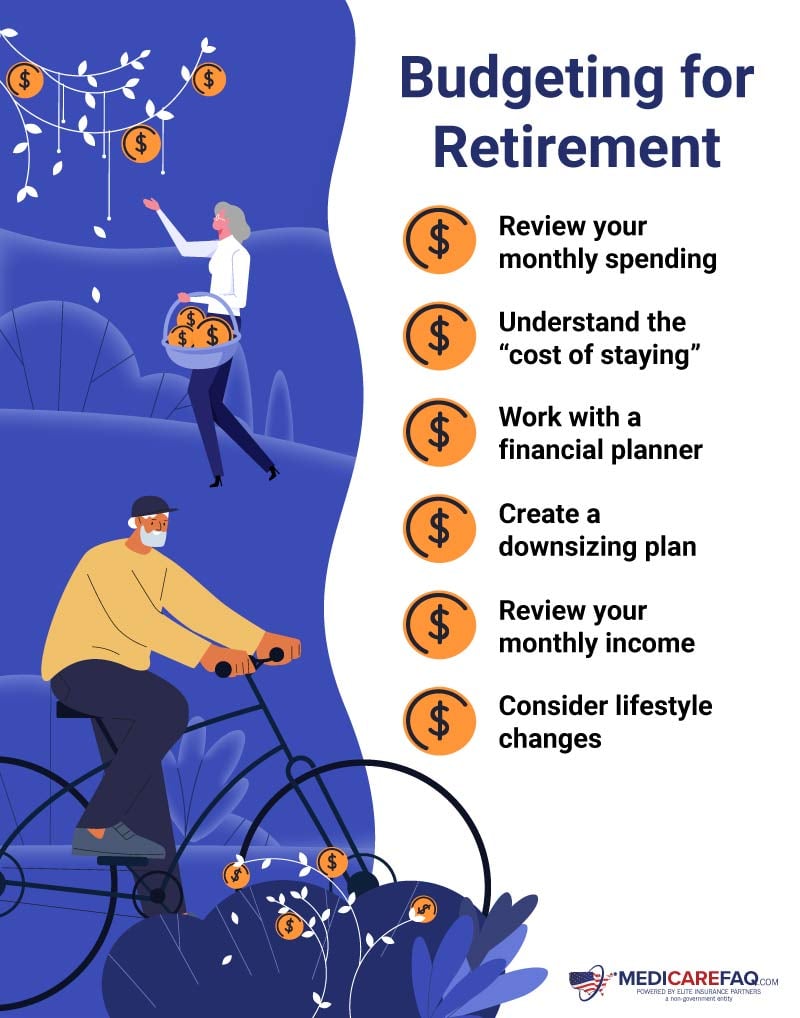
Assessing Your Needs and Goals
Before starting the downsizing process, it's essential to take a step back and assess your needs and goals. What kind of lifestyle do you envision for yourself in retirement? Do you want to travel, pursue hobbies, or spend more time with family and friends? What are your financial priorities, and how will downsizing impact your budget? Consider factors such as location, size, and amenities when thinking about your ideal living situation. For more guidance, you can refer to Retirement Downsizing Tips to help you make informed decisions. It may be helpful to make a list of your must-haves, nice-to-haves, and deal-breakers to refer to throughout the process.
Creating a Downsizing Plan
With a clear understanding of your needs and goals, you can begin creating a downsizing plan. This should include a timeline, budget, and strategy for sorting through your belongings. Start by going room by room, categorizing items into keep, donate, sell, and discard piles. Be ruthless – if you haven't used something in a year, it's likely you won't miss it. Consider enlisting the help of friends or family members to make the process more enjoyable and to get an objective perspective. You may also want to explore professional organizing services or downsizing consultants who can provide expert guidance and support.
Managing the Emotional Aspects of Downsizing
Downsizing can be an emotional and even traumatic experience, especially when it comes to letting go of sentimental items or leaving behind a family home. It's essential to acknowledge and validate these feelings, rather than trying to suppress or deny them. Allow yourself time to grieve and process your emotions, and consider seeking support from loved ones, a therapist, or a support group. Remember that downsizing is a process, and it's okay to take it one step at a time. Focus on the positive aspects of your new lifestyle and the opportunities that lie ahead.
Exploring Downsizing Options
There are many different downsizing options to consider, depending on your needs, preferences, and budget. Some popular choices include: - Downsizing to a smaller home or condo in the same area - Relocating to a new city or state with a lower cost of living - Exploring alternative housing options, such as tiny homes or communal living - Renting rather than buying, to maintain flexibility and freedom Each of these options has its pros and cons, and it's crucial to weigh the advantages and disadvantages before making a decision.
Researching and Visiting Potential Locations
Once you have a sense of your downsizing options, it's time to start researching and visiting potential locations. Look into factors such as cost of living, access to amenities, and quality of life. Talk to locals, read online reviews, and explore neighborhoods to get a feel for the area. Consider factors such as proximity to family and friends, healthcare facilities, and recreational activities. It may also be helpful to rent a place for a short-term trial period to get a sense of what it's like to live there.
Financial Considerations
Downsizing can have significant financial implications, both positive and negative. On the one hand, reducing expenses and freeing up resources can be a huge relief. On the other hand, there may be costs associated with selling a home, buying or renting a new place, and relocating. It's essential to create a comprehensive budget and financial plan, taking into account all the potential expenses and savings. Consider consulting with a financial advisor to get personalized guidance and advice.
Staying Connected and Engaged
One of the biggest concerns for retirees who downsize is the potential loss of social connections and community. However, with a little creativity and effort, it's possible to stay connected and engaged in your new lifestyle. Consider joining local clubs or organizations, volunteering, or taking classes to meet new people and pursue new interests. Technology can also be a great tool for staying in touch with loved ones and maintaining relationships.
Conclusion
Retirement downsizing can be a complex and emotionally challenging process, but with the right mindset and support, it can also be a liberating and empowering experience. By understanding the benefits of downsizing, assessing your needs and goals, and managing the emotional aspects of the process, you can create a fulfilling and sustainable lifestyle in retirement. Remember to stay flexible, be open to new opportunities, and prioritize your physical, emotional, and financial well-being.
FAQs
What are the most significant benefits of downsizing in retirement?
The most significant benefits of downsizing in retirement include reducing expenses, simplifying one's life, and increasing freedom and flexibility.
How do I know if downsizing is right for me?
To determine if downsizing is right for you, consider your lifestyle, financial situation, and personal preferences. Ask yourself if you want to reduce your expenses, simplify your life, and pursue new opportunities.
What are some common mistakes people make when downsizing?
Common mistakes people make when downsizing include not creating a comprehensive plan, holding onto too many possessions, and not considering the emotional aspects of the process.
How can I stay connected and engaged after downsizing?
To stay connected and engaged after downsizing, consider joining local clubs or organizations, volunteering, taking classes, and using technology to stay in touch with loved ones.
What are some tips for managing the emotional aspects of downsizing?
Tips for managing the emotional aspects of downsizing include acknowledging and validating your feelings, seeking support from loved ones or a therapist, and focusing on the positive aspects of your new lifestyle.