
Understanding Character Types
Characters can be broadly categorized into two types: protagonists and antagonists. The protagonist is the main character of the story, often the hero or the one who drives the plot forward. The antagonist, on the other hand, is the character who opposes the protagonist, creating conflict and tension. Understanding these character types is crucial in creating a compelling narrative. A protagonist should be relatable and likable, while an antagonist should be formidable and convincing.
Crafting a Character's Backstory
A character's backstory is essential in shaping their personality, motivations, and actions. It provides context to their behavior and helps explain why they make certain decisions. When crafting a character's backstory, consider their childhood, family, and significant life events. This will help you understand their strengths, weaknesses, and fears. A well-developed backstory can also create opportunities for character growth and development throughout the story.
The Importance of Childhood Experiences
Childhood experiences play a significant role in shaping a character's personality and worldview. Traumatic events, such as the loss of a loved one or bullying, can leave lasting scars and influence their behavior. On the other hand, positive experiences, such as a supportive family or a nurturing environment, can foster a sense of security and confidence. When creating a character's backstory, consider how their childhood experiences have shaped them into the person they are today.
The Impact of Significant Life Events
Significant life events, such as moving to a new country or experiencing a major loss, can also shape a character's backstory. These events can challenge their beliefs, force them to adapt, and create new opportunities for growth. When crafting a character's backstory, consider how these events have impacted their life and influenced their decisions.
Developing a Character's Personality
A character's personality is a vital aspect of their creation. It encompasses their traits, behaviors, and attitudes, making them unique and relatable. When developing a character's personality, consider their values, beliefs, and motivations. What drives them? What are their strengths and weaknesses? A well-crafted personality can make a character more believable and engaging.
Creating a Character's Motivations
A character's motivations are the driving force behind their actions. They can be intrinsic, such as a desire for revenge or a need for validation, or extrinsic, such as a desire for wealth or power. When creating a character's motivations, consider what drives them and how it relates to their backstory and personality.
Exploring a Character's Emotional Depth
A character's emotional depth is essential in creating a believable and relatable character. It involves exploring their emotions, vulnerabilities, and fears. When crafting a character's emotional depth, consider how they respond to different situations and how they interact with other characters.
Building a Character's Appearance
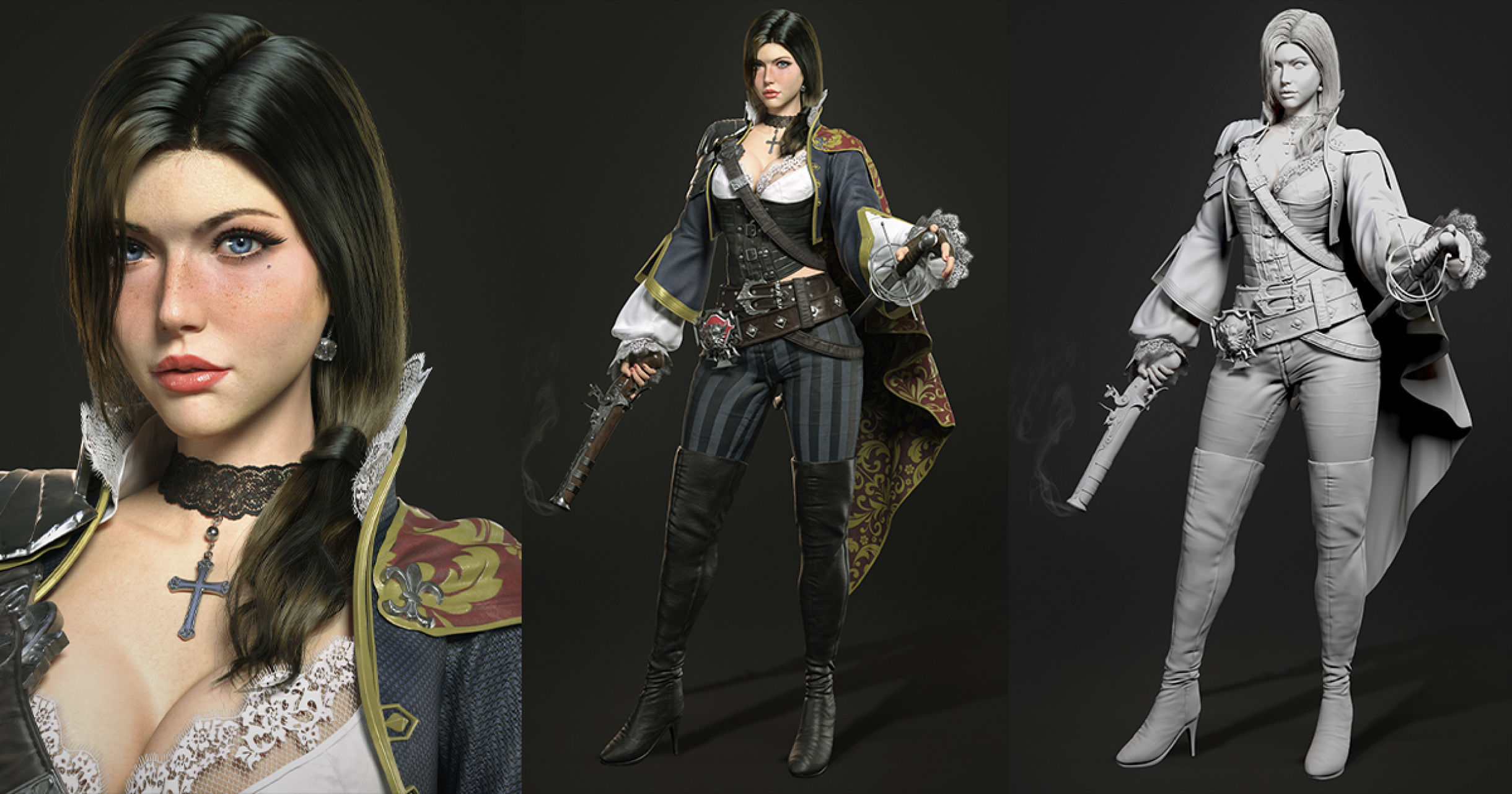
A character's appearance can reveal a lot about their personality, background, and motivations. It can also create a visual representation of their character, making them more memorable and engaging. When building a character's appearance, consider their physical characteristics, such as their height, weight, and facial features. Also, think about their style, fashion sense, and grooming habits.
Creating a Character's Voice
A character's voice is their unique way of expressing themselves through dialogue and narration. It can reveal their personality, background, and motivations, making them more believable and relatable. When creating a character's voice, consider their tone, language, and syntax. Think about how they would express themselves in different situations and how they would interact with other characters.
Bringing a Character to Life
Bringing a character to life involves combining all the aspects of their creation, from their backstory and personality to their appearance and voice. It requires a deep understanding of their motivations, desires, and fears. When bringing a character to life, consider how they would behave in different situations and how they would interact with other characters.
Conclusion
Character creation is a complex and multifaceted process that requires careful consideration of various factors. From their backstory and personality to their appearance and voice, every detail counts. By crafting a believable and engaging character, you can create a compelling narrative that audiences will love. Remember to consider their motivations, desires, and fears, and don't be afraid to add depth and complexity to their character.
The art of storytelling and writing often begins with the process of Character Creation, which is a crucial step in developing a narrative that captivates and engages readers.
FAQs
What is the most important aspect of character creation?
The most important aspect of character creation is crafting a believable and relatable character that audiences can empathize with.
How do I create a character's backstory?
To create a character's backstory, consider their childhood, family, and significant life events. Think about how these experiences have shaped them into the person they are today.
What is the difference between a protagonist and an antagonist?
A protagonist is the main character of the story, often the hero or the one who drives the plot forward. An antagonist, on the other hand, is the character who opposes the protagonist, creating conflict and tension.
How do I develop a character's personality?
To develop a character's personality, consider their values, beliefs, and motivations. Think about what drives them, what are their strengths and weaknesses, and how they interact with other characters.
Can I change a character's traits or backstory during the story?
Yes, you can change a character's traits or backstory during the story, but it's essential to be consistent and ensure that the changes make sense in the context of the narrative.
How do I make my character more believable and relatable?
To make your character more believable and relatable, consider adding depth and complexity to their character. Give them unique traits, motivations, and desires, and make sure they behave consistently throughout the story.