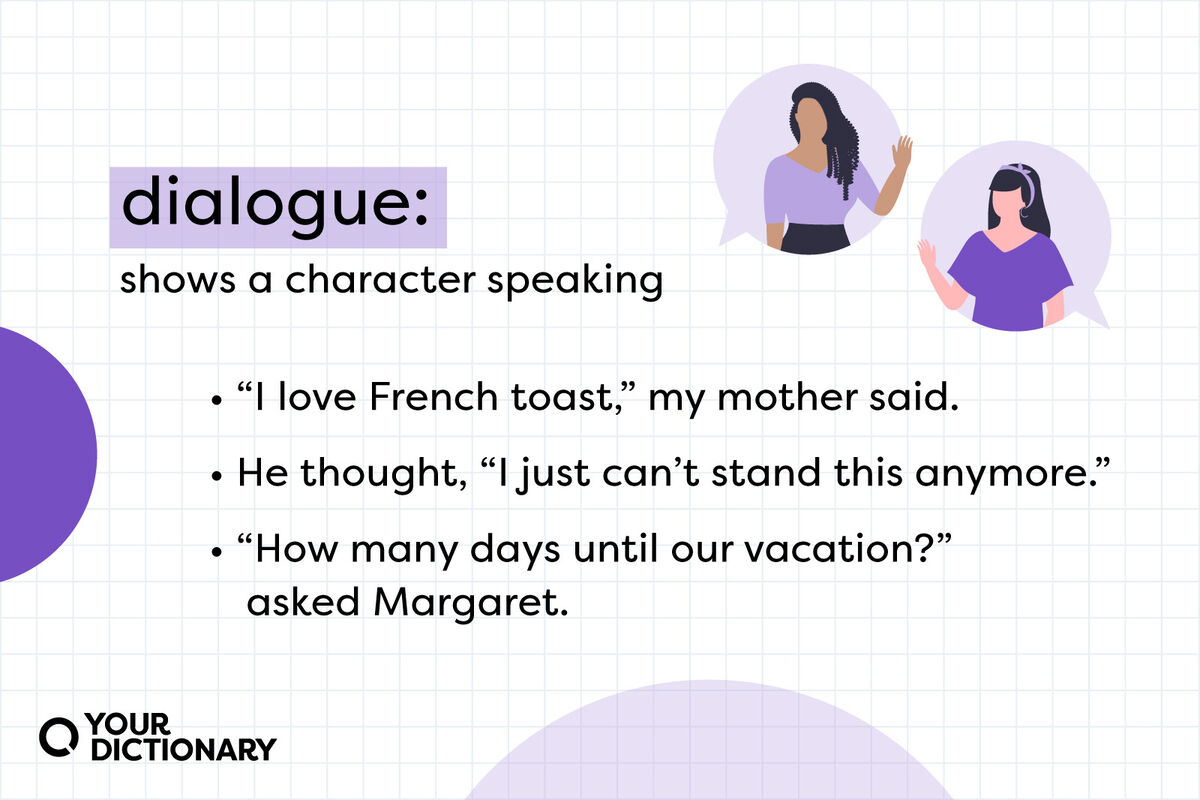
Character Dialogue
Understanding Character Dialogue Character dialogue is the conversation between characters in a story. It's not just about the words they say, but also about the tone, pitch, and body language that accompanies their speech. Good dialogue should sound natural and authentic, like a real conversation. It should also reveal character traits, backstory, and motivations, making the characters more relatable
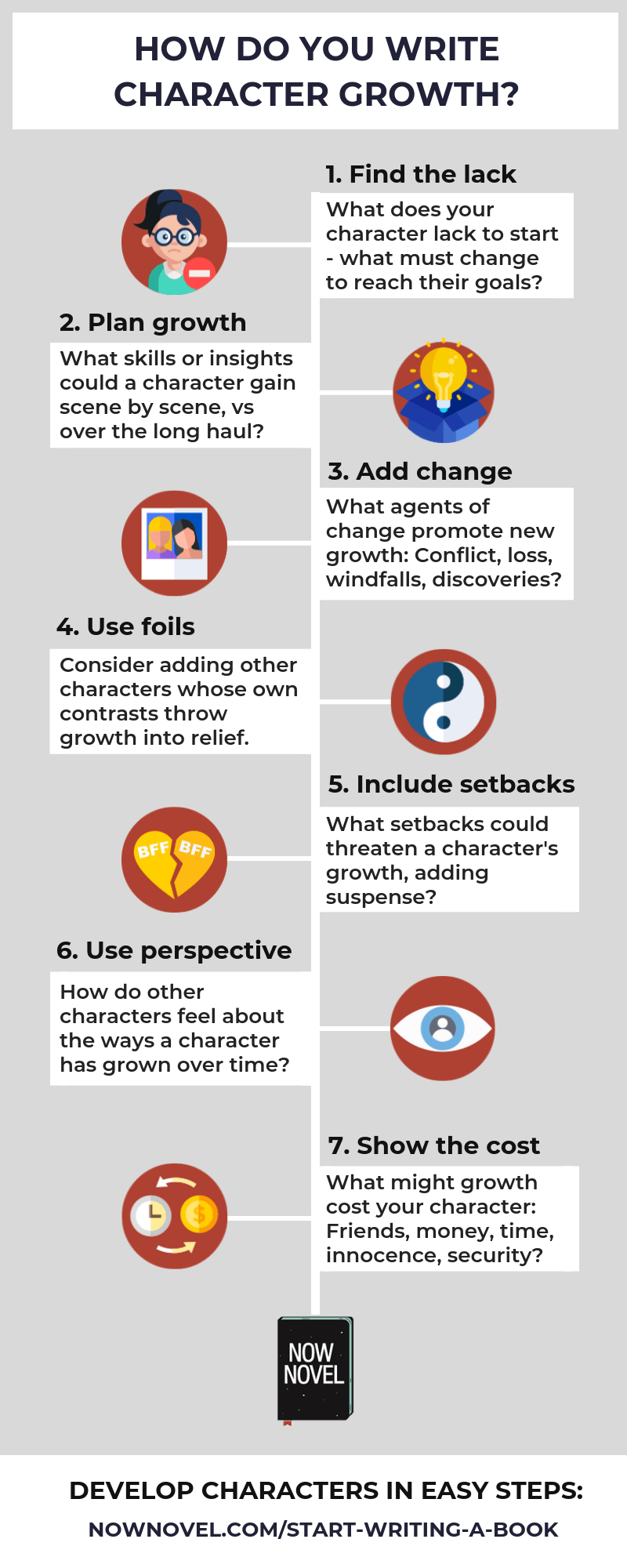
Character Growth
Understanding Character Growth Character growth is a lifelong journey that involves developing and refining one's values, beliefs, and behaviors. It requires a willingness to learn from experiences, challenges, and feedback, and to adapt to new situations and circumstances. Character growth involves developing emotional intelligence, which enables individuals to recognize and understand their emotions, as well as those of others.
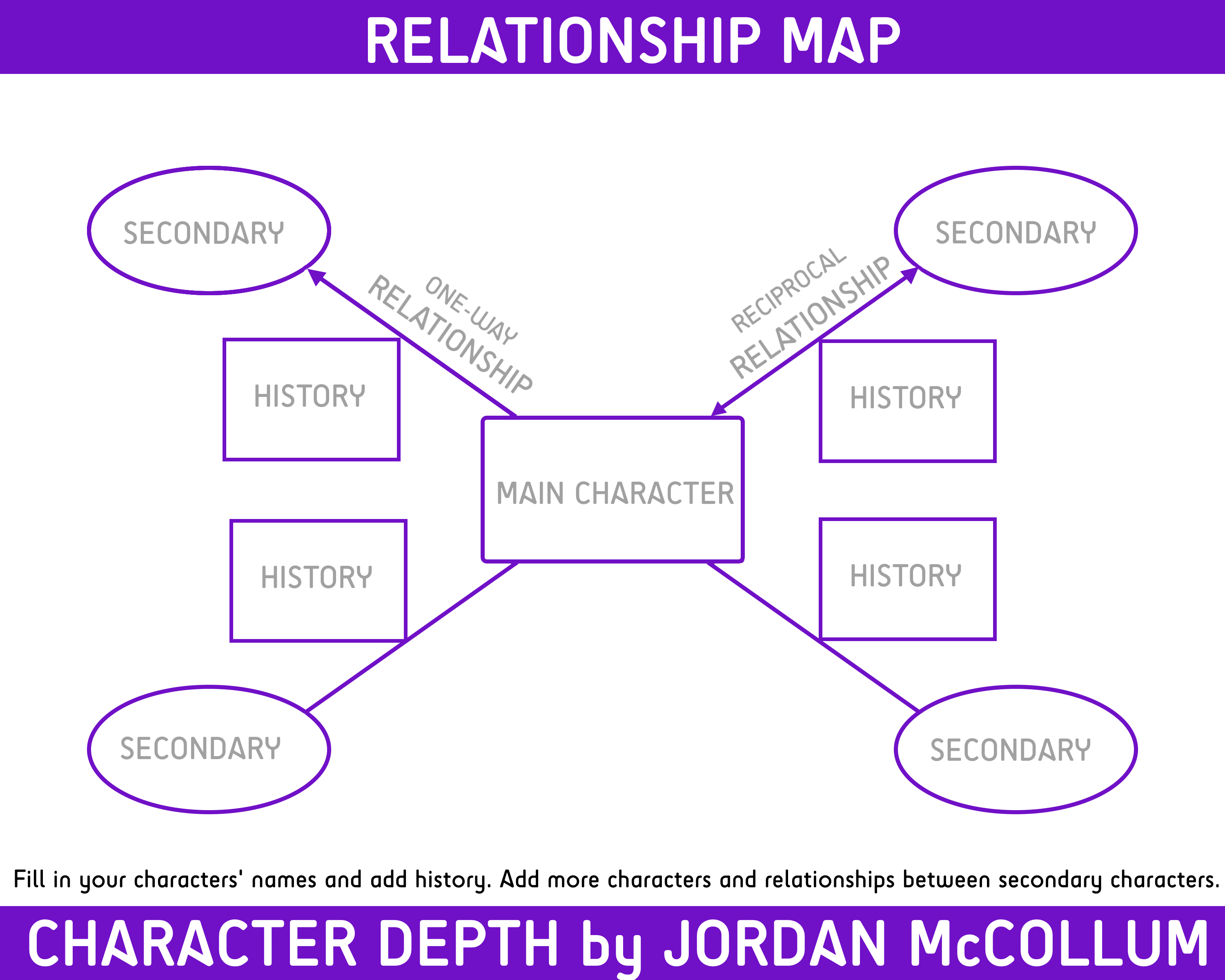
Character Depth
Understanding Character Depth Character depth is not just about giving a character a detailed description or a compelling backstory. It is about creating a character that feels authentic and nuanced, with a unique voice, perspective, and set of experiences. A character with depth is one that is multidimensional, with both positive and negative traits, and is capable of growth
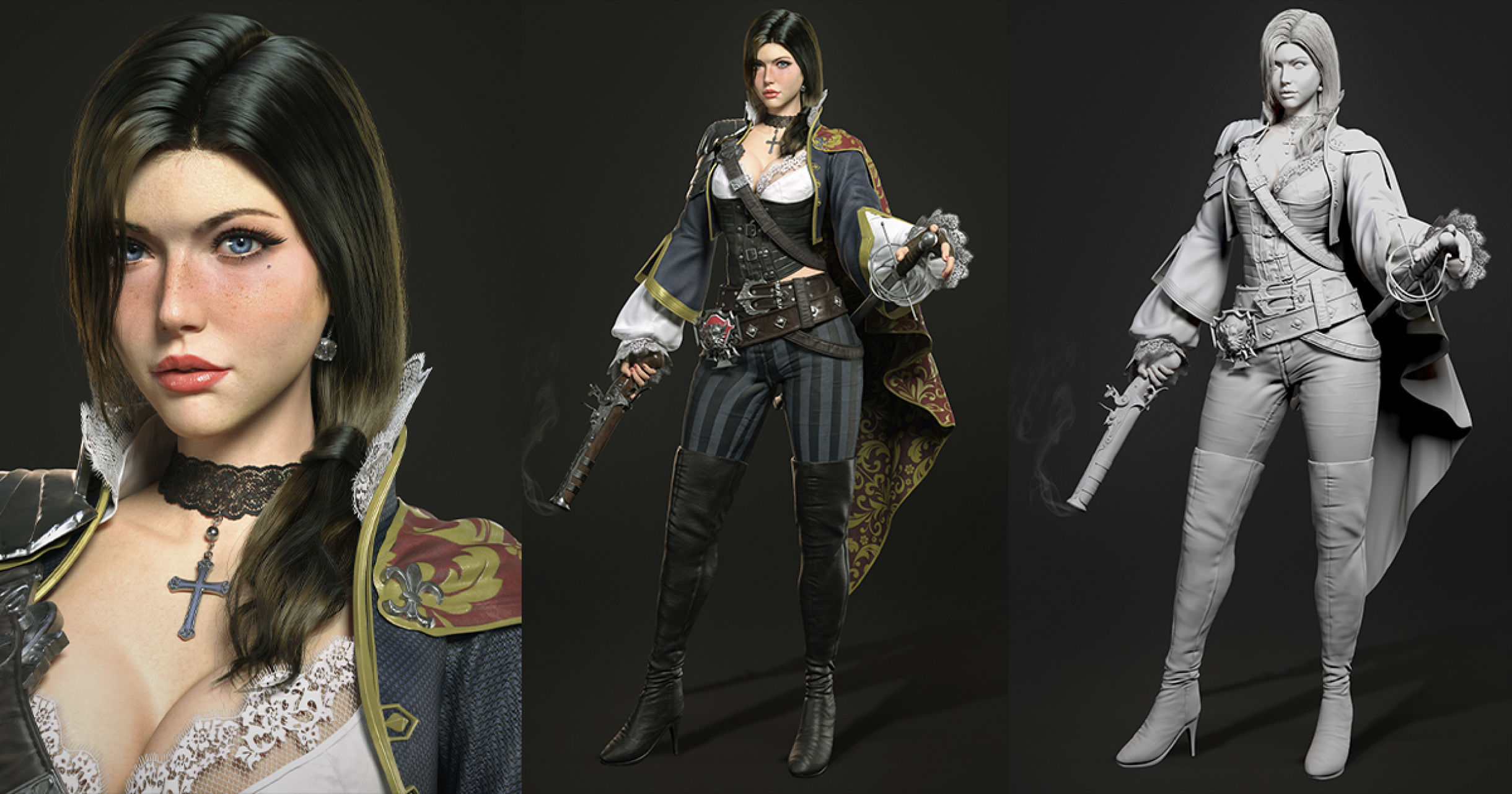
Character Creation
Understanding Character Types Characters can be broadly categorized into two types: protagonists and antagonists. The protagonist is the main character of the story, often the hero or the one who drives the plot forward. The antagonist, on the other hand, is the character who opposes the protagonist, creating conflict and tension. Understanding these character types is crucial in creating