
Understanding Character Depth
Character depth is not just about giving a character a detailed description or a compelling backstory. It is about creating a character that feels authentic and nuanced, with a unique voice, perspective, and set of experiences. A character with depth is one that is multidimensional, with both positive and negative traits, and is capable of growth and change. Character depth is also about creating a character that is consistent in their actions and behaviors, yet also surprising and unpredictable at times.
Creating Well-Rounded Characters
To create well-rounded characters, writers need to consider several factors, including their character's personality, background, motivations, and conflicts. A character's personality refers to their traits, attitudes, and behaviors, while their background refers to their history, culture, and experiences. A character's motivations refer to their goals, desires, and drives, while their conflicts refer to the challenges and obstacles they face. By considering these factors, writers can create characters that are rich, complex, and believable.
The Importance of Backstory
A character's backstory is essential in creating depth and richness. Backstory refers to the events, experiences, and relationships that have shaped a character's life and personality. It can include their childhood, family, education, and significant life events. A well-developed backstory can help explain a character's motivations, behaviors, and relationships, and can also provide opportunities for character growth and development. However, it is essential to balance backstory with the present narrative, avoiding info dumping and ensuring that the backstory serves a purpose in the story.
The Role of Dialogue and Action
Dialogue and action are also crucial in creating character depth. Dialogue can reveal a character's personality, background, and motivations, while action can demonstrate their traits, skills, and values. Through dialogue and action, writers can show a character's strengths and weaknesses, their relationships with others, and their emotional depth. For example, a character's dialogue can reveal their sense of humor, their values, and their attitudes towards others. Similarly, a character's actions can demonstrate their courage, loyalty, or compassion.
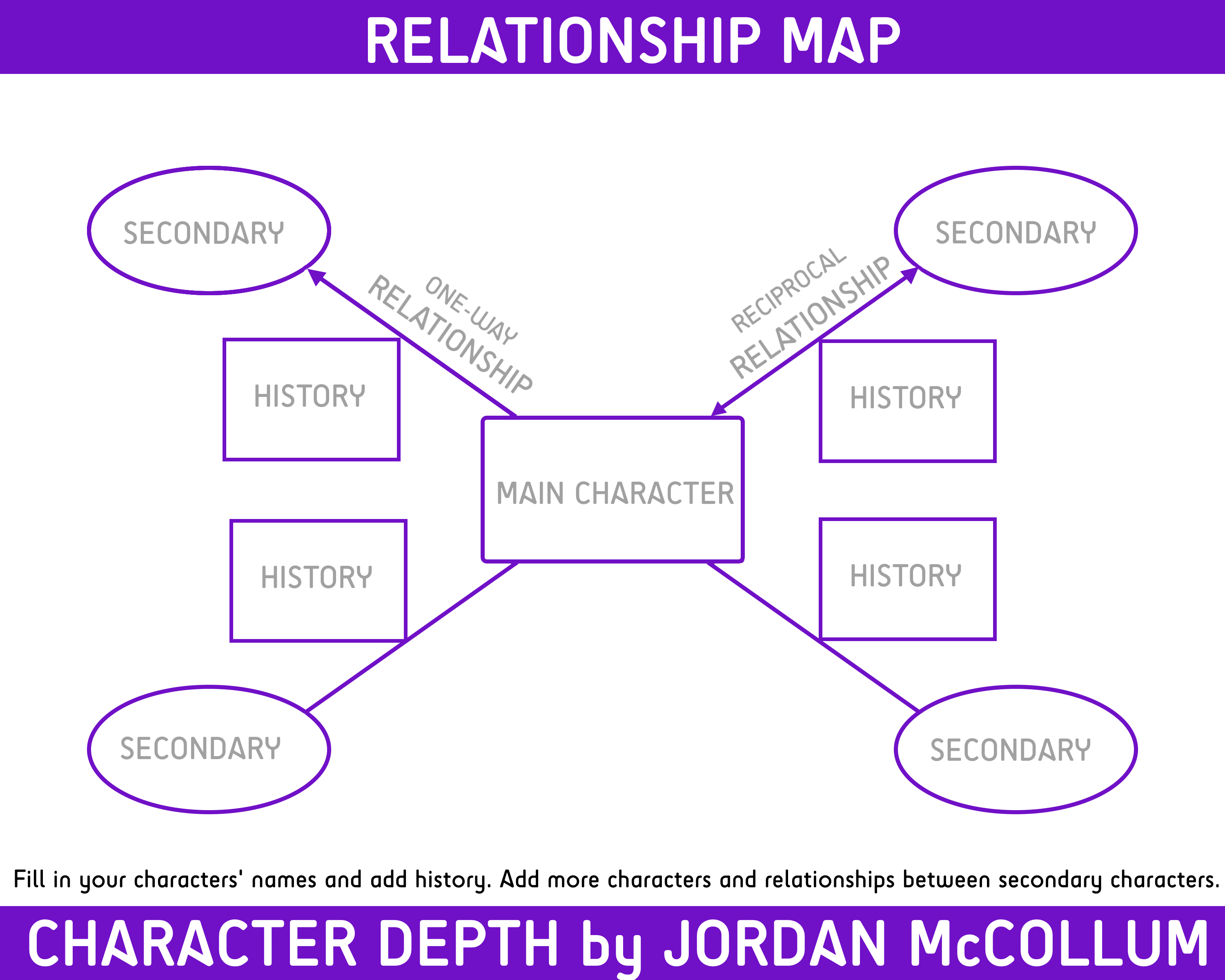
Developing Character Relationships
Character relationships are also essential in creating character depth. Relationships can reveal a character's personality, values, and motivations, and can also create opportunities for character growth and development. There are several types of character relationships, including romantic relationships, friendships, family relationships, and rivalries. Each type of relationship can provide a unique perspective on a character's life and personality, and can also create conflicts and challenges that can drive the plot forward.
The Importance of Conflict
Conflict is a crucial element in creating character depth. Conflict can refer to internal struggles, such as fears, doubts, and desires, or external challenges, such as obstacles, opponents, and setbacks. Conflict can drive the plot forward, create tension and suspense, and also reveal a character's strengths and weaknesses. Through conflict, writers can show a character's resilience, adaptability, and determination, and can also create opportunities for character growth and development.
Overcoming Character Depth Challenges
Creating character depth can be challenging, especially for new writers. One of the common challenges is creating characters that are too perfect or too flawed. A character that is too perfect can be boring and unrealistic, while a character that is too flawed can be unrelatable and unsympathetic. Another challenge is creating characters that are consistent in their actions and behaviors, yet also surprising and unpredictable at times. To overcome these challenges, writers need to be patient, observant, and willing to take risks and experiment with different techniques and approaches.
Character Depth in Different Genres
Character depth can be achieved in different genres, including fiction, nonfiction, and poetry. In fiction, Character Depth is essential in creating a believable and immersive story. In nonfiction, character depth can be used to create a compelling and engaging narrative. In poetry, character depth can be used to create a rich and nuanced exploration of the human experience. Regardless of the genre, character depth is essential in creating a story that resonates with readers and leaves a lasting impression.
Conclusion
Character depth is a crucial element in creating a compelling and engaging story. It is the layering of traits, motivations, and experiences that make a character feel realistic and relatable to the audience. By considering a character's personality, background, motivations, and conflicts, writers can create characters that are rich, complex, and believable. Through dialogue, action, description, and backstory, writers can show a character's strengths and weaknesses, their relationships with others, and their emotional depth. By overcoming character depth challenges and experimenting with different techniques and approaches, writers can create characters that are memorable, relatable, and inspiring.
FAQs
What is character depth?
Character depth refers to the complexity and richness of a character's personality, background, and emotions in a story.
How can I create character depth?
To create character depth, consider your character's personality, background, motivations, and conflicts, and use techniques such as dialogue, action, description, and backstory to show their strengths and weaknesses, relationships, and emotional depth.
What is the importance of backstory in character depth?
Backstory is essential in creating character depth, as it can explain a character's motivations, behaviors, and relationships, and provide opportunities for character growth and development.
Can character depth be achieved in different genres?
Yes, character depth can be achieved in different genres, including fiction, nonfiction, and poetry, and is essential in creating a story that resonates with readers and leaves a lasting impression.
How can I overcome character depth challenges?
To overcome character depth challenges, be patient, observant, and willing to take risks and experiment with different techniques and approaches, and consider seeking feedback from others to help you create well-rounded and believable characters.