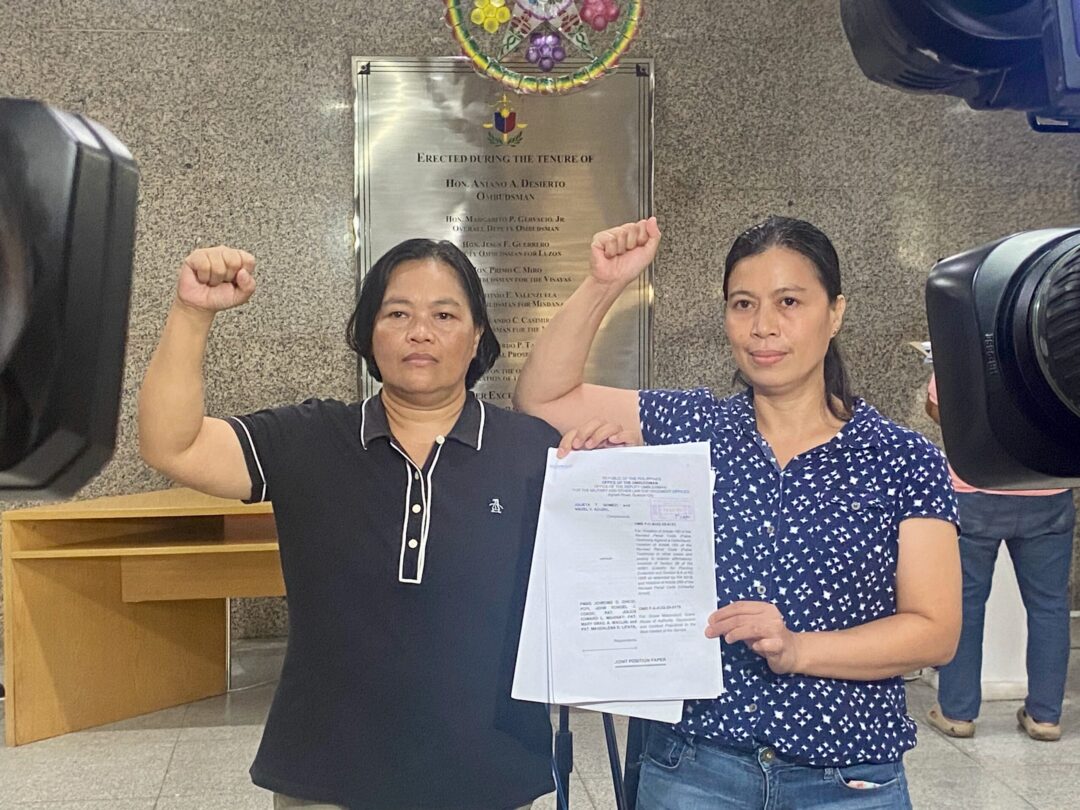
IP leaders condemn Ombudsman’s dismissal of illegal arrest cases vs police
“The dismissal of the countercharges against the police is unacceptable and unjust."

“The dismissal of the countercharges against the police is unacceptable and unjust."
We are really delegitimizing the IMF-WB.

“These reported threats are grave and unacceptable.”

“The Court will continue to fully discharge its mandate, with independence and impartiality."

Nasa utak at puso pa rin ng maraming estudyante sa UP Diliman ang pagsisilbi sa bayan.

“For me, justice and healing mean holding accountable those who carried out the killings, the perpetrators, those who gave the orders, and the highest-ranking officials behind the killings."

Mabasa’s detention is part of a broader pattern of attacks against migrants seeking safety and a better life in the US.

“Energy transition should be an opportunity to develop our self-sufficiency in manufacturing, engineering, and research."

Zarate stressed that the ultimate stakeholder in this accountability mechanism is the Filipino people, as they did not elect public officials to have unexplained wealth, questionable expenditure of funds, or to issue threats.

“It is deeply concerning that a legitimate educational activity and those who participated in it have been subjected to red-tagging.”

“They should return the land they borrowed.”

"Our primary call remains a salary increase since our GDP grew by four percent, so we are expecting that wages should also be increased."

"His legacy lives on in the continuing struggle to free farmers from landlessness."

“What the 93rd Infantry Battalion did is equal to hostage-taking,"

"He was instead confronted by a certain Simon who later grabbed him by the collar, hit him with a piece of chopped wood, and threatened that he will be hanged or electrocuted if he does not cooperate with them."

Transportation costs are rising, but household incomes do not necessarily rise at the same pace.
