Balik-Tanaw | Ang radikal na pagpapatawad at ang hustisyang panlipunan
“Panginoon, ilang beses ko po ba dapat patawarin ang aking kapatid na nagkakasala sa akin? Hanggang pitong beses po ba?”

ADVERTISEMENT

“Panginoon, ilang beses ko po ba dapat patawarin ang aking kapatid na nagkakasala sa akin? Hanggang pitong beses po ba?”

Women continue to face discrimination, violence, abuse, and the denial of their dignity. Patriarchy has become so deeply woven into our society and even our churches, that it is sometimes treated as normal.
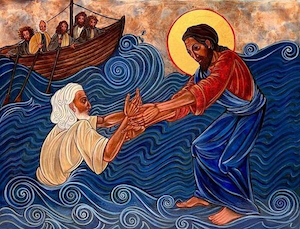
Kung ayaw nating habang-buhay na mabuhay sa takot sa mga multo ng ating lipunan, kailangan nating manatili kay Hesus. Siya ang nagtagumpay laban sa kasamaan, sa kawalang-katarungan, at maging sa kamatayan.

Kapag binabasa natin ang talinhaga ng manghahasik, madalas na nakatuon ang ating pansin sa iba’t ibang uri ng lupa. Ngunit kung babalik tayo sa mismong tagpo ng Ebanghelyo, may isang taong hindi natin gaanong napapansin—ang manghahasik. Siya ang unang lumabas. Siya ang unang nagpagod. Siya ang unang umasa.

In this fast-paced society where many of us easily experience burnout, exhaustion, weariness and fatigue, we deeply long for rest.

The Feast of Corpus Christi invites us to reflect not only on what we receive at the altar but also on how that gift transforms the way we live in the world.

Sa Ika-anim na Linggo ng Pasko ng Pagkabuhay, muling bumabalik sa atin ang isang simpleng tanong na may mabigat na kahulugan: Paano ba natin minamahal si Kristo?

?In healing and science, the “greater works” are manifested when the human community collaborates to cure diseases, discover ways to food security, and innovate technologies to heal the planet. Jesus’ healing was local; modern “greater works” can be global.

Ang pagtanggap sa panauhin ay sadyang nakakabagabag kundi man nakakaligalig. Subalit pinapapaalala sa atin ng linggong ito ang dalawang bagay sa pakikipag -ugnayan natin kay Hesus. Una, hindi natin siya panauhin para maligalig tayo, ikalawa, siya ang ating pagkaing nagbibigay buhay.

Jesus led the scholar not with an expected Scriptural provision. Instead of offering a legal definition, Jesus tells a story. Jesus, who was so immersed with people, must have known so many stories from the ground. So he narrated an anecdote to answer the scholar.

When we began our Novitiate, a Polish Redemptorist priest guided our group in a weeklong retreat. He was, technically speaking, our retreat master. But I can never forget what he said to us right before he presided the opening Mass: “The Holy Spirit is our ‘retreat master.’ In fact, the Holy Spirit is the true Master of your Novitiate journey.”

On a sweltering Holy Wednesday morning, under the cruel scorching heat of the sun, this was sacred time indeed to present a creative portrayal of the Passion and Death of Jesus on the streets of Manila. It was not your traditional Way of the Cross. It had a disturbing message. Its feel, unsettling. Its purpose, to confound the watcher. It was another way of presenting the Filipino people’s suffering. This multi-sectoral gathering represented by laborers, teachers, health workers, the urban poor community leaders and members and other lay church workers have given space for a presentation of a profound “people’s interpretation” of the Gospel’s telling of the Passion and Death of Jesus. The “Kalbaryo ng Maralita” (Calvary of the Impoverished and Marginalized) is a new way for deeply reflecting on the Filipino people’s situation.

As we approach Holy Week, the readings for this Sunday invite us to reflect on renewal and justice. In our country, where the wounds from extrajudicial killings (EJK) are still fresh and legal events continue to stir strong emotions, these readings remind us of the importance of both justice and hope.

For so long we have shielded and protected David and Eli from what happened with their “lost” sons. We still do so with today’s Davids and Elis.

In the account of the Transfiguration in Luke 9:28-36, there are numerous elements that invite deeper reflection. Often, discussions center on the events leading up to the transfiguration, the selection of only three disciples from the twelve to accompany Jesus, the significance of Moses and Elija’s presence, and the symbolism of the clouds. However, what is frequently overlooked is the transformation of Jesus’ face and clothing, which serves as the true indicator of the Transfiguration.

Today, as we face an election that could shape our democracy, we must not remain passive observers. The call of Christ is to descend from our comfort zones and engage in the realities of the suffering and struggling masses. We cannot afford to be apathetic.

In the First Reading from Isaiah (6:1-8), the prophet Isaiah has a powerful vision of God’s holiness. He sees the Lord in all His glory and is overwhelmed by His presence. Isaiah realizes his own unworthiness and sins, but instead of being turned away, God purifies him and calls him to be His messenger. Isaiah’s response is simple yet profound: “Here am I, send me.”
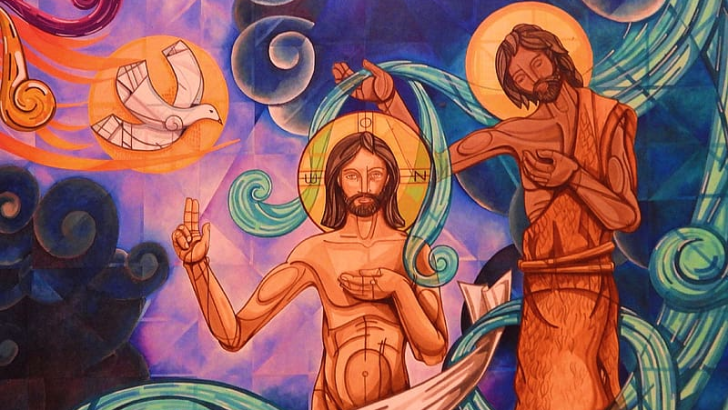
The Baptism of the Lord is more than a thing to remember or a period in Jesus’ life – it is a powerful reminder to reflect on how His baptism shapes our very being. It invites us to examine our purpose as the baptized. It is challenging us to step beyond comfort , and embody a solidarity that responds to the cries of a world yearning for justice, peace, and hope.

When the album Folklore was released on July 2020, it was just months after Covid 19 affected the entire world. Taylor Swift isolated herself in those days, but aloneness proved to be fertile ground for a revelation. One song stood out among those included in the album. In this poetic, lyrical piece, Swift “empathizes with doctors and nurses, who served the affected despite their harrowing work, and mental trauma they have to experience while handling the loss of human lives.”

Our Gospel reading this first Sunday of Advent is intriguing. How can we connect this to our preparation for the Messiah’s birthday on Christmas, and to our preparations for the second coming–the End of Days, as some people believe it will be?
A community of readers and supporters that help us sustain our operations through microdonations for as low as $1.