
ECOWAS unveils $25 billion rice programme, targets 2035 self-sufficiency
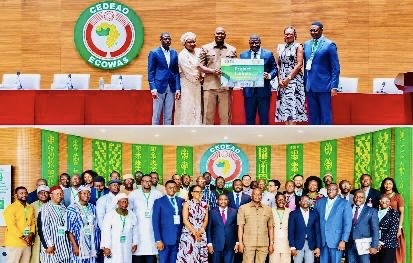
The Economic Community of West African States (ECOWAS), on Wednesday in Abuja, unveiled a 25-billion-dollar regional rice development programme, targeting 100 per cent self-sufficiency by 2035.
ECOWAS Commissioner for Economic Affairs and Agriculture, Dehpue Zuo, while unveiling the initiative, described it as a major milestone towards regional food security and sustainable rice production.
The programme, known as the Regional Rice Resilient Value Chains Development Programme (REWARD), seeks to boost rice production, strengthen food security and reduce West Africa’s dependence on imported rice.
Mr Zuo disclosed that the programme had an overall investment portfolio of approximately 25 billion dollars, with 1.5 billion dollars in firm commitments mobilised at a regional financing conference in Accra.
He said the funds would support farmers, businesses, agricultural production and the development of resilient rice value chains across participating countries.
According to him, the event also marked the establishment of a steering committee to provide strategic oversight for its implementation between 2025 and 2035.
Mr Zuo urged governments, development partners, private investors and other stakeholders to demonstrate collective commitment towards achieving the sub-region’s rice self-sufficiency ambition.
Earlier, the coordinator of the ECOWAS Rice Agenda and REWARD Project, Boladale Adebowale, said rice remained a strategic staple crop whose development was critical to West Africa’s food security.
Mr Adebowale disclosed that the region currently achieved approximately 60 per cent rice self-sufficiency, with REWARD targeting complete self-sufficiency by 2035.
He explained that West Africa would need to produce approximately 35 million metric tonnes of rice to satisfy projected consumption requirements.
He stressed that population growth made increased agricultural productivity, expanded production capacity and improved value-chain efficiency imperative.
Mr Adebowale said the programme would prioritise a more productive and competitive rice sector through improved processing, marketing systems and increased trade among West African countries.
He also highlighted the establishment of the ECOWAS Rice Observatory as a mechanism for coordinating interventions, investments and activities to maximise impact across the regional rice sector.
According to him, the 1.5 billion dollars earlier mobilised at the Accra Regional Rice Roundtable demonstrated growing commitment by development partners and private-sector investors.
On implementation, Mr Adebowale identified Côte d’Ivoire, Guinea-Bissau, The Gambia, Mali and Senegal as the first group of participating countries.
He said other ECOWAS member states would join the programme in subsequent phases, with Nigeria expected to participate in the next phase.
The programme brought together government representatives, development partners, agricultural experts and private-sector stakeholders.
The event also featured contributions from regional and international development institutions, reflecting the programme’s broad partnership framework.
Participants included the ECOWAS Director of Agriculture and Rural Development, Madadozi Tezike, and the Director-General of AfricaRice, Baboucarr Manneh, who was represented.
Also represented was the African Development Bank, through its Vice-President, Abdul Kamara.
The REWARD programme is expected to stimulate agricultural investment, strengthen production and processing capacities, improve market access and deepen regional cooperation.
Beyond reducing rice imports, the initiative is expected to create opportunities for farmers, agribusinesses and other value-chain operators while strengthening West Africa’s resilience against food supply disruptions.
Achieving the 2035 target, however, will depend on sustained financing, effective implementation, improved agricultural technologies and coordinated policies across member states.
(NAN)

We have recently deactivated our website's comment provider in favour of other channels of distribution and commentary. We encourage you to join the conversation on our stories via our Facebook, Twitter and other social media pages.

More from Peoples Gazette

States
Independence: NBA urges Nigerians to expect better future
The NBA said that ordinary Nigerians should be deriving benefit from the subsidy removal rather than hardship.

Agriculture
FG tasks ECOWAS on leveraging financing strategies for agroecology
The federal government has urged stakeholders in the agriculture and finance sectors in the West Africa region to leverage financing strategies to enhance agroecology practices

Politics
Katsina youths pledge to deliver over 2 million votes to Atiku
“Katsina State is Atiku’s political base because it is his second home.”

Heading 4
115 million Nigerians benefiting from Gavi’s solarisation of 371 health facilities
The organisation stated that solarisation provides clean, reliable and sustainable energy to health facilities.
Hot news Home top
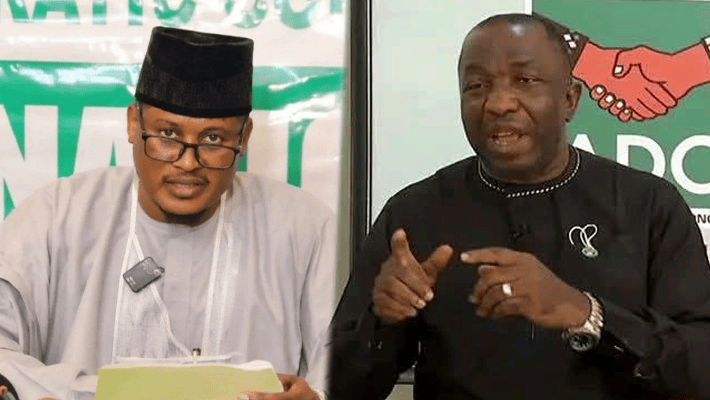
Bala used to beg for transport fare to attend ADC meetings; after going to court, he bought three bulletproof SUVs: Nwosu
According to him, Mr Gombe’s lifestyle changed after the legal dispute began.

States
NYSC members in Oyo receive October allowance after payment delay
The NYSC had attributed the delay to a technical glitch.

Heading 5
Ogun: Yayi pledges 24-hour power supply, infrastructure projects in Abeokuta
The CDC chairman described Mr Adeola as an experienced politician with the capacity to lead the state.
Education
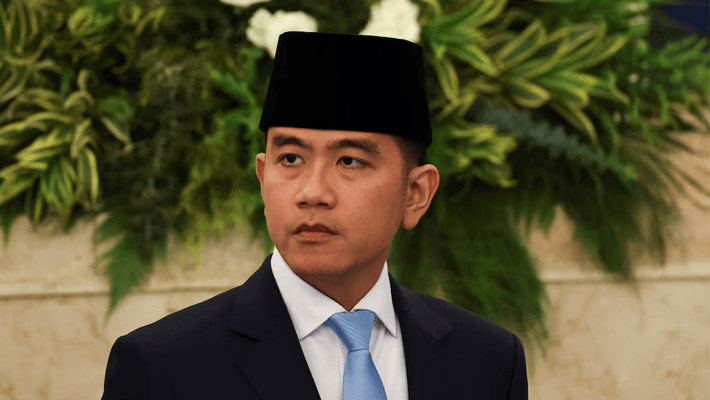
Indonesia’s VP considers resignation over education qualification scandal
Mr Gibran, 39, is the son of former Indonesian President Joko Widodo.
Lagos
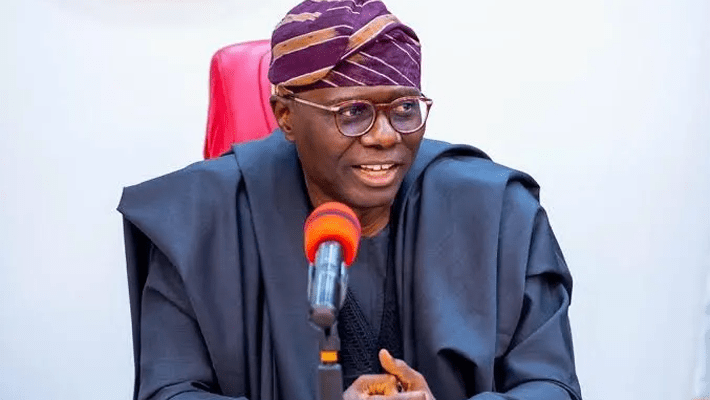
Lagos targets additional 2,000MW electricity supply by March 2027
Mr Sanwo-Olu said reliable electricity remained fundamental to economic growth.


